 Steven Millward · · 5 min read
7 of the biggest roadblocks Uber has hit in Asia so far this year
We’re over half way through the year, and it’s now clear that it’s going to be a rough ride for Uber. Across Asia, the US-based startup is this year facing new rivals, new legal hurdles, and all kinds of other roadblocks.
Uber first entered Asia via Singapore in October 2012. It’s now far from the easy pickings and the smooth motoring of those early days.
Here are seven huge challenges that Uber has faced in Asia this year:
1. Major new rivals
Before we even mention things like regulatory tussles, note that Uber now has more homegrown rivals than ever across Asia. Startups like GrabTaxi and EasyTaxi have for years been making taxis easier to pin down in numerous countries across the continent, but now several new apps are emerging that go after Uber much more directly, taking on core Uber private car services like UberBlack and UberX.
GrabCar, from the makers of GrabTaxi, is the most ambitious of the new challengers in terms of geographic scope – and venture capital muscle. The Malaysia-based startup got US$250 million in VC funding at the end of last year (a record for a Southeast Asian startup); in April it emerged that a big chunk of that is being ploughed into an ambitious R&D center and a driver recruitment program to ensure the local startup doesn’t lose the platform battle to its American rival.
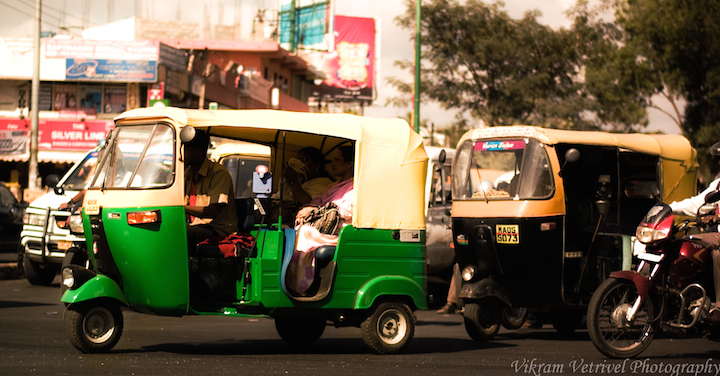
In India, both Uber and homegrown Ola offer “auto rickshaw” rides in addition to four-wheel options (image by Vikram Vetrivel)
Over in India, local startup Ola is expanding aggressively with hundreds of millions of dollars in VC funding, growing across taxis, private cars, and even the country’s ubiquitous motorized rickshaws. Uber fired back earlier this week by launching in seven more Indian cities, taking its tally to 18 cities covered. That’s second only to the US.
Meanwhile in Japan, the popular messaging app Line started the year by rolling out its latest spin-off web service – Line Taxi. That was initially limited to Tokyo, but by April it had expanded to cover more than 90 Japanese cities.
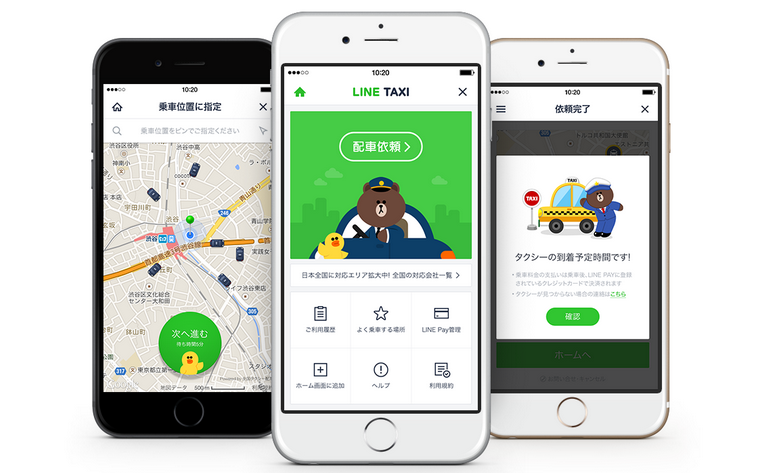
The Line Taxi service.
Japan is one of the few Asian countries where Uber ties up with licensed cabbies as well as private car drivers. It offers UberTaxi and UberTaxiLux in Tokyo alongside its UberBlack service.
2. Seoul blues
Alongside new competitors, Uber has attracted a lot of attention from regulators so far this year. Its biggest fail in the region is in South Korea.
3. China raids
4. China protests
5. Dodgy numbers, fake passengers?
6. Slowly getting back up to speed in India
7. Mounting pressure in Indonesia





Stay updated on the go with our mobile app.
Get latest insights with smoother, more personalized experience through TIA mobile app.










📅 Upcoming Events
22 October 2026
Payoneer x CSPN Summit 2026