Miguel Cordon · · 2 min read
China’s Didi in talks to enter the Philippines through local tie-up
Update (November 5, 12:00 pm): This article was updated to include a response from Didi.
Chinese ride-hailing giant Didi Chuxing is in talks to enter the Philippines, a market dominated by Singapore-based Grab, the Philippine Daily Inquirer reported on Monday.
However, a Didi spokesperson later told Tech in Asia that the company has no plans to expand into the Philippines.
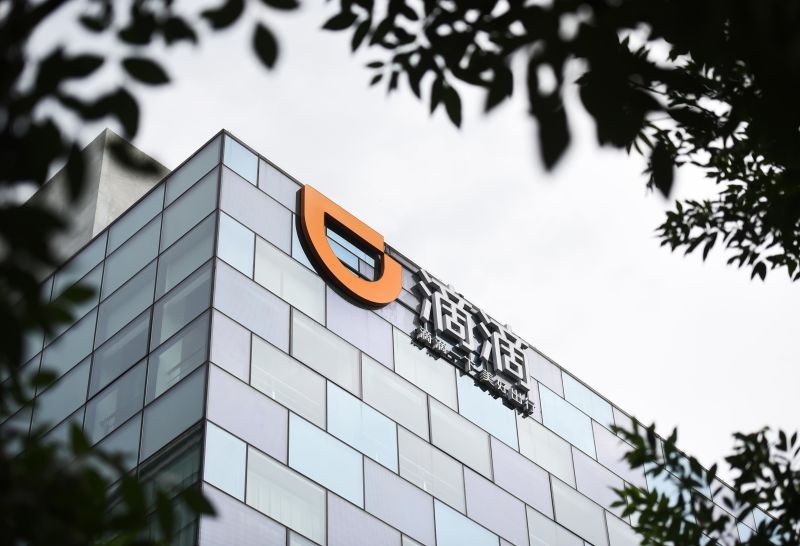
Didi’s Beijing headquarters / Photo credit: Didi Chuxing
Didi’s entry in the archipelago will potentially bring down prices and open up more options for consumers, said politician Luis “Chavit” Singson, who confirmed ongoing negotiations between Didi and U-Hop Transportation Network Vehicle System, one of the 10 transport network companies (TNCs) allowed to operate in the Philippines.
“We want to break the monopoly of Grab,” Singson, who owns U-Hop said in an interview. “We think this will help Filipinos.” According to the Philippine Daily Inquirer report, Grab Philippines has an estimated 90% market share in the country’s ride-hailing space.
The politician also said that the ride-sharing opportunity was significant amid commuters’ complaints over surging Grab fares after it acquired Uber’s Southeast Asian operations.
Similarly, Didi bolstered its top position in China with the acquisition of Uber’s operations in the country.
U-Hop, which counts boxing champion Floyd Mayweather Jr. as a partner, is renewing its accreditation before the Philippines’ Land Transportation Franchising and Regulatory Board (LTFRB), which issued a moratorium on the issuance of new TNC licenses last year.
Officials from Didi and the LTFRB did not immediately respond to requests for comment, according to the Philippine Daily Inquirer. Singson did not disclose any further information on his company’s discussions with Didi.
Another regional ride-hailing player looking to enter the Philippine market is Indonesian unicorn Gojek. In January, it filed an application to operate in the country, but it was denied by the LTFRB due to foreign owenership issues.
Later in March, the Philippine regulator again rejected Gojek’s entry into the Philippines, reiterating that ride-hailing companies in the country must be at least 60% Filipino-owned.
Editing by Charmaine de Lazo
(And yes, we’re serious about ethics and transparency. More information here.)





Stay updated on the go with our mobile app.
Get latest insights with smoother, more personalized experience through TIA mobile app.