 Eva Xiao · · 7 min read
Cheap electricity made China the king of bitcoin mining. The government’s stepping in.
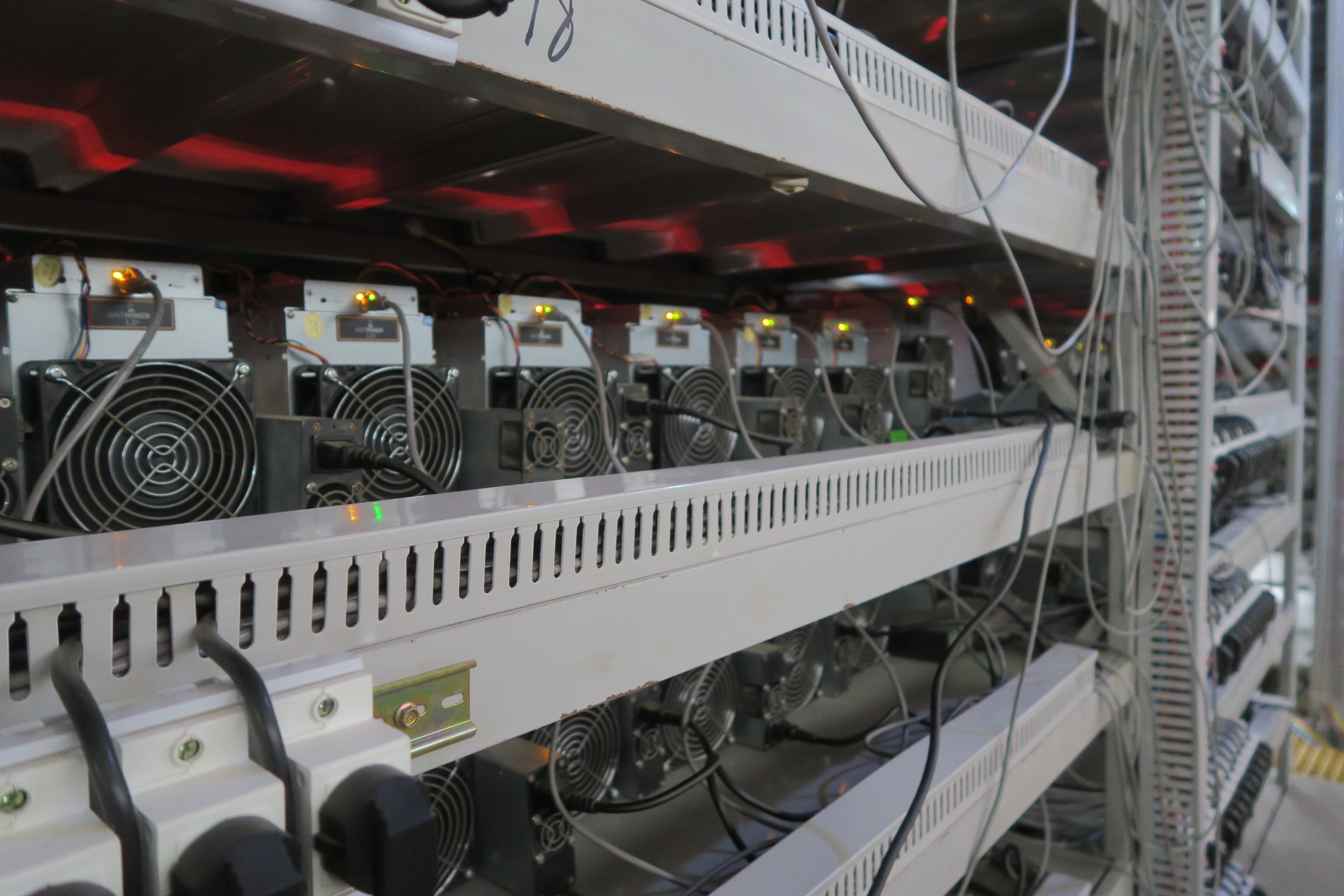
Bitmain’s Ordos facility mines bitcoin and litecoin, another digital currency. Photo credit: Tech in Asia.
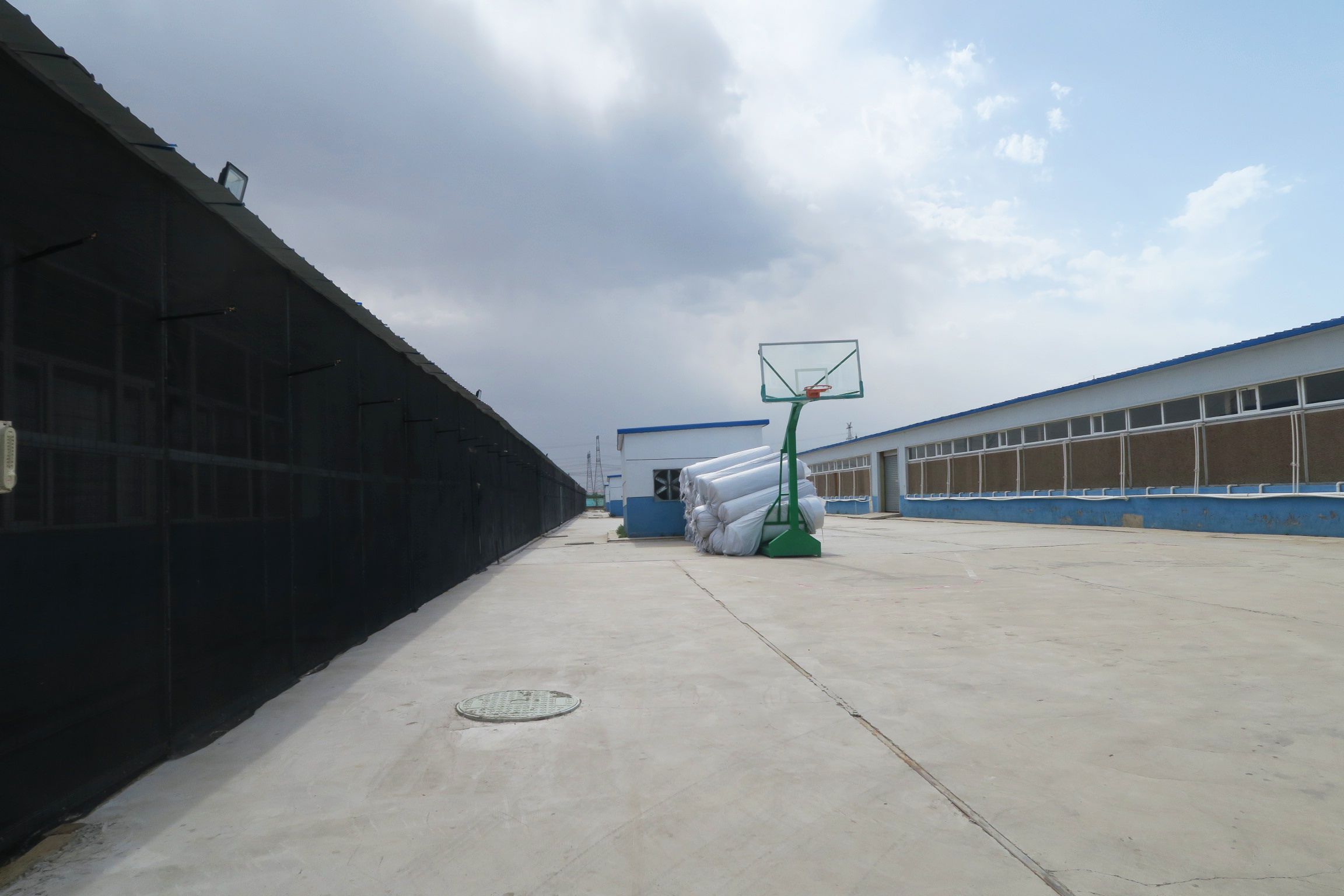
Outside the cicada-like whir of machines, the bitcoin mine is a desolate concrete lot full of plain-looking warehouses. We’re in Ordos, the famed ghost town of Inner Mongolia province where local farmers became rich off coal reserves hidden beneath the earth’s surface. Now, another kind of fortune is being mined.
Inside the warehouses, miniature block-like computers are hard at work. Green and orange lights flash in steady intervals. The machines hum as they furiously solve equations. They’re competing for the right answer as they apply mathematical formulas to data stored on the bitcoin blockchain, a global ledger of all transactions.
Like mineral gold, mining the digital currency isn’t free. For hardcore miners, the bottom line is cheap electricity.
“In the early stages of China’s mining industry, the cost of electricity wasn’t that important. As long as you had industrially priced electricity, you could mine,” explains Su Jiahai, head of mining at Bitmain, a Beijing-based company that owns several cryptocurrency mines in China, including the one we’re touring in Ordos.
Like mineral gold, mining the digital currency isn’t free.
That’s changed, he says. Today, Chinese mines not only seek out cheap electricity, but also stability and scale. So instead of siphoning surplus electricity from hydropower stations in Sichuan, say, during the rainy season, larger mines are now partnering with local governments for a steady but discounted supply of energy from the State Grid, China’s state-owned electricity utility.
In Inner Mongolia, for instance, Bitmain is partnering with the local government to access electricity from the State Grid for about four cents per kilowatt hour. In exchange, the profit from Bitmain’s Ordos mine is taxed.
The Chinese government has so far been hands-off in regulating this space. That may not last. China’s bitcoin mining industry seems to be following the well-worn path of other internet industries in the country, such as peer-to-peer lending and ride-hailing:
- The industry is allowed to develop unfettered by regulation, until companies reach a certain scale or something bad happens.
- There’s a crackdown as the government develops policies to rein in risky behavior.
- The remaining players are the industry’s largest – or else driven underground – and maintaining tight communication with the government becomes an essential part of the business.
In cryptocurrency mining, the bigger the business, the more incentive there is to play by the rules.
“If a company doesn’t want to worry about the stability of their electricity source, they make it public – they work with the government,” says Zhao Qianjie, (who goes by the name of Denver in English), vice president of BTCC, which operates a digital currency exchange and mining pool in China.
Already, there are large-scale mines that register themselves as companies before partnering with the government to buy land, construct factory buildings, use electricity, and mine in a “transparent and standard manner,” he says.
Changing times
Size matters





Stay updated on the go with our mobile app.
Get latest insights with smoother, more personalized experience through TIA mobile app.











📅 Upcoming Events
22 October 2026
Payoneer x CSPN Summit 2026