 Gilang Kharisma · · 3 min read
How Uber uses 200 million users to survive the AI era
This article summarizes an episode of 20VC with Harry Stebbings’s video series featuring Andrew Macdonald, president of Uber
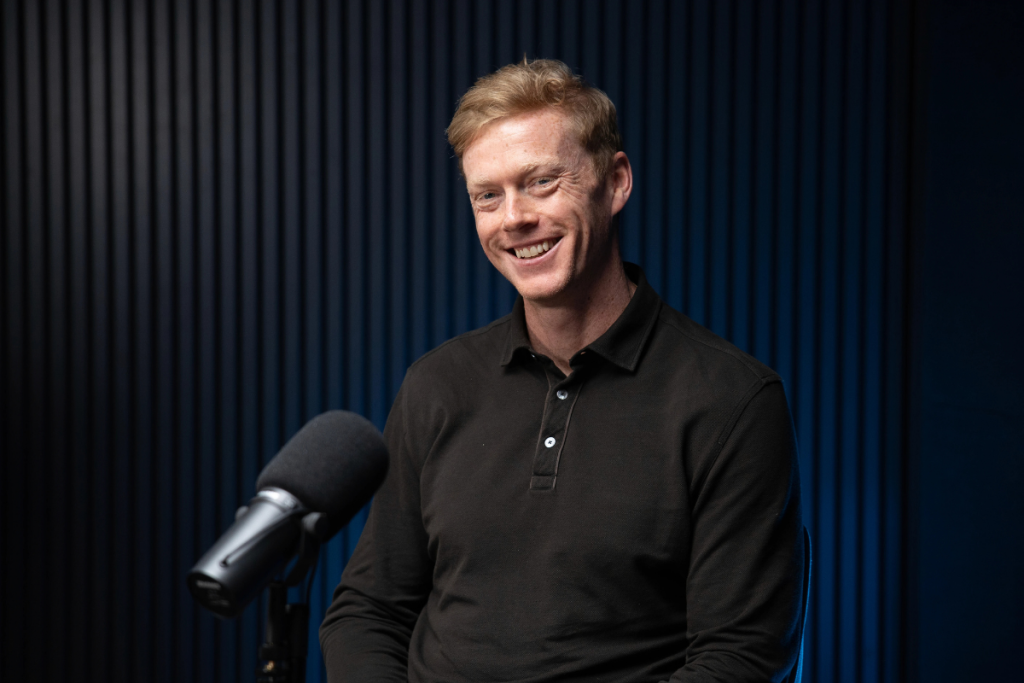
Andrew Macdonald, president and COO of Uber / Photo credit: 20VC
Self-driving cars pose a major threat to Uber in some of its most profitable markets, but the company plans to keep its lead through its large customer base. As transportation becomes more automated, controlling the app experience is now more valuable than owning the cars.
Uber president and COO Andrew Macdonald is managing this shift. He faces two main challenges: self-driving cars replacing human drivers, and AI assistants trying to find users the cheapest rides.
Autonomous evolution disrupts high-revenue markets
The shift to autonomous fleets will happen unevenly. High-revenue cities could see faster disruption, while developing markets may continue relying on lower-cost human labor. Uber’s strategy rests on three advantages:
- Marketplace: Fleet owners like Waymo or Tesla hold expensive fixed assets that require customer traffic to maintain profitability.
- Distribution: The company leverages its consumer base to keep supplier vehicles busy during quiet periods.
- Monopoly prevention: Building partnerships across multiple vehicle providers prevents any automated supplier from controlling prices and fees.
Macdonald acknowledges that autonomous vehicles still face limitations, including weather restrictions and slower pickups, but expects those constraints to improve. “Autonomy is as bad as it’s ever going to be today, and every single day it’s going to get better.”
AI agents threaten front-end economics
As vehicle hardware improves, Uber’s distribution advantage faces pressure from AI assistants designed to compare prices across competing ride applications.
Macdonald refuses to surrender the customer relationship to third-party aggregators, declaring that “we win that first look with 200 million consumers and growing every month.”
Uber protects its direct consumer relationship by relying on the reality of transportation:
- Transportation requires coordination for changed pickup locations and delayed cars.
- Outside applications avoid taking financial liability for ruined food deliveries or failed trips.
- Direct control over the app interface remains valuable during customer support requests.
Retaining responsibility for these complications prevents digital assistants from hijacking the booking process.





Stay updated on the go with our mobile app.
Get latest insights with smoother, more personalized experience through TIA mobile app.












📅 Upcoming Events
22 October 2026
Payoneer x CSPN Summit 2026