Collin Furtado · · 3 min read
Indonesian regulator holds e-pharmacies responsible for selling restricted drugs
Nikita Puri also worked on this story.
Badan Pengawas Obat dan Makanan (BPOM), Indonesia’s national food and drug agency, told Tech in Asia that it holds the electronic pharmaceutical system operators – or PSEF – responsible for the sale of prohibited drugs on their platforms.
Licensed online pharmacies are accountable because they have “full control over the content and products that are displayed,” the regulator said.
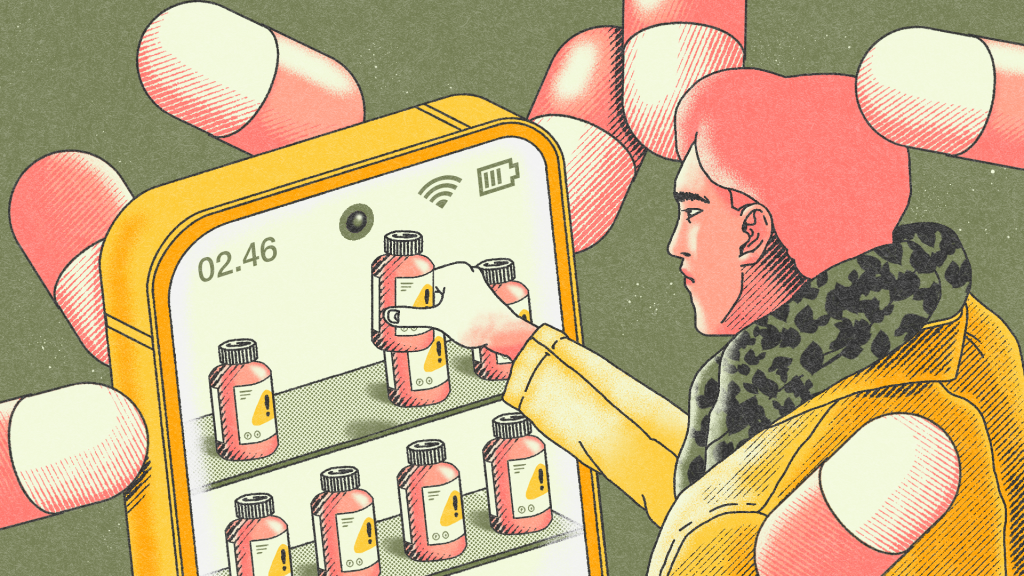
Image credit: Timmy Loen
In December, Tech in Asia had reported that popular Indonesian healthtech startup Halodoc had enabled the sale of at least 11 drugs banned from being sold online, including medication for erectile dysfunction, pharmaceutical precursors, and antipsychotics.
In a previous interview with Tech in Asia, Halodoc said it is a digital platform that doesn’t directly sell medicines but only connects users to its partners – doctors, hospitals, pharmacies, insurance agencies, etc.
This implies that as a marketplace, Halodoc is not responsible for the sale of any restricted drugs, but BPOM’s responses indicate otherwise.
According to the agency, these regulations were created because certain drugs could be misused and were potentially dangerous if taken without direct supervision from doctors or pharmacists. “The restrictions of selling drugs that contain pharmaceutical precursors were underlied by criminals to produce illegal narcotics and psychotropics which must be prevented,” BPOM said.
Halodoc got its PSEF certification in October 2021 – the first company to do so – and continues to hold it along with 12 other companies including Good Doctor, Alokdokter, and SehatQ.
See also: Temasek-backed Halodoc enabled sale of restricted drugs
BPOM further said that PSEF-certified platforms found violating these rules may be subject to “administrative sanctions,” which range from stern warnings to closing or blocking the platform and revoking of the licenses, among others.
If the violations are classified as criminal offenses, it can “conduct an investigation to the party responsible for selling drugs and food that does not comply with these provisions and can be followed up in a pro-justitia manner (meaning legal action) in accordance with statutory provisions which are the domain of BPOM.”
The country’s FDA added that if violations are identified, then it will conduct “a thorough and comprehensive investigation to be able to identify the source of the violation and be able to follow up accordingly.”
However, it is unclear whether BPOM plans to investigate or pursue any action against Halodoc. Tech in Asia has sought further clarification from the agency on the matter.





Stay updated on the go with our mobile app.
Get latest insights with smoother, more personalized experience through TIA mobile app.