Durba Ghosh · · 8 min read
Chatbots make a lot of noise but remain on the sidelines
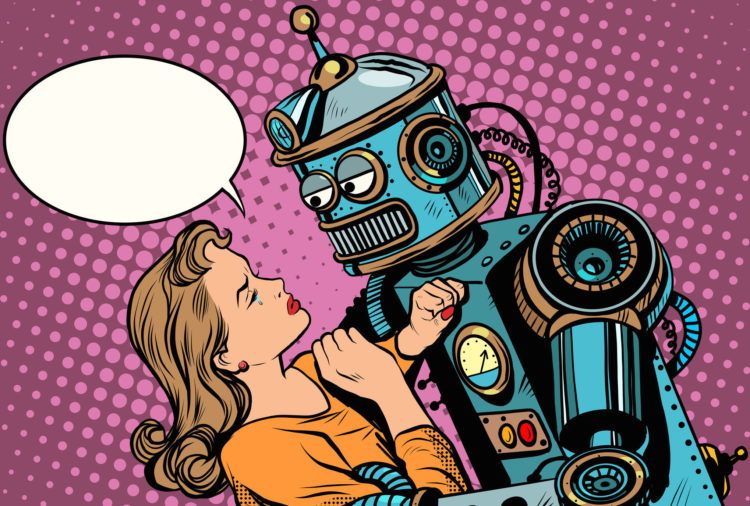
Photo credit: Валерий Качаев.
We Indians love to talk. And the startup ecosystem is taking note. No wonder the chatbot is the latest buzzword in technology.
Chatbots are machine agents hidden in your messenger or app that can conjure up information from other programs using simple keywords. These agents act like humans, and you can use one to order food, pick up your laundry, pay your bills, or book tickets just by sending a text message.
The vision for a chatbot: get machines to respond to questions like a human being. Have chatbots achieved that vision? Not so much. The technology is still nascent, so a chatbot may have trouble understanding your query or direct you onto a wrong path.
Nevertheless, major tech companies worldwide are backing chatbots. Facebook launched bots for Messenger in April and WhatsApp will soon join the bandwagon. Amazon’s Alexa and Apple’s Siri are being developed further to add additional features. Cisco, Oracle, SAP, and Samsung are also moving in this direction.
In India, the early adopters are startups. As of April, over 30,000 chatbots were launched on Facebook Messenger’s chatbot platform alone.
Chatbots have been around for a fairly long time. The first ever coded chatterbot – Eliza – was invented as far back as in 1966. Eliza could imitate the language of a therapist.
Why are they suddenly popular? For starters, the technology behind chatbots – machine learning and natural language processing – has evolved to make chatbots friendlier and more intuitive.
Eliza’s program coding was too basic to go beyond a short conversation. As the legacy of technology has advanced, the romance of talking to a machine has compounded too. Today you can call on Siri without even touching your phone, and she will set reminders for you, call your mom for you, or place an order for you online.
Second, the cost of developing a chatbot is one-third of what is required in developing a mobile app. Industry sources estimate that building a chatbot from scratch would cost about US$5,000. But if you are using a readily available chatbot building platform like Facebook’s Messenger, the cost will drop to between US$250 and US$1,000. Mobile apps, on the other hand, can cost anywhere between US$100,000 and US$1 million.
Then, a chatbot uses very low bandwidth. So a user doesn’t have to own a smartphone – thus allowing startups to widen their reach to users of basic phones.
India is now the second-biggest smartphone market, replacing the US, with over 220 million users, according to a study by Counterpoint Research.
Despite the surge in smartphone usage in India, only about 17 percent of the country owns one, according to a study by the Pew Research Center. This figure plunges to 7 percent in the lower-income category.
But the popularity of chat services in towns and villages is high. According to a report released jointly by the Internet and Mobile Association of India and consultancy firm, IMRB, 37 percent of the rural population uses the internet for communication, and 33 percent for social media. In urban areas, over 70 percent use the internet for chat apps.
Humanizing the bots
Bots to the rescue? Not so much





Stay updated on the go with our mobile app.
Get latest insights with smoother, more personalized experience through TIA mobile app.