Paul Bischoff · · 4 min read
New tool from Pakistan lets overseas workers pay their bills with bitcoin in just 5 minutes
Pakistan received US$17.6 billion in remittances in the last year, according to the country’s central bank. The majority of this money was remitted by the Pakistani diaspora – 7 to 8 million strong – consisting of students, blue collar workers, and industry professionals.
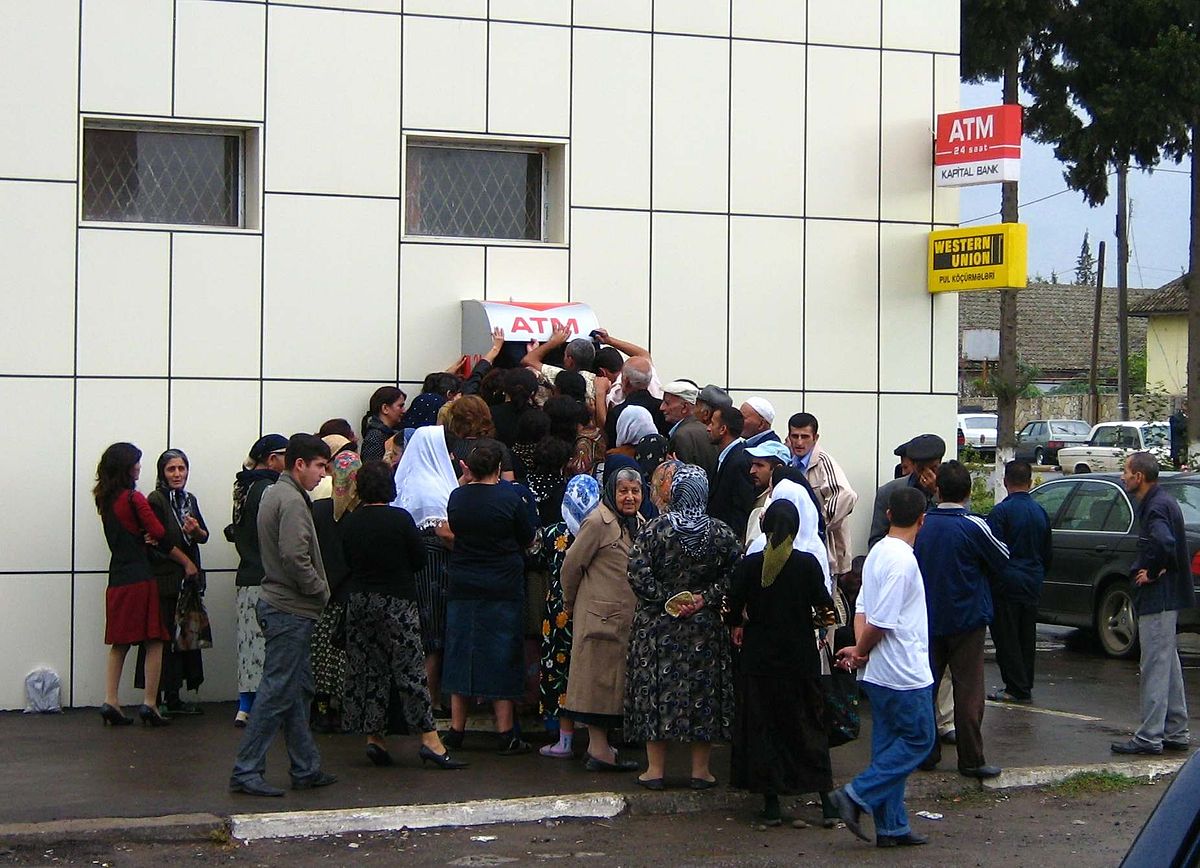
The most common reason for sending that money is simply to pay the bills, says Danyal Manzar, co-founder of Urdubit, Pakistan’s first bitcoin exchange. While overseas workers are away, they are still often expected to pay for utilities, phone bills, and internet for their homes and families. But because they receive paychecks in a currency other than their native rupees, they have to entrust a middle man – usually a friend or family member – to receive a wire transfer and pay the bills for them.
This process has many drawbacks. "It’s very difficult for people to pay the bills," says Manzar. "Usually they have to go to the merchant sitting at the local shop to pay their bills." Wire transfers also have limits, high fees, and require a high level of trust in the person receiving the money to spend it as it was intended. Western Union is the dominant player in Pakistan.
"The place that I live in, [the occupants of] three houses across my street are all living abroad," he says. "They have to keep paying bills while they’re gone." Manzar’s neighbors have no means of checking whether the people they remit money to are actually paying the bills, he explains.
Manzar and his team have developed an alternative solution: Paybill.io. Launched this week, the service uses Bitcoin to bypass the geographic limitations of fiat currencies and pay bills quickly, easily, and anonymously online.
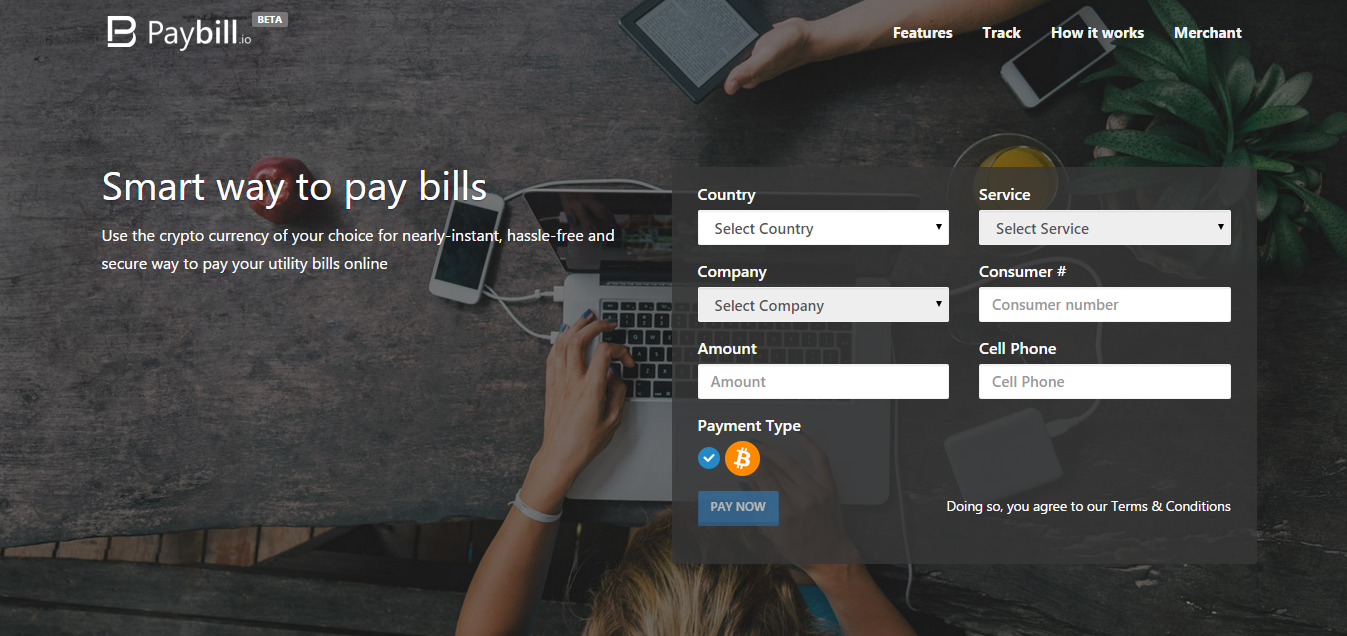
An overseas worker, for example, can buy bitcoin from Urdubit or any other bitcoin exchange, then enter a few simple details into Paybill. Select the specific utility company or telco, the customer’s account number, and the amount to be paid. Click on "Pay Now," scan the QR code with a bitcoin wallet app, and the job is done. Paybill requires no registration or personal information other than a phone number to confirm the payment has gone through. The payment process takes less than five minutes.
Once the payment has been submitted on the customer’s side, the bitcoin is converted to rupees through Urdubit’s exchange and sent to a merchant partner. Manzar says Paybill has already signed up 10 merchants in Pakistan who forward the payment to the customer’s selected telco or utility company. Paybill charges a modest one percent commission on each transaction. Half of that commission goes to the merchant, and the other half is used to compensate for volatility in the price of bitcoin while the payment is processed. Paybill effectively operates at-cost for the time being.
It takes less than five minutes for the overseas customer to pay a bill, then a maximum of three hours for his or her payment to be approved. Merchants never have to deal with bitcoin, as they only see rupees come through on their side.
A global solution
While Urdubit is firmly rooted in Pakistan, Manzar says Paybill will expand quickly to other countries. It also operates in Malaysia, where it has another 10 merchants signed up. The payments there go through local exchange BitX to ensure customers are getting a fair deal with local bitcoin rates. The Philippines and Dubai – both large remittance markets – are next in the pipeline. Manzar says he’ll also be signing up more merchants from the USA, Canada, China, Southeast Asia, the European Union, the Middle East, and North Africa.
Bitcoin is often hailed as an ideal solution for underbanked, cash-based economies with low credit card penetration. But like most countries, Bitcoin awareness in Pakistan is still low. Urdubit only transacts about two bitcoins per day (1 BTC = US$232 as of press time). To put that into perspective, Bitcoin payments processor Bitpay one year ago said it was processing US$1 million worth of bitcoin daily. It’s not much, but that’s still a significant uptick from a meager one bitcoin per month when Urdubit launched in October last year.
Barring any unexpected obstacles like government policy changes, the trend should continue on an exponential upswing. Bill payments are just the beginning, according to Manzar. Pakistan is home to one of the biggest freelancing populations in the world – people who often do work for overseas clients. Paypal is not accepted in Pakistan, so freelancers are usually paid by check and wire transfer, which are costly and slow. Bitcoin is a quick and cheap alternative. Remittances paid to individuals is another sector ripe for bitcoin disruption, and it’s already happening in many countries like the Philippines and Indonesia.





Stay updated on the go with our mobile app.
Get latest insights with smoother, more personalized experience through TIA mobile app.