- Premium Content It takes our newsroom weeks - if not months - to investigate and produce stories for our premium content. You can’t find them anywhere else.
 Jofie Yordan · · 6 min read
Economic woes prompt creative pivots among Indonesia’s startups
Entrepreneur Raymond Sutjiono is concerned that customers of his logistics and transportation solutions firm are becoming cautious as the economy worsens and investor sentiment sours on Indonesia.
The trend first became apparent when oil prices started rising following the Iran war in February, and it has continued as the Indonesian rupiah fell to record lows. Since then, “subscription growth has been slightly slower,” the CEO and co-founder of Indonesia-based McEasy tells Tech in Asia.
That said, his company has not seen significant churn on its logistics software so far.
Since the start of the year, the Indonesian rupiah has weakened against the US dollar, from around 16,000 rupiah per dollar in January to between 17,000 and 18,000 rupiah in June. To add fuel to the fire, the government raised the price of 92-octane gasoline – which is widely used by the middle class – by almost a third in June.
For the tech industry, the situation has been further complicated by high-profile state prosecutions taken against investors and founders in corruption cases involving alleged state losses.
This month, four executives from state-backed VC firms MDI Ventures and BRI Ventures were sentenced to prison over investments in agritech firm TaniHub. Meanwhile, Gojek founder Nadiem Makarim awaits a verdict for his involvement in the education ministry’s procurement of 1.2 million Chromebook laptops between 2019 and 2022.
Weaker rupiah raises costs
A combination of Indonesia’s weakening rupiah and rising costs led beauty and personal care company Sociolla to make price adjustments on selected products since the beginning of the year, CEO and co-founder Christopher Madiam tells Tech in Asia.
Despite that, the firm hasn’t seen any decline in revenue. Sociolla’s revenue has been “growing more strongly” in the first half of 2026 compared to the same period last year, the CEO says.
He adds that purchasing decisions for beauty products are often driven by trust and brand loyalty rather than price alone: “If a product’s price rises by 10%, there’s only a small chance consumers will immediately switch to another brand.”
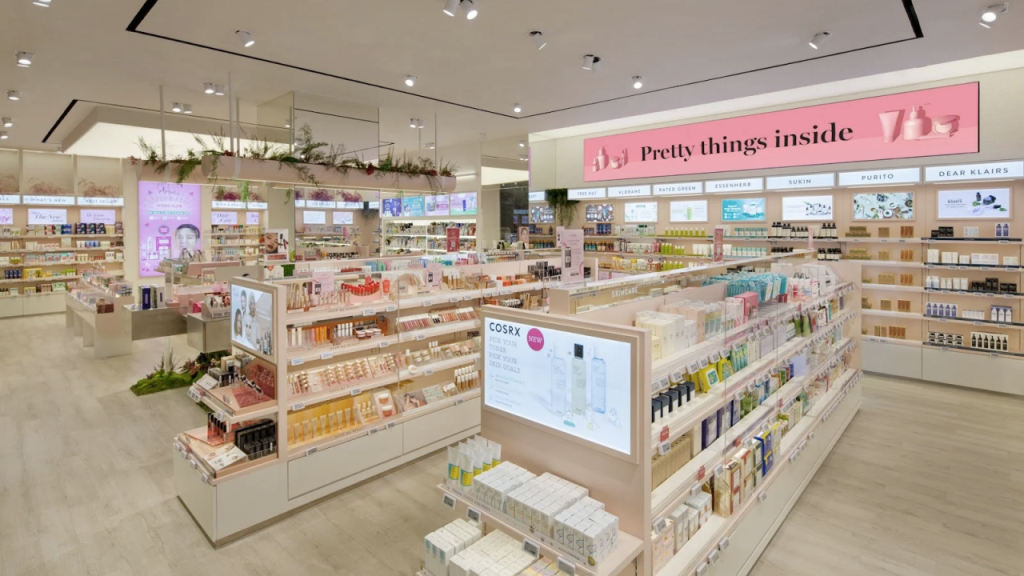
Sociolla store / Photo credit: Sociolla
In the logistics sector, measures including higher toll road tariffs, effective since the start of the year, are placing added pressures.
Philippe Auberger, CEO and co-founder of One Logistics Solutions (OLS), which provides consulting and logistics integration services, says its clients are shifting from monthly replenishment cycles to bi-weekly or even weekly orders to preserve working capital. These clients span the FMCG, retail, and logistics sectors.
Some glimmers of hope
What comes next
Stay ahead in Asia’s tech landscape
This is premium content. Subscribe to read the full story.
Rising costs and a weakening rupiah have hit Indonesia’s SMEs hard. But the most resilient are finding surprising ways to survive – and grow.
We know this is not ideal. ⌛ Sign up in 20 seconds. Cancel anytime.
Our subscriber community includes professionals from these companies:





Stay updated on the go with our mobile app.
Get latest insights with smoother, more personalized experience through TIA mobile app.