 Meng Jing · · 9 min read
How Trump’s assault on Huawei is forcing the world to contemplate a digital iron curtain
Designed by Apple in California. Assembled in China. This familiar line on the back of iPhones has summed up the world order for the past two decades: American innovation married with low-cost Chinese manufacturing to deliver cheap, quality products for the world.
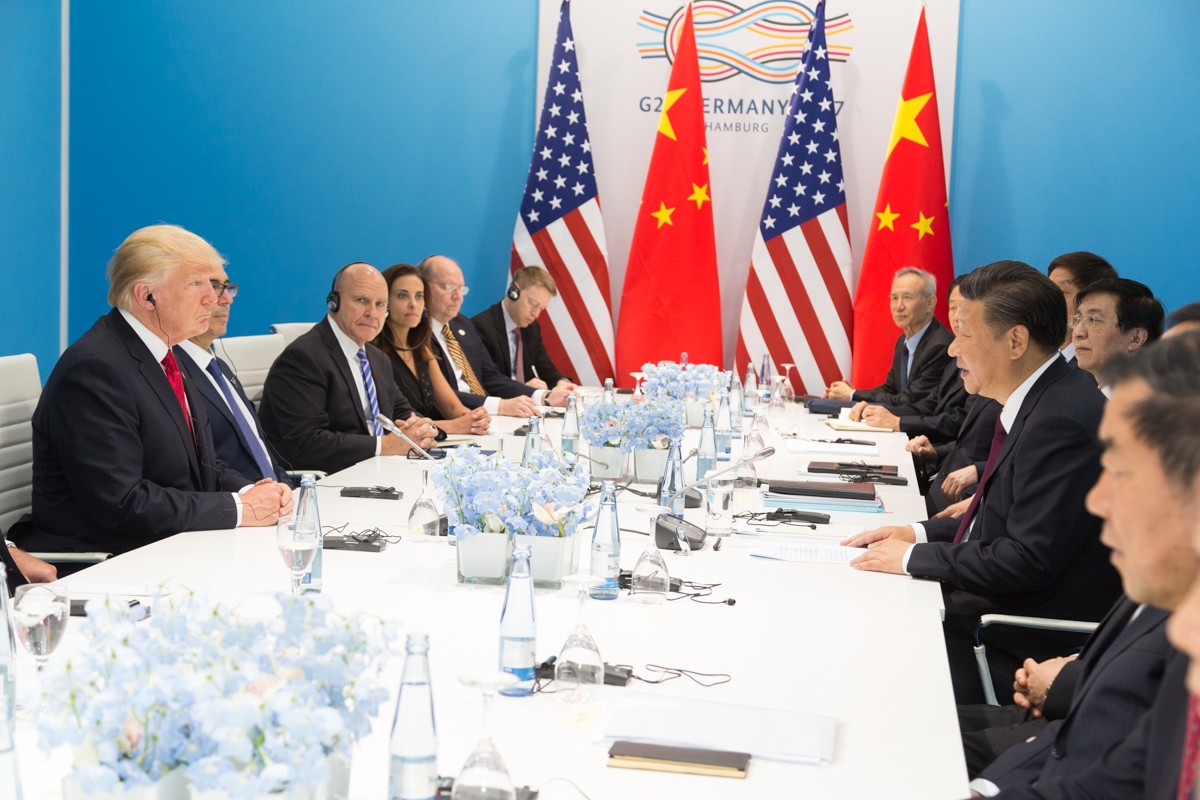
President Donald Trump and President Xi Jinping at the G20 Summit in 2017 / Photo credit: The White House from Washington, DC
But as China pursues its own tech ambitions, a threatened US is moving to cut Chinese firms off from American scientific know-how and pushing the world into a tech divide that neither country has really prepared for.
The Trump administration has targeted Huawei Technologies, one of China’s tech champions, by launching a one-two punch combination in its fight to ensure that national security is not compromised in US telecoms infrastructure, while simultaneously reining in China’s dominance in next-generation 5G wireless networks.
By inking an executive order restricting US tech purchases by “foreign adversaries” that are deemed a national security risk, as well as putting Huawei on a government blacklist, the US has effectively cut off Huawei’s oxygen supply by limiting its access to critical chips and software from American companies.
This is not a short-term negotiating tactic by the Trump administration designed to extract a concession – rather it is the opening salvo in a new tech cold war that could upend the global supply chain and rewrite business orders worldwide.
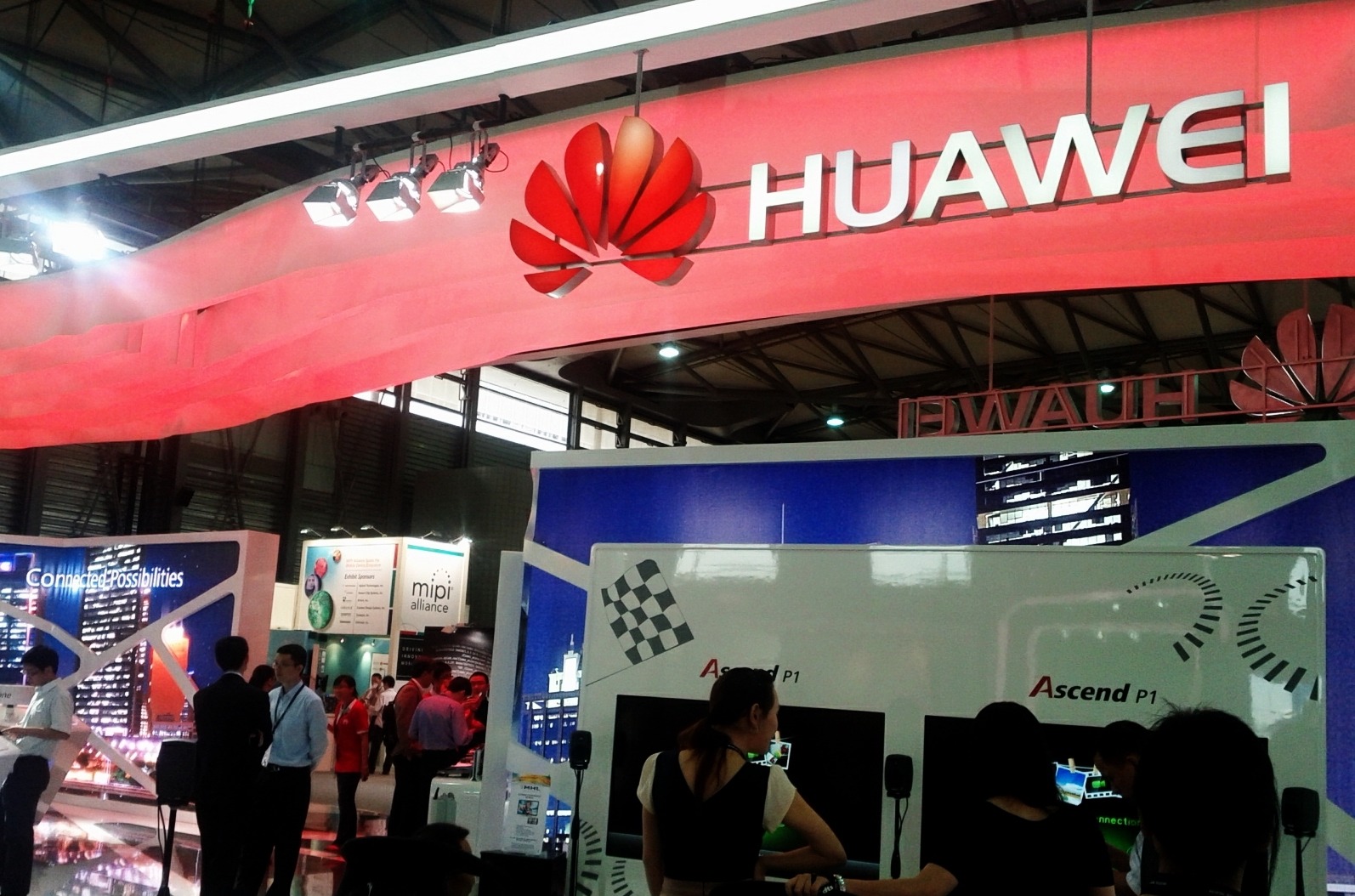
Photo credit: Tech in Asia
“The Huawei case clearly shows that global economic networks have entered the realm of geo-strategy,” said Abraham Newman, a professor at the school of foreign service and department of government at Georgetown University. “The hyper-globalization of the last 20 years is unsustainable given the real geopolitical constraints. We are entering a new phase,” said Newman, who is the co-author of several books including Voluntary Disruptions: International Soft Law, Finance, and Power.
Two decades ago, China erected a Great Firewall between itself and the rest of the world, effectively blocking US online services from Facebook to Google. Although this was primarily aimed at controlling the free flow of outside information to Chinese citizens – some of which may have been critical of the central government – it also had the effect of boosting the domestic internet industry massively and creating a separate Chinese ecosystem with its own innovations.
Simultaneously, as China pursued the slow opening up of its economy, it also set a variety of thresholds for foreign companies wanting to do business in the country, partially to protect domestic incumbents. From manufacturing, technology to finance – if a foreign company wants access to China’s 1 billion consumers, then it typically has to form a joint venture with a Chinese firm and share know-how to operate legally.
The US has now tired of this, calling it unfair and describing it as “forced technology transfer.” It has also accused China of contravening World Trade Organization rules in some cases. But China has refuted this assessment and as a result, the US has decided to build a bigger digital wall.
The takedown of Huawei, particularly its participation in the rollout of powerful, next-generation 5G mobile networks globally, is not simply about economics, though. The US fell behind in telecoms technology a long time ago. And in a data-driven age, Huawei has long been seen by the US military and defense establishment as a national security threat, open to exploitation by China’s intelligence agencies. The Chinese company has repeatedly denied this charge.
As such, a major part of the US political establishment – including both prominent Republicans and Democrats – now believe it is time to cut Huawei down to size. By removing the Chinese company’s access to critical US tech such as Google’s Android operating system and a variety of US chips, the US can stop Huawei’s overseas expansion in its tracks and, at the same time, check China’s rapid technological rise.





Stay updated on the go with our mobile app.
Get latest insights with smoother, more personalized experience through TIA mobile app.










📅 Upcoming Events
22 October 2026
Payoneer x CSPN Summit 2026