Daniel Tay · · 7 min read
No monkeying around: this startup gives impoverished Asian artisans stable incomes

Thai products, such as clothes and accessories, are extremely popular all around the world not only due to their low cost, but also because they are beautifully and lovingly handcrafted by local artisans. Tourists often end up carrying many of these back home by the bagful.
Alana Hitchcock and her husband Mark Weber would agree wholeheartedly with this sentiment. In fact, their house in California is chock-full of Thai decorations, clothes, and accessories they’ve purchased in large quantities while traveling across Southeast Asia. Weber lived in Bangkok for a period of time after college, and fell in love with the country.
The makers of these items, however, are typically impoverished and hence do not have sufficient access to technology that could help them to sell their wares anywhere beyond the borders of their respective cities or villages. Having noticed this during their travels, Weber came up with the idea to combine their passion for travel and Thailand with creating real positive opportunities for people.
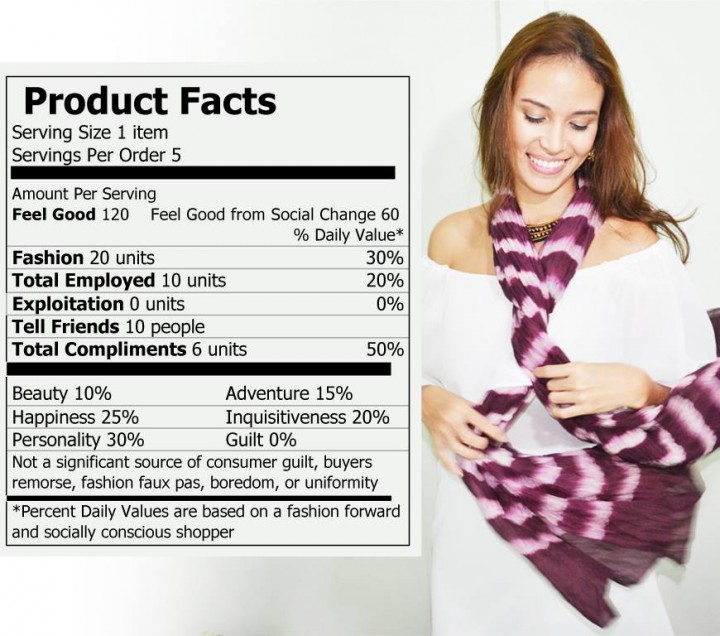
“People were constantly complimenting us on them [the Thai products] and asking where we got them. That gave us the idea that there could be a real market for these products in the US,” recalls Hitchcock. “He [Weber] made the connection between the growing desire for fair trade and ethical products with the potential market for trendy global products.”
It just so happened that both Hitchcock and Weber were both working or studying in fields that could help them with this endeavor. Hitchcock explains:
I was working on planning for long term sustainable communities and regions for the California Department of Transportation (Caltrans), and implementing a program that did community-based, holistic planning in California’s rural regions, where I learned about many of the challenges surrounding economic development and lack of opportunity. I could see that the problems these regions faced and the solutions we were implementing had many commonalities with poor underdeveloped regions anywhere, and I wanted to take the award-winning model and apply it in Thailand and other countries. We were also completing our Masters degrees in Public Administration from USC at the same time, and learning about social business and social entrepreneurship for the first time.
The dots connected. So the couple quit their jobs and moved to Thailand in September 2012. Their resulting venture was to be called Trade Monkey.
Chiang Mai represent
Trade Monkey is an ecommerce platform that connects customers to trendy, quality handmade products made by artisans in disadvantaged communities, and so help them receive stable incomes. The team works both directly with artisans as well as related non-governmental organizations to do this.





Stay updated on the go with our mobile app.
Get latest insights with smoother, more personalized experience through TIA mobile app.