 J.T. Quigley · · 3 min read
Toyota launches $111m fund for startups working on AI, robotics, and hydrogen power
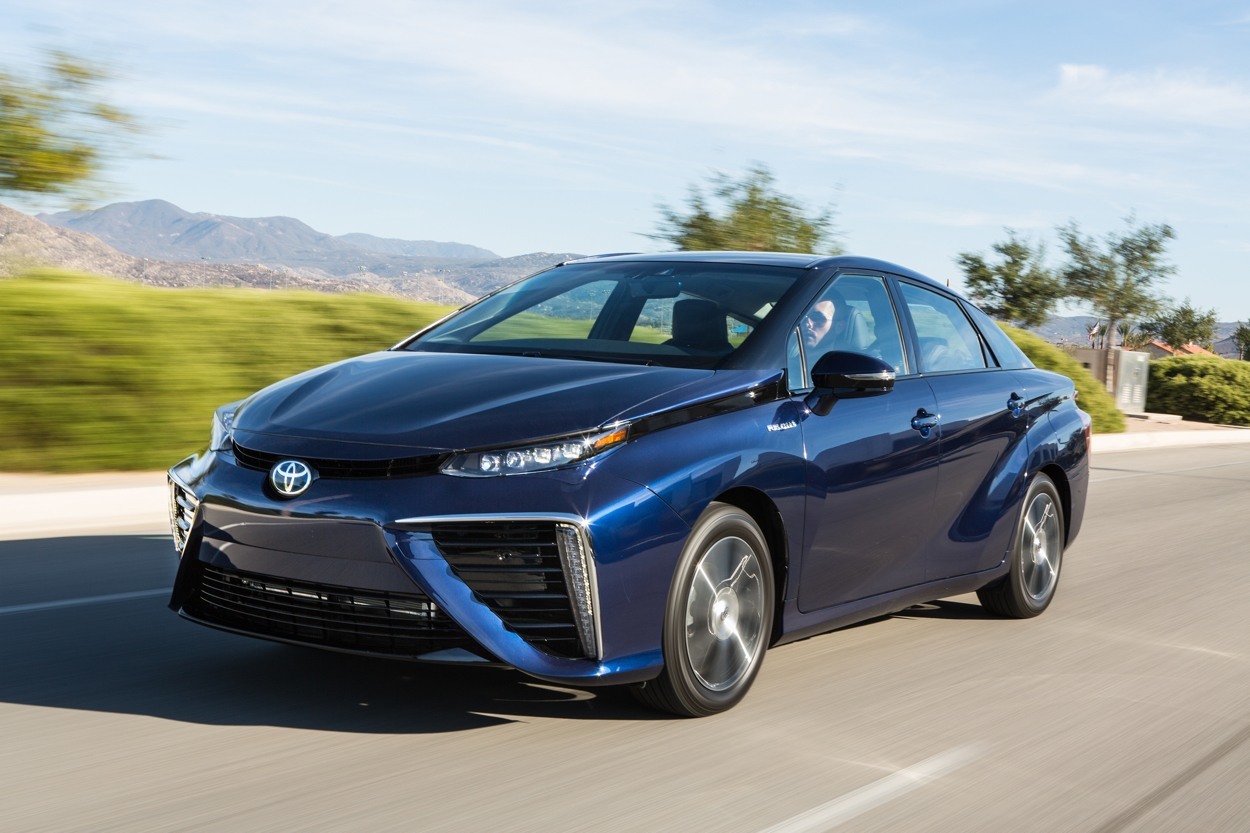
Toyota’s new fund shares a name with its hydrogen-powered sedan (pictured above).
Toyota, the world’s largest automaker, announced overnight a JPY 13.5 billion (US$111 million) investment fund for startups developing advanced automotive technologies. The new fund is a collaboration between Toyota and two financial institutions: Sumitomo Mitsui Banking Corporation (SMBC) and asset management company Sparx Group. The fund is named “Mirai Creation Investment Limited Partnership,” a hat tip to Toyota’s hydrogen-cell vehicle – which went on sale October 21 – and the Japanese word for “future.”
According to a Kyodo report, Toyota is contributing JPY 10 billion (US$82.3 million), SMBC JPY 3.3 billion (US$27.2 million), and Sparx Group the remaining JPY 200 million (US$1.6 million). Sparx Group will act as the fund’s general partner.
A Toyota press release states that target investment areas include artificial intelligence (AI), robotics, and “technologies related to the production, supply, and use of hydrogen.” While the firm didn’t directly mention autonomous driving, AI and robotics are core technologies related to self-driving cars.
Toyota pioneered modern hybrid vehicles with the ubiquitous Prius, but the automaker lags behind both domestic and foreign rivals when it comes to fully-electric vehicles. It may also be falling behind in terms of autonomous driving technology.
At this year’s Tokyo Motor Show (which is still underway), Toyota showed off the latest Mirai and a futuristic hydrogen-powered vehicle called the FCV Plus. It’s clear that the company sees hydrogen cells, not batteries, as the next big thing in green automotive – and has even said as much publicly. Toyota claims that current battery technology doesn’t provide enough distance per charge, and that the materials they’re made of limit “energy density” – you can only cram so much power per battery and so many batteries per vehicle.
See: 5 crazy, innovative concept vehicles at Tokyo Motor Show
The firm began testing a semi-autonomous Lexus last month, but says it has no plans to completely replace the driver (it’s calling the technology “Highway Teammate”). Toyota didn’t have much self-driving tech to show off at the motor show.
Nissan this week announced that it would bring semi-autonomous vehicles to market by the end of 2016. It’s currently testing a self-driving version of its all-electric car, the Leaf, on public roads and highways in the greater Tokyo area. US-based Tesla recently updated some of its existing electric vehicles with semi-autonomous capabilities.
The fund – which Toyota hopes to increase in size to JPY 50 billion (US$411 million) by next March, with the inclusion of new investment partners – will likely be used to address the automaker’s slow progress with autonomous driving technology. More importantly for Toyota, it could also further solidify its position as a global market leader for hydrogen power.
We’ve reached out to Toyota and will update this post if we get a reply.
Will batteries or hydrogen fuel cells power the next generation of automobiles? Could Tesla someday challenge a force like Toyota on a global scale? Let us know what you think below.
Editing by Nadine Freischlad
(And yes, we’re serious about ethics and transparency. More information here.)





Stay updated on the go with our mobile app.
Get latest insights with smoother, more personalized experience through TIA mobile app.










📅 Upcoming Events
22 October 2026
Payoneer x CSPN Summit 2026