Osman Husain · · 3 min read
WomenX is a World Bank-funded initiative to foster entrepreneurship
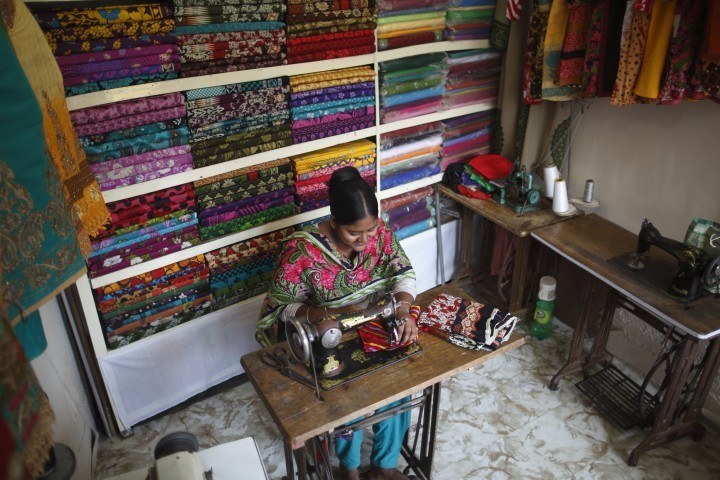
Pakistan ranks second-lowest in the Gender Gap Index 2014 report produced by the World Economic Forum.
Worryingly, the trend has been in a constant decline since 2006, when the report was first published. Access to economic participation and opportunity for women is actually going down, resulting in a slide in the ranking from 112 in 2006 to 141 today. Only Yemen ranks worse
Pakistan’s growing gender disparity has undoubtedly caught the attention of international development agencies. One of the ways they’re trying to arrest the gap is by encouraging women entrepreneurs. They help them gain access to mentors, training, and funding, which otherwise would not have been possible. WomenX is one such program, funded by the World Bank. The initiative is simultaneously running pilots in Nigeria and Pakistan.
The idea behind the program is to provide a package of services to high-potential women entrepreneurs, says Nimrah Karim, project manager for WomenX. The impact of the program is also measured by determining revenue growth, job creation, and network expansion.
“While entrepreneurship as a field is thriving in Pakistan, requisite programs to help existing women-led businesses aren’t available,” adds Karim. “We want to help build capacity for this segment.”
Running a business is a mandatory requirement to be accepted into the program. Admission is competitive, and Karim is quick to drive home the point that they’re not an incubator. What the program is trying to do is build the capacity of existing businesses to scale up. As a result, some of the women trained under WomenX range from solopreneurs to others who employ up to two hundred and fifty people. The fee for participating in the sixteen week program is US$100, which Karim explains is for women to take ownership and perceive it as an investment in their business.
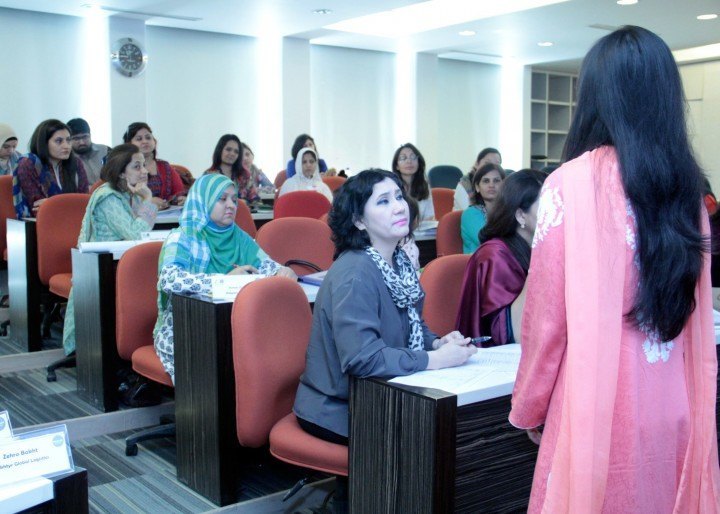
A customized curriculum is delivered for WomenX by the Institute of Business Administration, Karachi – Pakistan’s oldest management school. It includes foundational and technical knowledge for entrepreneurs, with training in marketing, sales, finance, operations, taxation, and law.
In addition to facilitating and training women, the program also includes a public discourse strategy to change the narrative behind women entrepreneurship. Karim says it’s important to make the public aware that women can be good leaders, run successful businesses, and have an important role to play in society.
“We want to challenge the traditional notion that a women entrepreneur can only be home-bound, self-sustaining person sewing buttons on a shirt,” she explains. “It’s crucial to shed light on trailblazers across the country, helping women overcome traditional barriers to success, such as societal stereotypes, and gender attitudes.”
The crucial elements of the program are its likely spillover effects into the economy. Successful women entrepreneurs are more open to investing their profits into healthcare, education, and hiring staff, which would have a multiplier effect. At the end of the four month program, a select few entrepreneurs are invited for a second phase with one-on-one mentorship and customized business consulting services. So far, nearly one hundred women entrepreneurs have benefited from the initiative and there are plans to expand the program all over Pakistan.
Editing by Nadine Freischlad and Steven Millward; top image by ILO





Stay updated on the go with our mobile app.
Get latest insights with smoother, more personalized experience through TIA mobile app.