 Jonathan Chew · · 6 min read
CTO of conversational AI platform shares his love for product development
In the 50s and 60s, there was the space race. Today, there’s a very different kind of race forming – an AI-driven one.
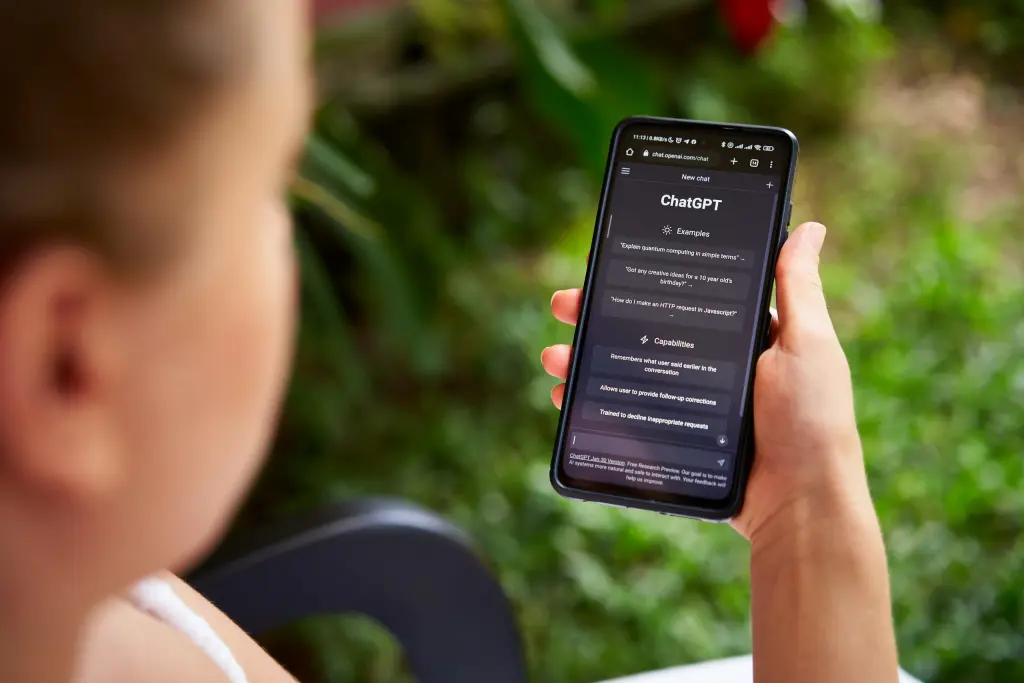
Things really heated up when ChatGPT-3 was unveiled, bringing the focus on generative AI to a new high.
Since then, startup founders in the AI space have had their work cut out for them. Mediocre products will no longer please consumers and companies, as they’re going to be looking out for the best and greatest that AI firms can offer.
Jaya Kishore Reddy aims to lead the way as the CTO and co-founder of Yellow.ai, a conversational AI platform.

Jaya Kishore Reddy, CTO and co-founder of Yellow.ai / Photo credit: Yellow.ai
At Tech in Asia’s Product Development Conference this year, he’ll take the stage with fellow speaker Low Lin-Hui – co-founder of AI content writing platform Hypotenuse – to discuss the development of artificial intelligence over the next few years.
But before that, we sat down with Kishore to hear about product development from an AI professional’s perspective.
The following responses have been edited for clarity and brevity.
What got you interested in product development?
Kishore: I’ve always been fascinated by the intersection of technology and innovation. I believe that technology has the power to transform the way we live and work, and I’m passionate about creating products that can help drive that transformation forward.
I got into product development because there’s a challenge in bringing together different technologies and capabilities in a way that creates something truly innovative. I love exploring new ideas, experimenting with different approaches, and iterating the process until we arrive at a product that is both useful and compelling.
In my view, product development is a critical part of any B2B company’s success. It’s not enough to simply have a good idea – you must be able to turn that into a tangible product that can deliver value to people. This requires a deep understanding of user needs, as well as the technical expertise to build a product that meets those needs.
What does “building great products” mean to you?
Kishore: First and foremost, a great product needs to be useful – it should address a need or pain point in a way that’s intuitive and easy to use. But that’s not enough. A great product should also be delightful. It should make people happy, excited, or even surprised.
Of course, building great products also means staying on top of the latest trends and technologies. In the conversational AI space, that means keeping an eye on developments in generative AI, natural language processing, machine learning, and voice recognition, among others.
Why is a strong product development community important?
What’s the best product-related career advice you’ve ever received?
What are you going to talk about at PDC and why is it important?





Stay updated on the go with our mobile app.
Get latest insights with smoother, more personalized experience through TIA mobile app.









📅 Upcoming Events
22 October 2026
Payoneer x CSPN Summit 2026