- Premium Content It takes our newsroom weeks - if not months - to investigate and produce stories for our premium content. You can’t find them anywhere else.
 Tan Siew Ann · · 5 min read
Axinan is serving micro insurance to Southeast Asia’s masses
The process of buying and claiming insurance remains tedious and frustrating.
Take health insurance, for example. Policy wordings can contain a ton of confusing legal jargon. Making claims is no walk in the park either, with insurers requiring claimants to fill in long forms and attach medical reports. Then there’s the wait for the claim to be processed and approved, which can take weeks or even months for complex cases.
Insurtech firms are looking to simplify the entire process. According to an analysis by research firm Venture Scanner, there are approximately 80 insurtech players in Asia, which have collectively received over US$1.8 billion in funding.
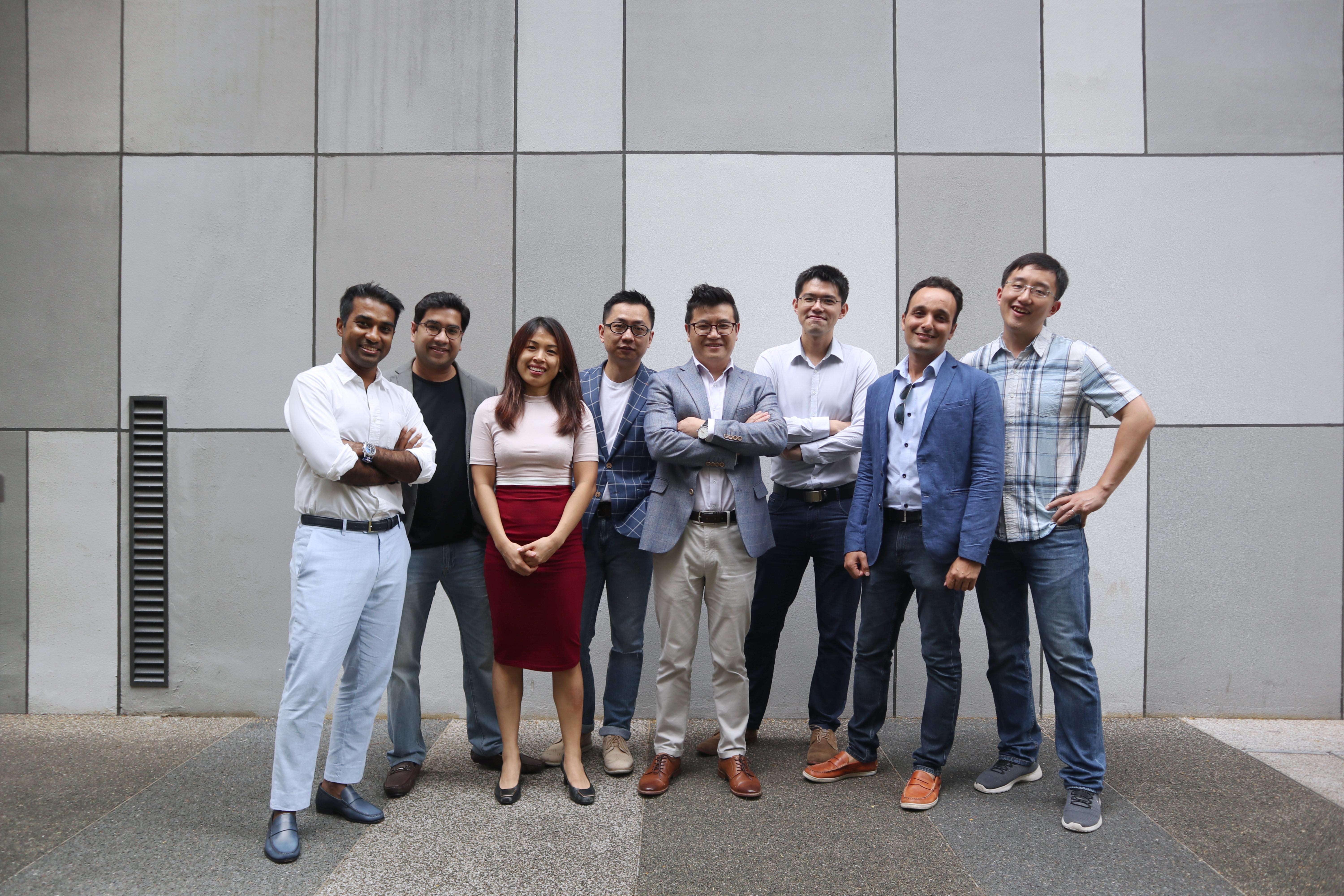
Photo credit: Axinan
Singapore-headquartered Axinan is one such company. Named after the Chinese characters 信 (xin, meaning trust) and 安 (an, meaning safety and security), it was founded by Chinese computer engineer Wei Zhu.
“Most of the insurtech companies in the region are what we call aggregators,” says Wei, who also serves as Axinan’s CEO. “They do price comparison, online brokerage, put traditional insurance products online, or help generate leads. […] We’re not just trying to put existing insurance products online and call that ‘insurtech.’ We want to design insurance products that fit the digital age.”
Making an impact through insurance
Before founding Axinan, Wei explored a variety of startup ideas, which included building another social app or instant messaging platform as well as providing maid services. That was when insurance technology, which was already making waves globally (Wei cited the example of Zhong An, China’s first online-only insurance company), caught his eye.
With the exception of Singapore, Wei felt that social safety nets of Southeast Asian countries were generally lacking. As of 2018, the penetration level of insurance in Vietnam, Indonesia and the Philippines was at less than 1%, so he believed that people in these countries weren’t getting the protection they need.
This attracted Wei to the idea of using his technology background to turn this “old school” and “conservative” industry on its head, setting up Axinan in 2016.
The company raised a seed round investment of approximately US$1 million and followed up with a series A funding in February 2018. While Axinan declined to disclose exact numbers, Tech in Asia previously reported that it raised a “high seven figures in US dollars” from investors such as Singapore-based Openspace Ventures.
Axinan says it currently employs around 30 staff in Singapore, with approximately another 20 helming operations in other Asia-Pacific countries such as Indonesia and Australia. It also has tech centers in China and Taiwan.
As Axinan zeroed in on the online and mobile space, the company initially focused on users who are tech-savvy and more comfortable buying things – even insurance – online. That meant the target audience was probably millennials.
The next consideration then was what insurance products the company should create. “We thought, ‘What do those digital-savvy users like to do?’ Well, they like to use their phones, right? They’re probably constantly on their phones; their smartphone is probably important to them,” shares Wei.
“And if you look at the Southeast Asian market, typically the younger people are unlikely to have a home or a car [so they wouldn’t need home or car insurance]. But the phones and gadgets, that’s probably stuff that they value.”
Entering the ecommerce ecosystem
From the ground up
Stay ahead in Asia’s tech landscape
This is premium content. Subscribe to read the full story.
It already has tie-ups with major ecommerce platforms Lazada, Shopee, and Tmall.
We know this is not ideal. ⌛ Sign up in 20 seconds. Cancel anytime.
Our subscriber community includes professionals from these companies:





Stay updated on the go with our mobile app.
Get latest insights with smoother, more personalized experience through TIA mobile app.