Osman Husain · · 5 min read
Forget the garage – this multi-million dollar company started in a jewelry store

In the mid-2000s, Or Offer, co-founder of web analytics startup SimilarWeb, found himself entering the family jewelry business. Or’s parents are artists – his father a painter and mother a jewelry designer. They owned a shop in Jerusalem selling jewelry and art, and Or, who was always business-savvy, wanted to scale it aggressively. Simply running a small mom and pop store wasn’t enough for him; he wanted to add more retail outlets, create more designs, and transform the business into a well-known brand in the jewelry industry.
The first thing the young entrepreneur did was to open additional stores in commercial spaces such as malls. Sales started to pick up and he hired staff to expand the team further. However, as a result of burgeoning demand, his parents’ existing jewelry workshop wasn’t able to keep pace. So Or did what he thought best – he outsourced some of the production, and opened another workshop in India. Then, the business was humming along nicely.
One day, a friend visiting from the US came to meet Or. He was effusive in his praise for the new styles of jewelry Or had made, and compared them to designer David Yurman. Or was embarrassed – he had no idea who David Yurman was. So he did what any entrepreneur would do, and searched online for more information. The problem was, while Or was able to find information about David Yurman, he couldn’t uncover similar designers or sites with chic, elegant jewelry designs. He found it frustrating.
Or’s experience of searching online for David Yurman happened in late 2006. At the time, Google was still very much based on keywords, and didn’t offer features such as site recommendations, explains Ari Rosenstein, head of marketing at SimilarWeb.
“He was like, ‘wait a minute – how come there’s no site recommendations? People who want to find related information should be able to do so’”

Or Offer
Problem = opportunity
Or understood that his frustration was undoubtedly experienced by others across the world. He sensed an opportunity to solve this problem and convinced a few friends to come onboard to help engineer a solution.
What they came up with was a browser plugin for Internet Explorer and Firefox. The plugin would analyze your browsing history and show similar, recommended sites as you weaved through the internet. It grew to be massively popular – at its peak there were over 40 million downloads. However, there was still a problem. There was no way to monetize the product, as people didn’t want to pay just for recommendations.
The turning point came in 2009 when SimilarWeb raised its first seed round. Its vast user base meant it was sitting on a potential treasure trove of consumer data, a fact that hadn’t gone unnoticed by competitive intelligence companies. Soon they approached the startup to sell its insights into consumer browsing habits, and SimilarWeb nailed its first revenue stream.
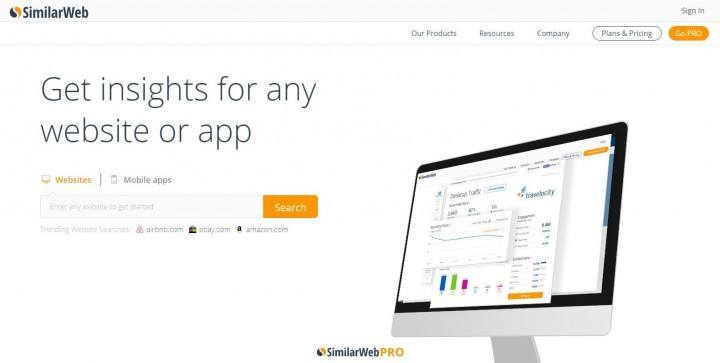
But even back then there was an understanding that selling data to a few enterprise clients in primarily western markets wasn’t an inherently scalable model. Or wanted to differentiate SimilarWeb from what he perceived as its main competitor – Alexa. The startup, acquired by Amazon in 2008, provided a global ranking of websites but didn’t give any idea of the sites’ estimated monthly traffic, a niche Or thought was worth looking into.
Complex data science





Stay updated on the go with our mobile app.
Get latest insights with smoother, more personalized experience through TIA mobile app.