 Goh Ruoxue · · 5 min read
AI and design: a powerful convergence
The unique convergence of artificial intelligence and design is a game changer enabling a larger pool of young talent to become innovators, said Tai Lee Siang, deputy president and chief innovation and enterprise officer at the Singapore University of Technology and Design (SUTD).
“Singapore is a small country – we don’t have infinite resources to produce things, let alone just design,” explained Tai, who serves as chairman of the judging panel for the newly launched Design AI and Tech Awards (Daita) jointly organized by SUTD and The Business Times (BT).
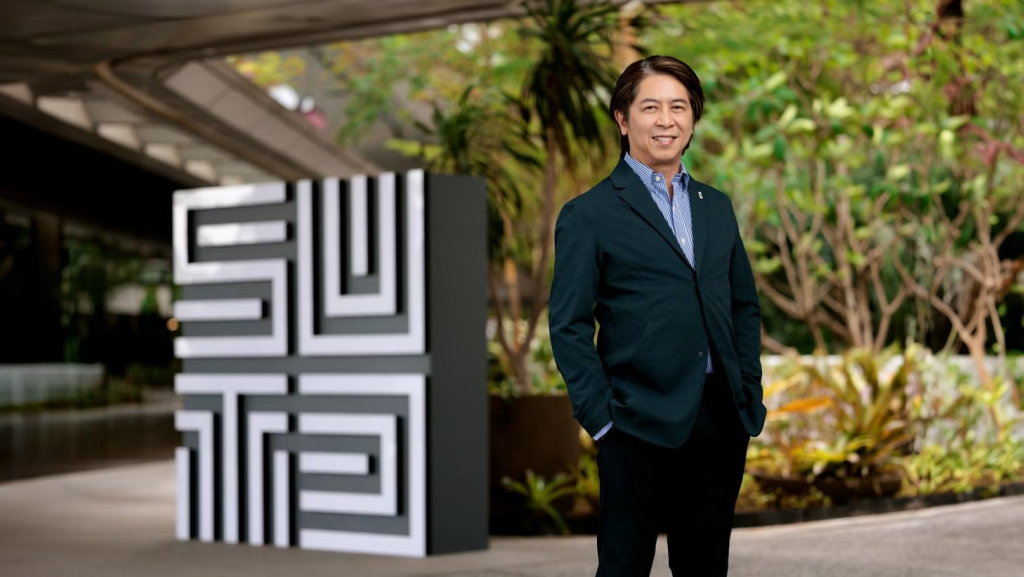
Tai Lee Siang / Photo credit: SUTD
Leveraging design and technology “can make manufacturing even more precise, more efficient, so that we don’t have to depend on either big land space or a huge number of unskilled labor,” he added.
This can also help Singapore “produce very high-quality products and solutions that benefit society and bring a new dimension of economic growth,” Tai said.
Daita aims to encourage innovators from all businesses – startups, SMEs, and large corporations – to harness design and technology to develop ground-breaking solutions that tackle real business challenges.
He told BT that by as early as eight years ago, SUTD had noticed the emergence of AI.
But the technology was young, and there was a lack of suitable context for its applications, recalled Tai, who is a veteran architect and urban designer by training.
Founded in 2009, the autonomous university – one of the six in Singapore – realized sometime in 2017 or 2018 that its design process and technology formation could do with such a booster.
As such, SUTD pioneered what Tai describes as the “first-of-its-kind” degree program known as design and artificial intelligence. But AI is just one of the many technologies that Daita will focus on.
See also: Instagram co-founder backs startup helping devs fend off AI
“Technology is never in silos; AI is never operating alone by itself,” he explained.
“We hope to see an integration of AI with other technologies, other disciplines – such as humanities, arts and social sciences, geography, and history – and manifest in different forms,” he said.
Award submissions are now open and will be assessed across six criteria: design-thinking process and strategies; originality; utilization of AI and advanced technologies; ethical consideration and sustainability; aesthetic and functional qualities; and quantitative and qualitative impact.
The six touchstones are weighted equally to encourage contenders to address a myriad of factors rather than simply trying to score higher in one pillar, said Tai.
“My personal take is that if we use AI cleverly, it can speedily cut through some of these unknowns,” he noted.
While some details could be considered unknowns, “there is known data out there,” Tai pointed out.
“That’s where AI can help us create products and solutions that reduce carbon emissions yet, at the same time, manage the cost of production, uncertainties, and risks of some of these new creations,” he said.
For those interested to participate in the awards, his advice is to watch the size of the submission.
“As a start, look at something scalable and, in terms of AI application, something that is more human-scale allows us to appreciate its real benefits [instead of] something that is so huge that we can only see it in astronomical figures, but can’t really feel its impact on society,” he suggested.
Impact is key
Several other Daita judges agreed that impact is the order of the day.
“I would be particularly excited to see real-world impact – submissions that demonstrate practical applications solving actual design challenges,” said Laurence Liew, director for AI innovation at AI Singapore.
Launched in 2017, AI Singapore is a multiparty effort between various economic agencies and the academe to accelerate AI adoption in the industry.
The focus would be on deployable solutions rather than just proof-of-concepts, according to Liew.
End-to-end solutions that demonstrate a comprehensive understanding of the entire AI life cycle – from data collection and model development to deployment and maintenance – would earn brownie points with him as well.

Laurence Liew, AI Singapore’s director for AI innovation / Photo credit: The Business Times
For GreenA Consultants senior partner Farizan d’Avezac De Moran, contenders must not only have an idea that leaves a marked effect on society, but they should also be able to communicate that impact clearly.
“If they are proposing an integration platform, they need to be able to articulate for what and why, and, if possible, address situations on the ground,” she explained.
Simply telling the judges this is a great product would not cut it, said Farizan.
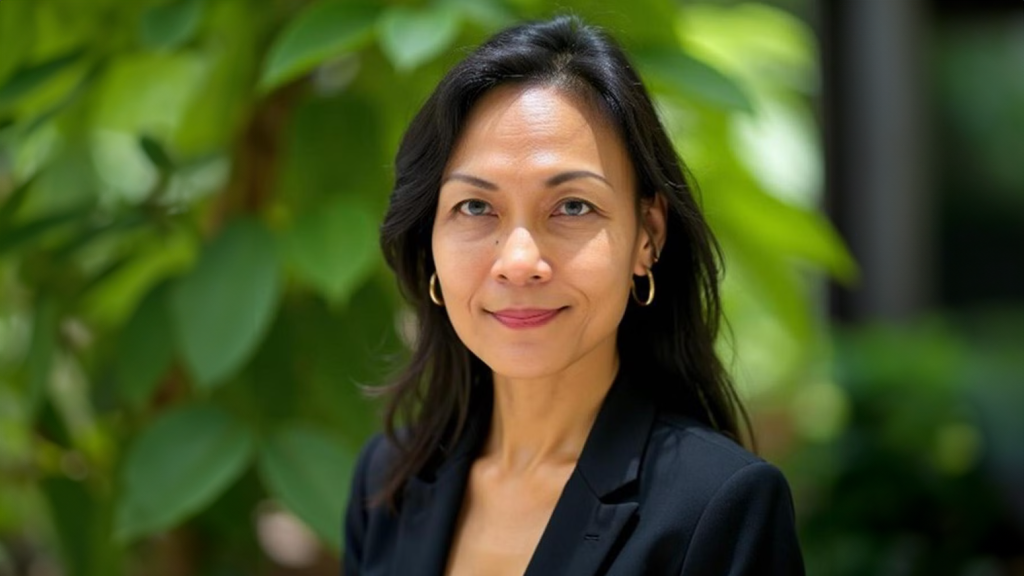
Farizan d’Avezac De Moran, senior partner at GreenA Consultants / Photo credit: The Business Times
Symbiosis of tech and design
Positive impact aside, Dawn Lim, executive director of DesignSingapore Council, also has her eye on submissions that tackle issues arising from the use of technology.
Examples include projects promoting inclusivity, mental health, and the ethical use of AI.
“It is important to remember that technology still needs human-centric-driven solutions to harness its potential, address its pitfalls, and prioritize our well-being,” said Lim.
Initiatives such as Daita showcase the symbiotic relationship between the fields of design and technology, she added.
“It is not only a platform to celebrate the achievements of the winners, but [it is also] a valuable opportunity for the cross-sharing of best practices from organizations that have leveraged technology to develop better solutions through design,” Lim stressed.
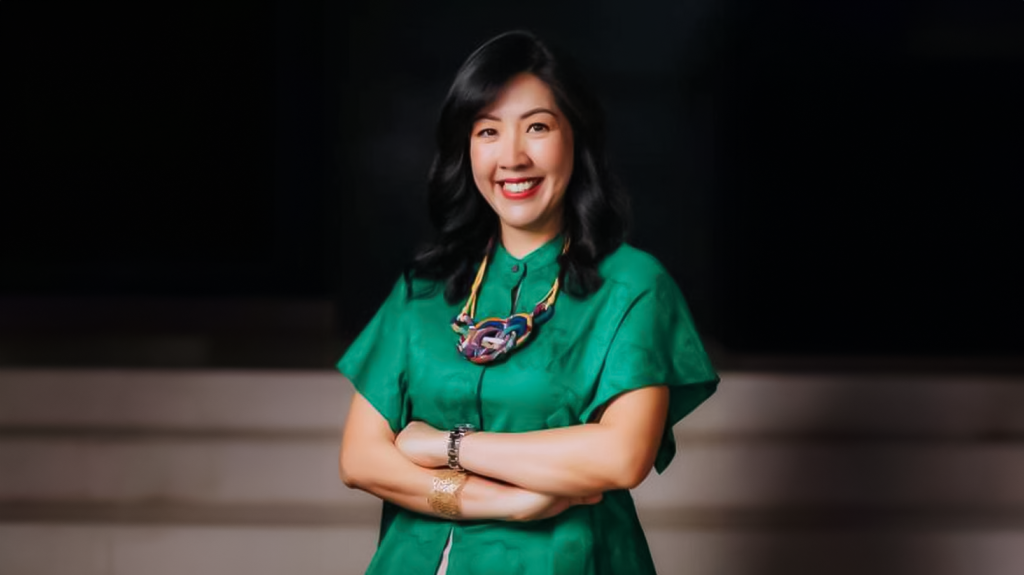
Dawn Lim, executive director of DesignSingapore Council / Photo credit: The Business Times
BT editor Chen Huifen, who is also on the judging panel had this to say: “We are looking for enterprises that apply AI in their businesses – be it in work processes, business models, or revenue streams – to drive growth.”
She continued: “AI enablers, SMEs, and large enterprises are all welcome to participate, as long as they believe they have used AI intelligently to create impactful, measurable outcomes that set them apart in their industry.”
Application details
Applications for Daita are now open and will close on December 31, 2024.
There are three award categories: product design, system design, and spatial design.
A top prize will be awarded to one solution in each category, and winning contenders will be invited to a presentation event. More information can be found here.
See also: Battle of the AI transcribers: Meeting.ai takes on Otter.ai
This story was republished with permission from The Business Times. It was moderately edited to reflect Tech in Asia’s editorial guidelines.
Stay updated on the go with our mobile app.
Get latest insights with smoother, more personalized experience through TIA mobile app.
Recommended reads
 Inside OpenAI’s public-first bet on medical AI
 How AI agents will be the new software buyers
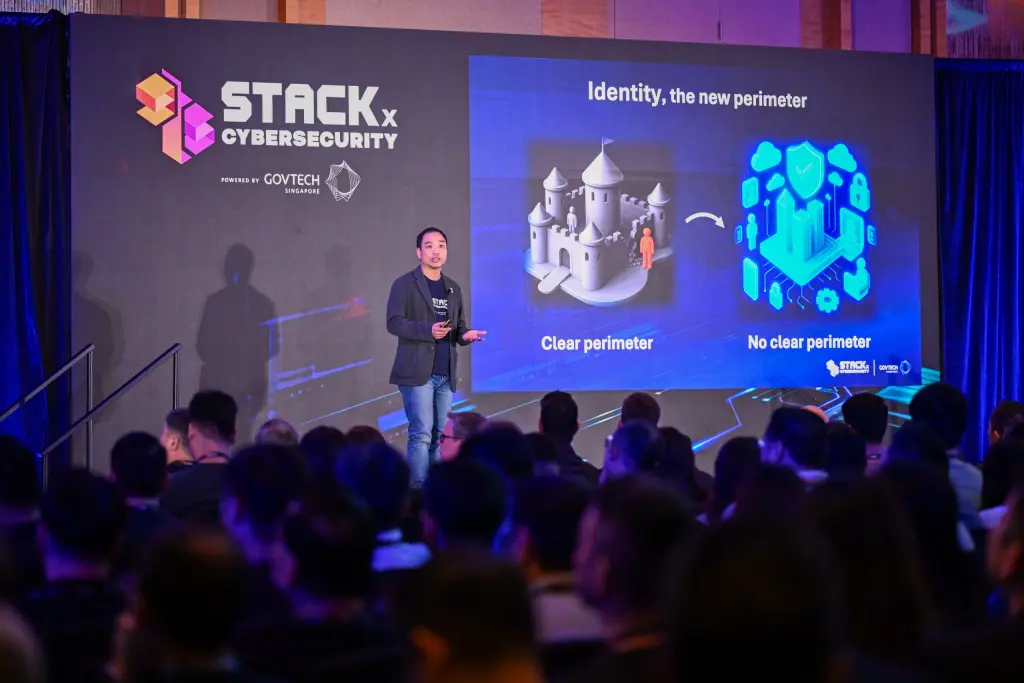 QuickBytes: How GovTech Singapore is fighting fire with fire in cybersecurity
 How OpenAI is betting on one powerful “brain” over many tools
 Why ‘vibe PMing’ is the future of product management
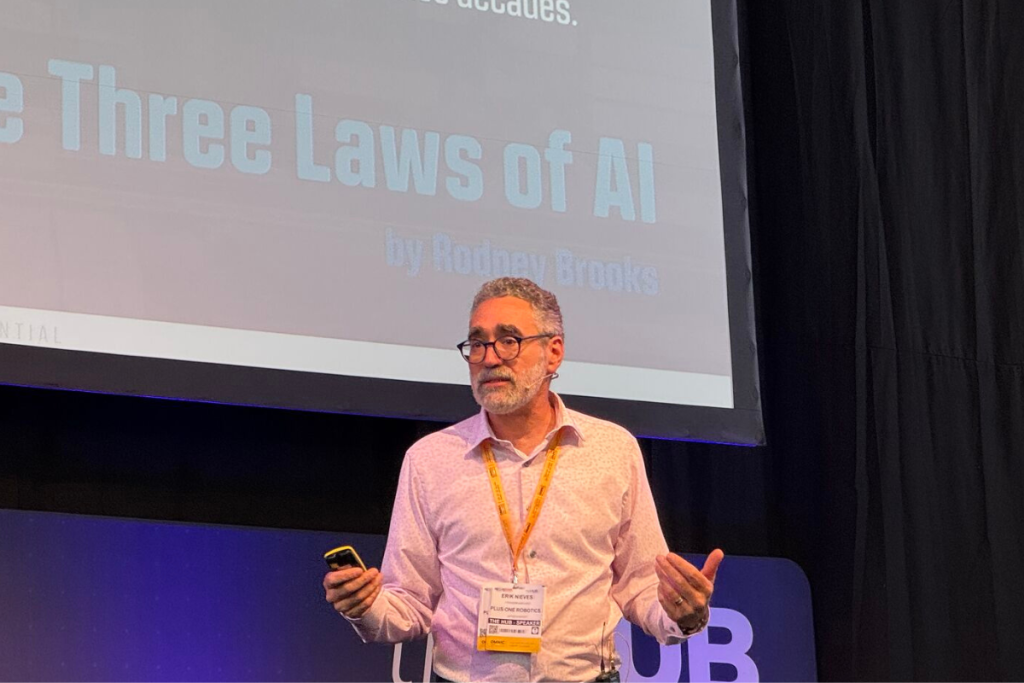 Why robots still need humans to make warehouse automation work
 Escaping the LLM bubble: AMI Labs goes the physical AI route
 Freeze headcount until AI becomes the true production line
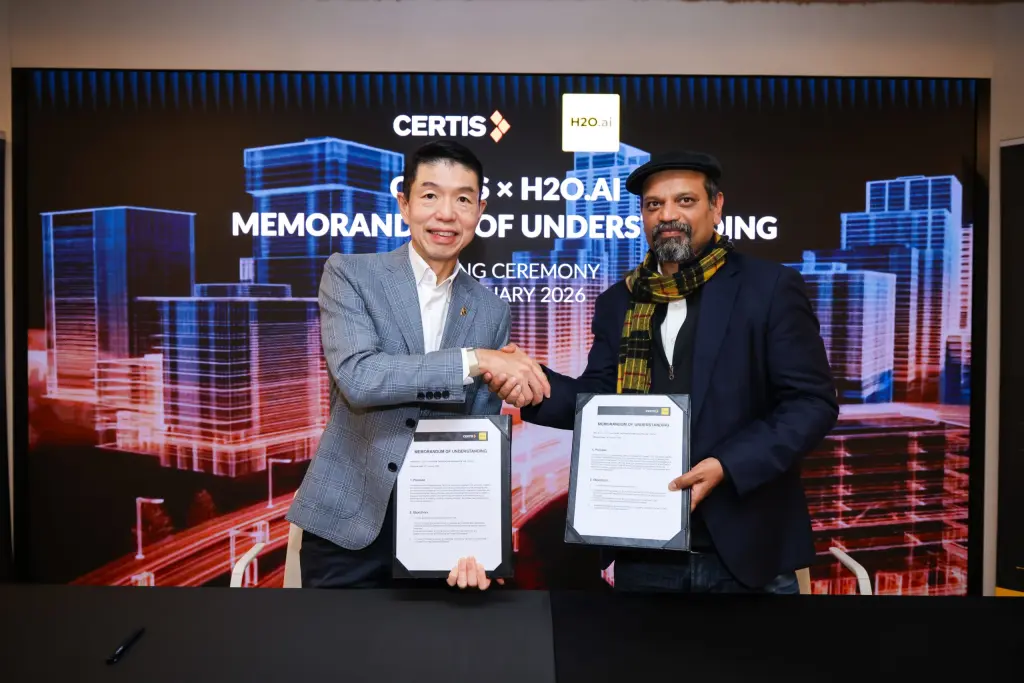 From data to durians: H2O.ai’s journey to AI-led accessibility
 Robots still struggle with touch. Sharpa wants to fix that





Editing by Eileen C. Ang
(And yes, we’re serious about ethics and transparency. More information here.)





📅 Upcoming Events
22 October 2026
Payoneer x CSPN Summit 2026