Jonathan Chew · · 6 min read
Why an SG student fund bet on Philippine alt-milk startup Dehusk

Summary:
- Most venture capital in Southeast Asia comes from international investors, which can lead to decisions that overlook local consumer needs and cultural nuances.
- Protege Ventures, a student-led fund based in Singapore, leverages its local perspective to identify opportunities like Dehusk, a coconut-based dairy alternative tailored to regional demand.
- Beyond funding, Protege Ventures supports startups with market access, networks, and cultural insights, showing how local investors can drive sustainable and relevant growth in the region.
- Follow Protege Ventures’ LinkedIn page here to find out more.
Would you let someone who hasn’t lived or grown up in Southeast Asia have a huge influence on the products and services you use every day?

Photo credit: Shutterstock
It’s easy to understand why someone native to the region might be averse to that idea. And yet, much of the venture capital flowing into Southeast Asia – and making decisions about its companies – comes from outside the region. According to a 2024 report by Magnitt, 72% of investors in Southeast Asia’s startups in the first nine months of that year were based outside the region.
“Capital arrives, pattern-matching happens against frameworks built in other markets, and products that feel obvious to anyone who actually lives here don’t always make the shortlist,” says Lim Zi En, a graduate of Singapore Management University (SMU) who’s on the investment committee of Protege Ventures (PV), a student-led fund based in Singapore. “This isn’t an accusation – it’s just the reality of how the industry is structured.”
Lim is hoping to push for a better approach, one that emphasizes local investments that understand opportunities in Southeast Asia – which is where funds like PV come in.
An inside perspective
Founded in 2017, PV aims to give students firsthand experience through deep immersion in VC activities and direct interactions with industry leaders. Its team primarily consists of students who are based in Southeast Asia.
“Our team members are actually the consumer class here, placing bets on the home markets they were raised in,” says Lim.
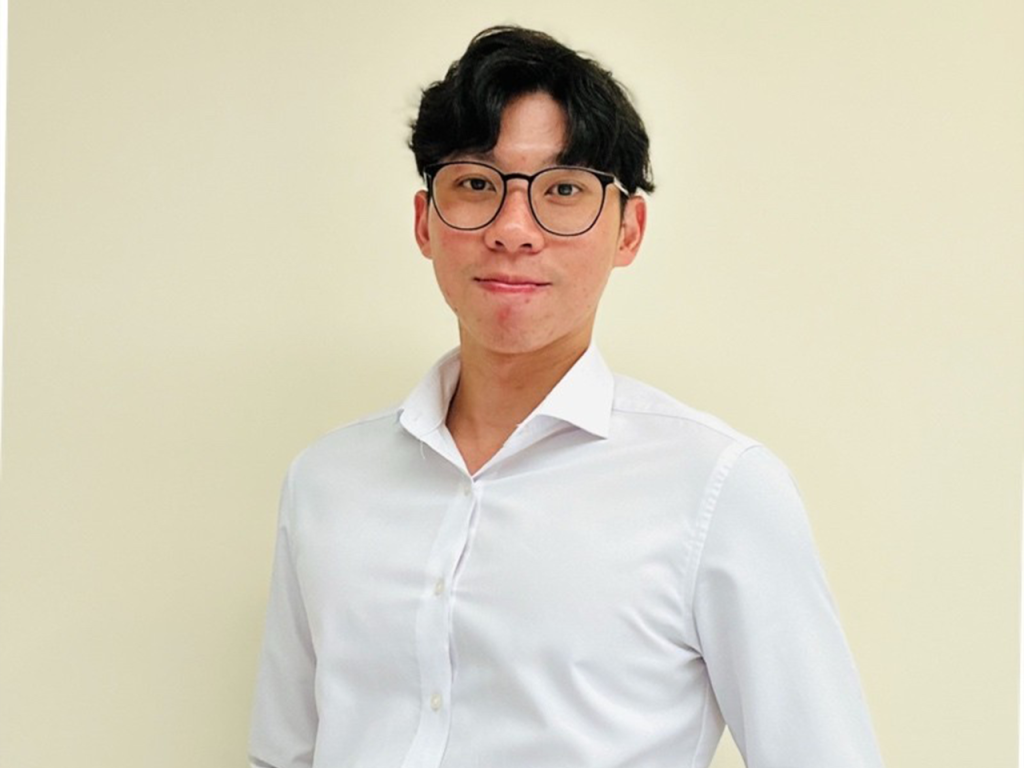
Lim Zi En, a member of PV’s investment committee / Photo credit: PV
He adds that many of those within PV have grown up on the same apps, haggled at the same night markets, and know instinctively why a brand might land well in Singapore, for example, instead of elsewhere. This comes down to understanding the region’s shifting tastes, local price sensitivities, and a product’s cultural relevance – particularly among Southeast Asian youth.
These localized perspectives also enable PV to identify unique gaps in the market.
For example, over 80% of the Asian population in Malaysia are lactase deficient, while 99% of Philippine dairy is imported. Existing plant-based alternatives are expensive, poorly fortified, and carry allergen concerns that exclude a significant portion of the population.
With these factors in mind, there’s a simple yet overlooked solution apparent to those who understand the region’s food systems and consumer habits: coconut, with many Southeast Asian markets among the world’s largest producers.
As such, PV set its sights on Dehusk, a Philippine startup that uses coconut milk as a dairy alternative.
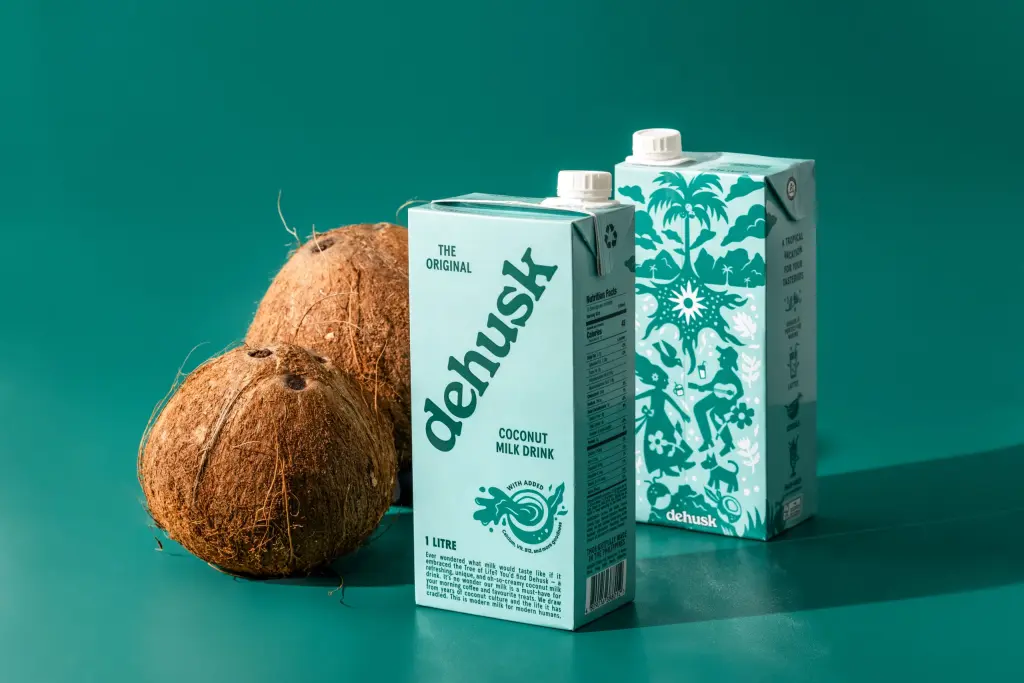
Photo credit: Dehusk
The VC shares that its relationship with Dehusk began when the startup approached Sherwin Ng, PV’s former managing director. Ng saw that the startup had strong product-market fit and a capable founding team, along with proven go-to-market channels.
Dehusk has already gained commercial traction in the Philippines, having been integrated as a default milk substitute in local coffee chain Dot Coffee as well as in Jamba Juice Philippines. This makes Dehusk Jamba’s first local F&B partnership.
With local success under its belt, Dehusk has turned to Singapore as its next market – an endeavor that PV is eager to support.
Balancing act
One of the ways PV is supporting this move is through capital. It has provided Dehusk with a cash investment, which the startup is planning to use for marketing efforts and improvements in production output.
According to Ryan Tan, an SMU student and the principal of PV, the fund follows a similar process across its deals. Student analysts source, evaluate, and bring opportunities to the investment committee, which are then tasked with approving or rejecting the investment proposal.
“Dehusk matters because it tackles something structurally important: how Southeast Asia thinks about food sustainability and supply resilience,” Tan says. “Founders working on these problems need backers who understand what’s at stake.”
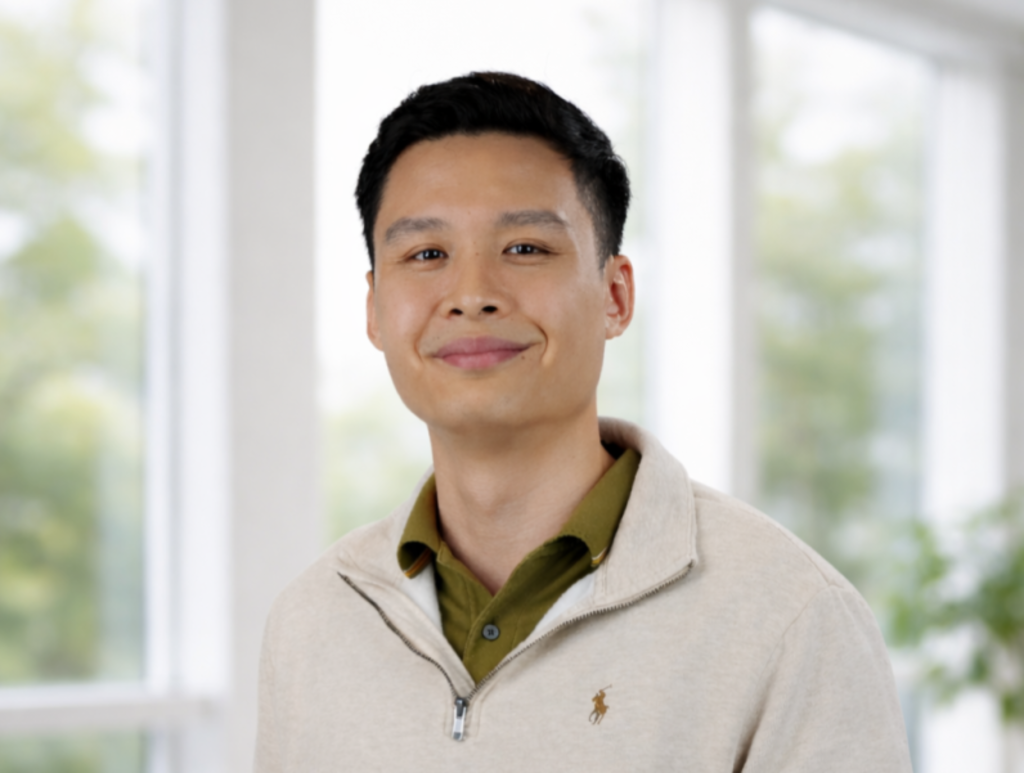
Ryan Tan, principal of PV / Photo credit: PV
With PV being a student-led VC, though, its members had to facilitate the Dehusk investment while dealing with their school obligations, particularly exam season. Tan highlights that PV’s deal team – consisting of himself, Lim, and Shenn Lee – was able to make the investment happen through extensive preparations and due diligence.
“This structure has worked out well for us. Since 2017, we’ve made 12 investments, including two Y Combinator-backed companies,” Lim shares. “That’s how PV has always operated: students making real calls, with real capital, on real companies.”
A bet on food resilience, backed from within
Aside from financial support, PV is guiding Dehusk on how to navigate the Singapore market, connecting the startup with the right channels, communities, and conversations.
As a student-led VC, it also brings in university networks, regional investor and accelerator relationships, and alumni connections across the country’s startup ecosystem.
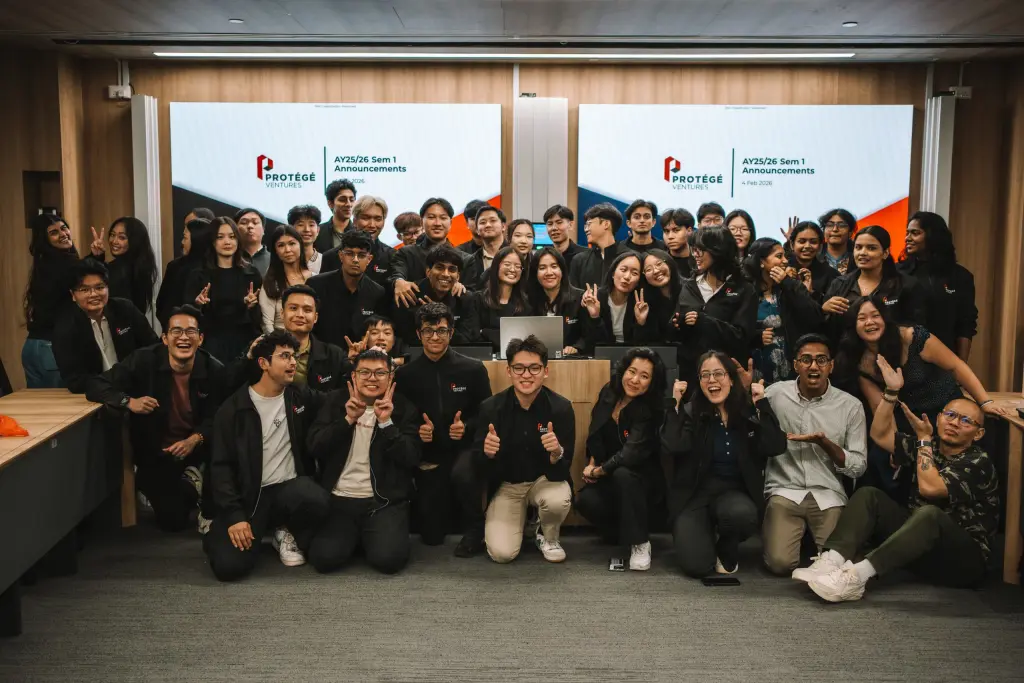
The current members of PV / Photo credit: PV
“Our members are also aligned with Dehusk’s core demographic: young, urban consumers already embedded in cafe culture and digital habits,” Tan points out.
This allows PV to act as a partner that can open distribution channels while providing the consumer insight that makes those channels useful, he adds. He believes this role is important because it shows how student-led funds can participate in the startup ecosystem, not just as investors but as cultural interpreters and network connectors.
Hustling with Dehusk
PV is looking to help Dehusk further with its Singapore expansion. The VC is planning to introduce the Dehusk team to other F&B startup founders as well as potential investors.
Tan hopes that this partnership can add another feather in PV’s cap, strengthening the role that student-led startup and VC networks play in identifying and supporting early-stage ventures.
On that note, PV is also looking at opportunities in the AI and deeptech sectors.
“To be specific, we want to deepen collaborations with institutes of higher learning across Singapore and leverage students’ proximity to commercialize deeptech exploration in Singapore universities,” says Tan.
Protege Ventures is Southeast Asia’s first student-run VC fund, looking to back what it understands from the inside to offer a credible source of capital and support.
Get the latest updates on the fund by following its LinkedIn page.
This content was produced by Tech in Asia Studios, which connects brands with Asia’s tech community. Learn more about partnering with Tech in Asia Studios.
Stay updated on the go with our mobile app.
Get latest insights with smoother, more personalized experience through TIA mobile app.
Recommended reads
 Life’s a game, and AI agents are Animoca’s new play
 Indonesian AI startup goes global
 Forrest Li on scaling Sea, building smarter bots, and founder grit
 An AI assistant that joins sales calls and scores team skills
 Beyond the check: Why VCs need more than capital
 SGX’s CEO says it doesn’t need a unicorn to win
 SMEs want AI too, but not the kind Big Tech is selling
 Oatside’s alt-milk rise hits a profitable gear
 Alibaba’s financial health in 12 charts
 Asia’s telcos bundle AI into mobile plans. Will it pay off?





Editing by Stefanie Yeo and Lorenzo Kyle Subido
(And yes, we’re serious about ethics and transparency. More information here.)