Sumit Chakraberty · · 10 min read
How Chinese unicorn Tujia altered the Airbnb model – and why Airbnb hasn’t adapted, yet
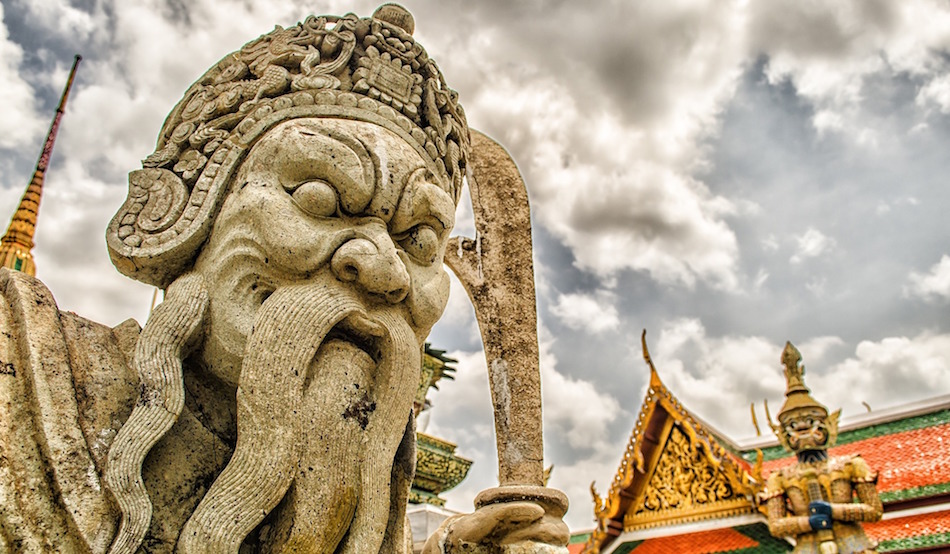
Photo credit: Pixabay.
Baidu is the Google of China, Alibaba is the Amazon of China, WeChat is China’s Facebook and WhatsApp rolled into one – at least to the West. So, does that make Tujia the Airbnb of China?
In a broad sense, yes. Because Tujia – which roughly translates to ‘mid-voyage home’ – serves a similar need for Chinese travelers as Airbnb does across the world.
But there’s a big difference in how Tujia serves that need and dominates the Chinese market. It has developed its own model, adapted for China in a way that Airbnb has found hard to do.
At the outset, we thought it was going to be similar to Airbnb. But at the end of the day, we do a lot more which Airbnb doesn’t bother with.
Airbnb entered the Chinese market in 2015 – the same year in which Tujia became a unicorn. The global giant has been slow to expand in China, with 80,000 listings compared to Tujia’s 400,000.
It has announced a doubling down of investment in its China unit, rebranded this year with a Chinese name Aibiying, which quickly boomeranged on Airbnb. Its literal translation is “welcome each other with love” but it sounded sleazy to many because of sexual innuendoes in the Chinese word.
Still, Airbnb’s efforts at localization do reflect the potential it sees in the still immature Chinese home-sharing market. Going by Tujia’s experience, however, Airbnb will have to do a lot more than branding and investment.
The American way
Tujia’s president Hai Zhuang takes me back to its roots to help me understand why the Airbnb of China can’t be the classic Airbnb. We’re sitting across a coffee table in a Delhi hotel, where Hai is attending a Phocuswright travel conference.
The former software development lead for Microsoft is clad in a T-shirt and jeans. He worked for Microsoft in Seattle and Beijing for over a decade before he “got bored” and took the plunge into entrepreneurship in China with Tujia.
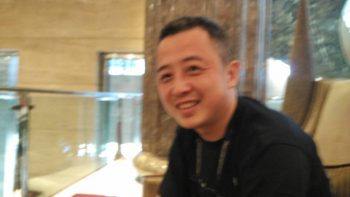
Tujia president Hai Zhuang. Photo credit: Tech in Asia.
He had taken a well-trodden path for techies from India and China, before the entrepreneurial bug bit him. After graduating from Tsinghua University, he went to the US for a master’s degree and then joined Microsoft. Life was good. “It’s a nice place, the tech is great,” recalls Hai. “But I didn’t see a future for myself. At 35, I could foresee how I was going to retire, what kind of homes I would live in, what kind of cars I would drive, and what I was going to do every weekend – go to a shop to buy Chinese vegetables.”
Back home in China, everything was happening so fast, great opportunities were opening up, and he wanted to be a part of it. Finally, he transferred to Microsoft China. But after three years, he still felt disconnected from the excitement he saw around him.
The Chinese way
Vacant properties
Feet on the ground
Government regulations
Battle lines shifting





Stay updated on the go with our mobile app.
Get latest insights with smoother, more personalized experience through TIA mobile app.