This article is a part of Startup Spotlight, a series that features young, up-and-coming startups.
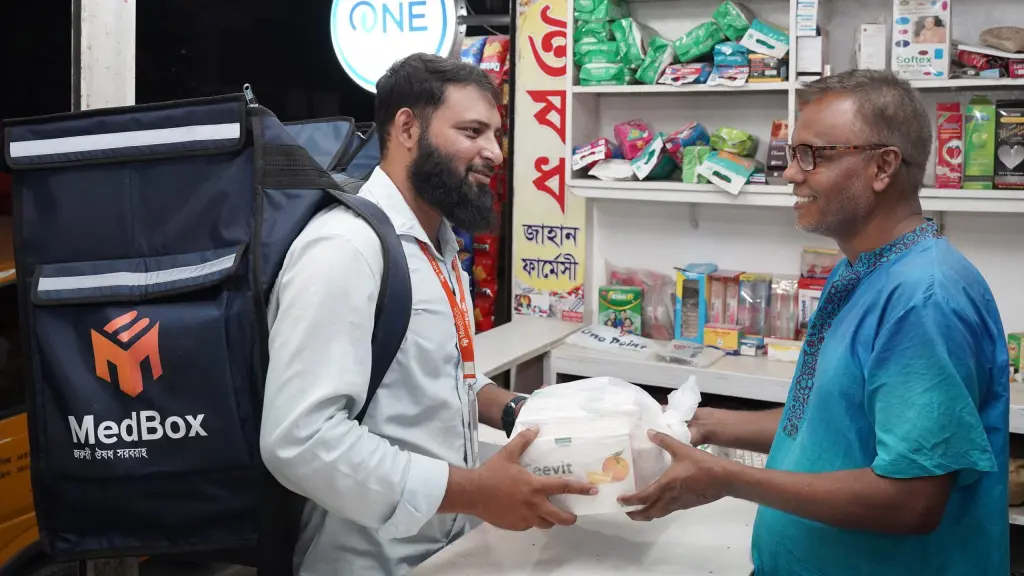
A member of the PulseTech team delivering medicine to a retail pharmacy in Bangladesh / Photo: PulseTech
Arefeen Raafi Ahmed grew up in a family rooted in the pharmaceutical industry, while his co-founder, Kazi Ashikur Rasul, is a tech entrepreneur. They saw how much the industry in Bangladesh still relied on pen-and-paper processes.
Their company, PulseTech, was founded in 2021 to digitize pharmacy operations, but they soon discovered a deeper issue. Counterfeit medicines often enter the system at the pharmacy level through a fragmented and opaque supply chain. Securing this chain became their core mission.
😟 Problem
Retail pharmacies in Bangladesh’s US$6 billion market face operational and financial hurdles. They often pay 5–9% more for products due to multiple intermediaries and a lack of price transparency.
They also risk stocking counterfeit medicines, with an estimated 1 in 10 pharmaceutical products in the country being fake or substandard.
Most pharmacies lack access to working capital. They also lose 15–20 hours a week to manual inventory and supplier management tasks.
💡 Solution
PulseTech provides an integrated B2B commerce platform with embedded financing. It digitizes the workflow for retail pharmacies, giving them a reliable supply chain, better pricing, financing access, and digital tools.
The firm offers three key products:
- MedBox: A data-driven app for ordering authentic medicines directly from manufacturers. It handles last-mile delivery, eliminating intermediaries.
- MediPOS: A point-of-sale system that digitizes inventory, sales, and ordering. Its integration with MedBox allows one-tap reordering.
- Embedded financing: Uses real-time inventory and sales data to help partner lenders assess a pharmacy’s performance, unlocking working capital.
📊 Market size
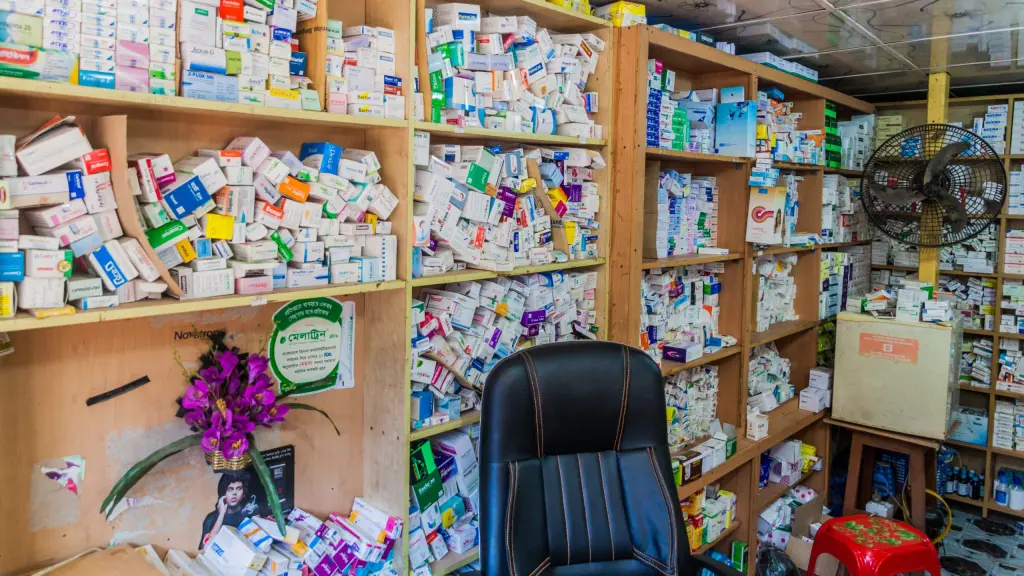
Bangladesh’s retail pharma market is valued at US$6 billion and is projected to reach US$10 billion by 2030. High digital readiness, with 74.5% smartphone adoption, now supports tech-based solutions for the country’s 230,000 pharmacies.
The timing is critical. Bangladesh’s graduation from the TRIPS agreement in 2026 will tighten intellectual property rules and increase drug costs. This will pressure small pharmacies, making access to finance essential for their survival.
🤝 Team
🚀 Traction
🏆 Competition
💰 Financials





Stay updated on the go with our mobile app.
Get latest insights with smoother, more personalized experience through TIA mobile app.