- Insights This article was written by a TIA community member. Insights pieces undergo the same rigorous editorial process that newsroom-produced articles have.
 Ryan Rodenbaugh · · 13 min read
Tencent Music’s business model could offer clues on Spotify’s ambitions
I’ve learned many things while writing my newsletter East Meets West. One of the top lessons is that Tencent is one of the world’s best technology investors
A few weeks back, I started putting together a sheet to map Tencent’s ownership stakes in other companies and was quickly overwhelmed.
Photo credit: Tencent
From a 5% stake in Tesla to a 40% share of Epic Games, Tencent knows how to invest, leverage its distribution, and make connections in China to help companies enter and win in the Middle Kingdom.
As Niko Partners pointed out in a report, in just the gaming segment, Tencent has more than 30 investments in basically all the major game developers.
Today, I’ll be looking into the Tencent Music Entertainment Group, its relation to Spotify, and what the future of Spotify might look like.
The history of Tencent Music
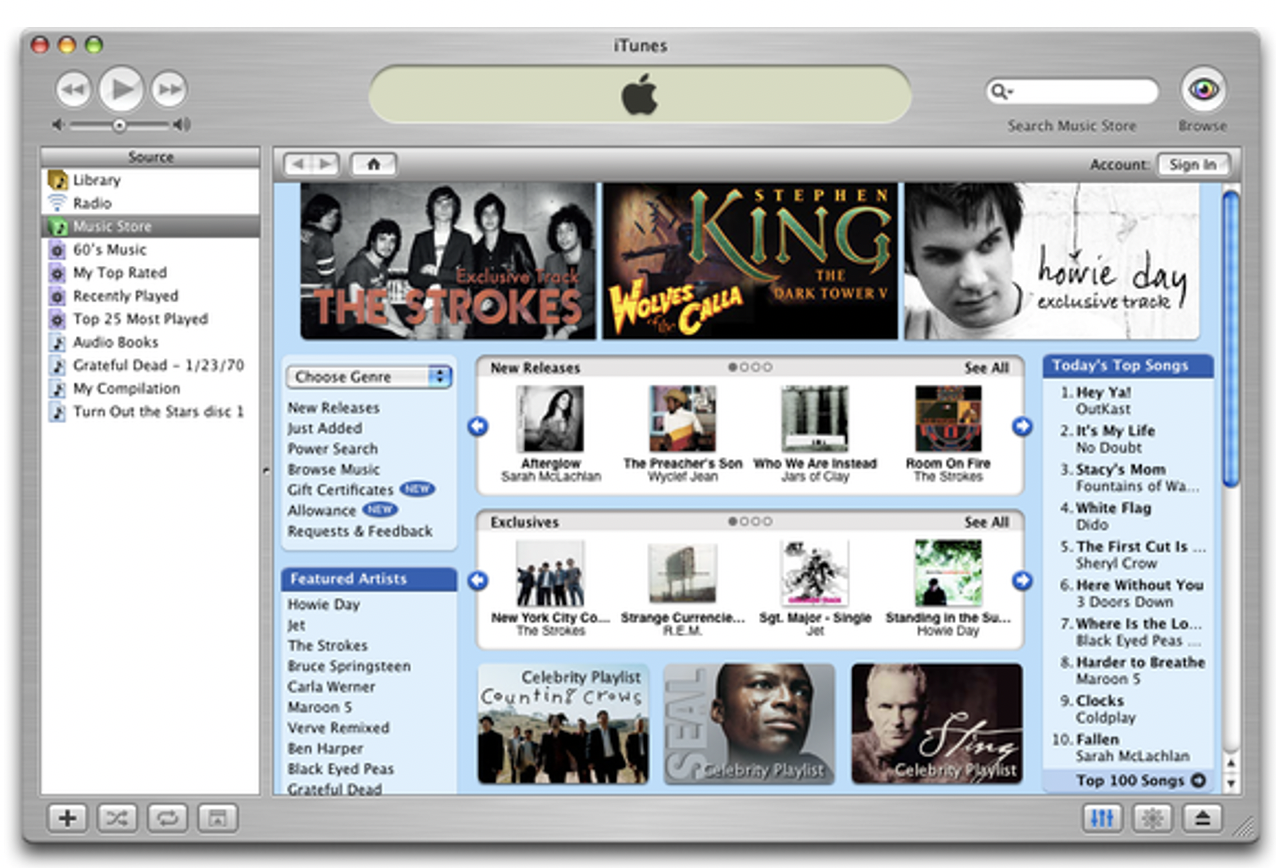
Around the launch of the iTunes Music Store in 2003, Tencent’s QQ messenger (something of a precursor to WeChat) also launched music services.
Then in 2005, those music services were spun out into a standalone product, QQ Music.
Between 2003 and 2006, several other music services were launched in China, including KuGou, Kuwo, Xiami Music, and Baidu’s MP3 service.
During the decade starting in 2003, China’s music industry was characterized by such rampant piracy that by 2013, China contributed almost no revenue to the music business despite having more smartphone users than any other country, .
Tencent
In 2014, Tencent began inking partnerships with record labels, specifically Warner Music and Sony, and earned the right to manage the online distribution of music in China for two of the world’s largest music companies. However, after a decade of getting accustomed to free music, it was tough to get the Chinese audience to pay. In 2014, QQ Music only had 2.8 million subscribers that were paying 10 yuan (US$1.60) per month for ad-free streaming.
From the perspective of the entertainment companies, partnering with Tencent was still a great first step in opening up content monetization in China. The unique thing about these deals is that while they gave Tencent exclusive distribution rights, Tencent also agreed to sublicense the rights to other streaming companies, often at a hefty markup.
China Music Corporation
Spotify and Tencent
Comparing Spotify and Tencent Music
Karaoke
Livestreaming
Spotify social





Stay updated on the go with our mobile app.
Get latest insights with smoother, more personalized experience through TIA mobile app.