Luna Lin · · 4 min read
Chinese capital, know-how boons for ecommerce in Southeast Asia
Southeast Asia’s ecommerce found its legs years ago, and it has been gaining momentum since then. The volume of the region’s ecommerce market grew more than four times from US$5.5 billion in 2015 to US$23 billion last year, with its online shopper population soaring from 50 million to 120 million. By 2025, transactions are expected to reach US$102 billion, according to the e-Conomy SEA report for 2019 published by Google, Singaporean sovereign wealth fund Temasek, and Bain & Company.
As people marvel at the whopping growth potential of Southeast Asia’s ecommerce industry, some begin to question who is really benefiting from its boom. International players, especially Chinese tech firms, rather than local businesses, are reaping the benefits, they say.
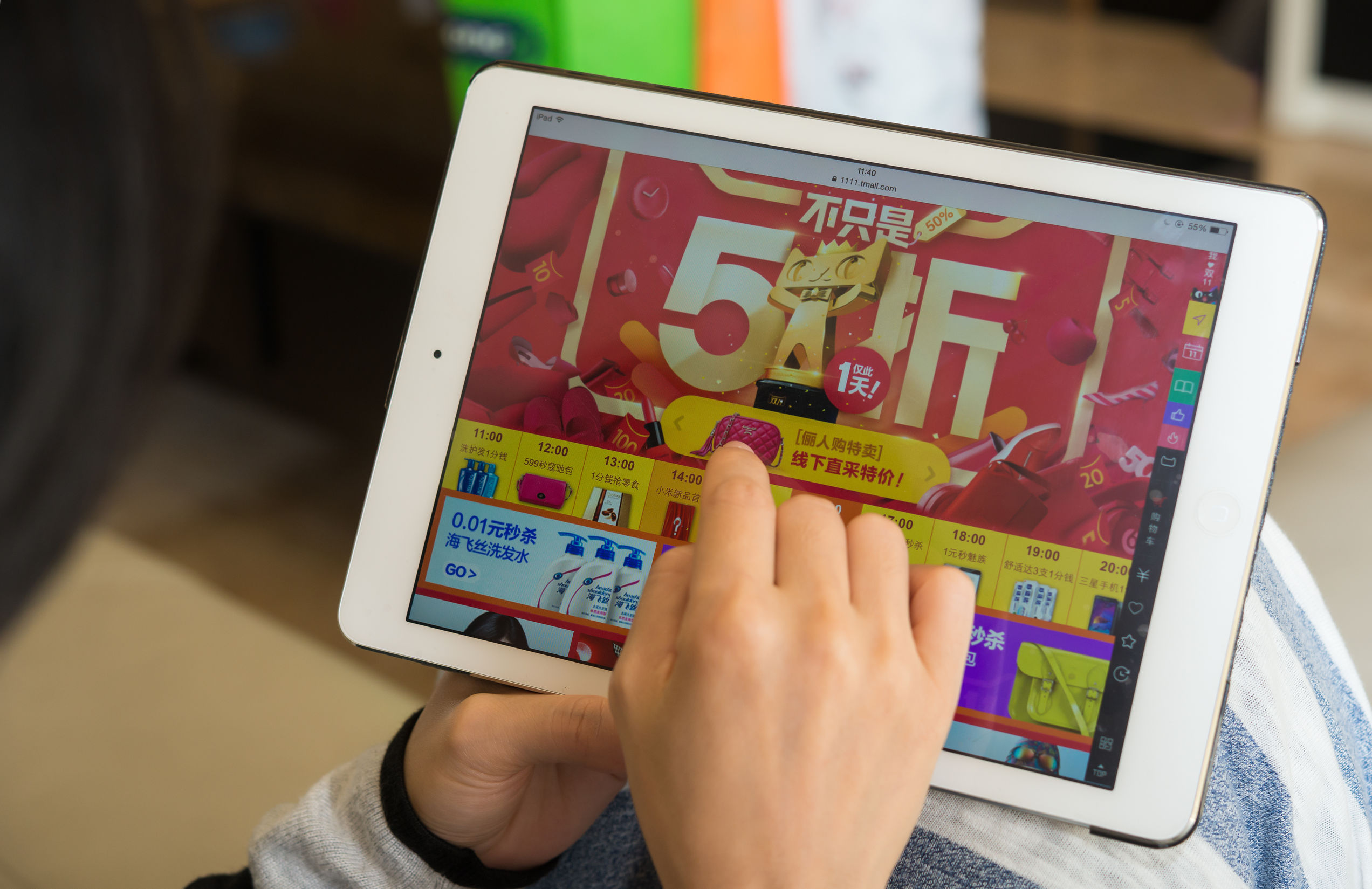
Photo credit: 罗 宏志
One fact is evident: the region’s ecommerce stakeholders favor massive, resourceful foreign companies. Two of the top three ecommerce platforms in the region – Lazada and Shopee – are either owned by Chinese tech giants or have received investments from them. But if the rise of China’s ecommerce industry in the past two decades is anything to go by, we see that tech conglomerates aren’t the only entities that find rewards in this growth; ultimately, the general population’s societal well-being is advanced as well.
It’s now cliché to speak of how rapid advancements related to the internet have changed lives. One neglected tale, however, offers a different look at how ecommerce has reshaped consumer life in China.
Twenty years ago, in September 1999, the now defunct search engine Dreamer.com.cn and 10 state media organizations co-hosted the first and only national Online Survival Contest. The premise was simple: 12 contestants from Beijing, Shanghai, and Guangzhou were each given 3,000 yuan (half in cash and half in online banking credits; altogether worth about US$725 at the time), and those funds would have to sustain them for three days in hotel rooms that lacked bedding, toiletries, water, food, and clothing.
All 12 contestants were cut off from the outside world. Their only means of communication with people outside of their rooms was the internet. At the time, the idea was to demonstrate that web-based tools and transactions would redefine our daily habits. Looking back now, it exemplifies the humble beginnings of China’s ecommerce industry.
Chosen from a pool of more than 5,000 applicants from across China, the room-bound dozen had varying levels of familiarity with the internet. Some had been online for one or two years, while others have never used the internet before and didn’t even have an active email account.
Their choices for food and shopping services were limited. Only a handful of businesses in tier one cities accepted online orders, and the limited number of small ecommerce platforms were hardly able to process and deliver orders within 72 hours, much less on the same day, due to limitations in banking and logistics. One 18-year-old college student from Beijing had to drop out of the contest because he was unable to get any food or water in the first 26 hours of the contest.
Coinciding with the China’s first ever international ecommerce expo, the Online Survival Contest was designed to demonstrate the potential of the Middle Kingdom’s ecommerce industry. It was similar to an event hosted by Microsoft’s United Kingdom business a year prior.
In 1999, when the contest was held in Beijing, Shanghai, and Guangzhou, China saw the birth of its first ecommerce platforms, including China’s first B2C platform 8848.com, Alibaba, and Dangdang.com. Just two months before the contest, there were 4 million people connected to the internet in China – at the time the seventh-largest economy in the world. Nearly 1.5 million computers were connected to the web, almost doubling the figures from six months before that.
And yet, even after the contest, spectators were left unimpressed. Only one contestant was able to acquire bedding and have it delivered. Everyone else slept on bare bed frames the whole time. All contestants subsisted on steamed buns and soy milk because one restaurant chain, Yonghe Dawang, was the only F&B business that took online orders.
Most people were unable to spend their online banking credits because few outlets accepted them at the time. To put it bluntly, 20 years ago, ecommerce looked bleak and unattractive to the pedestrian. But, very soon, an influx of foreign capital and market know-how into China’s ecommerce industry would lead to a sea change.
Now, with tried and true platforms of every ilk in place in China, consumers in the country have a plethora of options for products and services that they can access online, often via their phones.





Stay updated on the go with our mobile app.
Get latest insights with smoother, more personalized experience through TIA mobile app.