 Doris Yu · · 4 min read
Temasek-backed startup wants to transform AI black boxes into glass ones
The global AI market is expected to expand rapidly. It was valued at US$39.9 billion last year and is projected to rise at a compound annual growth rate of 42.2% from 2020 to 2027, according to Grand View Research.
BasisAI, a company started by a trio of prominent Singaporean data scientists, aims to capitalize on this. It had raised money from prominent VC Sequoia India and state fund Temasek even before it launched a commercial product – a rare move for these investment firms.
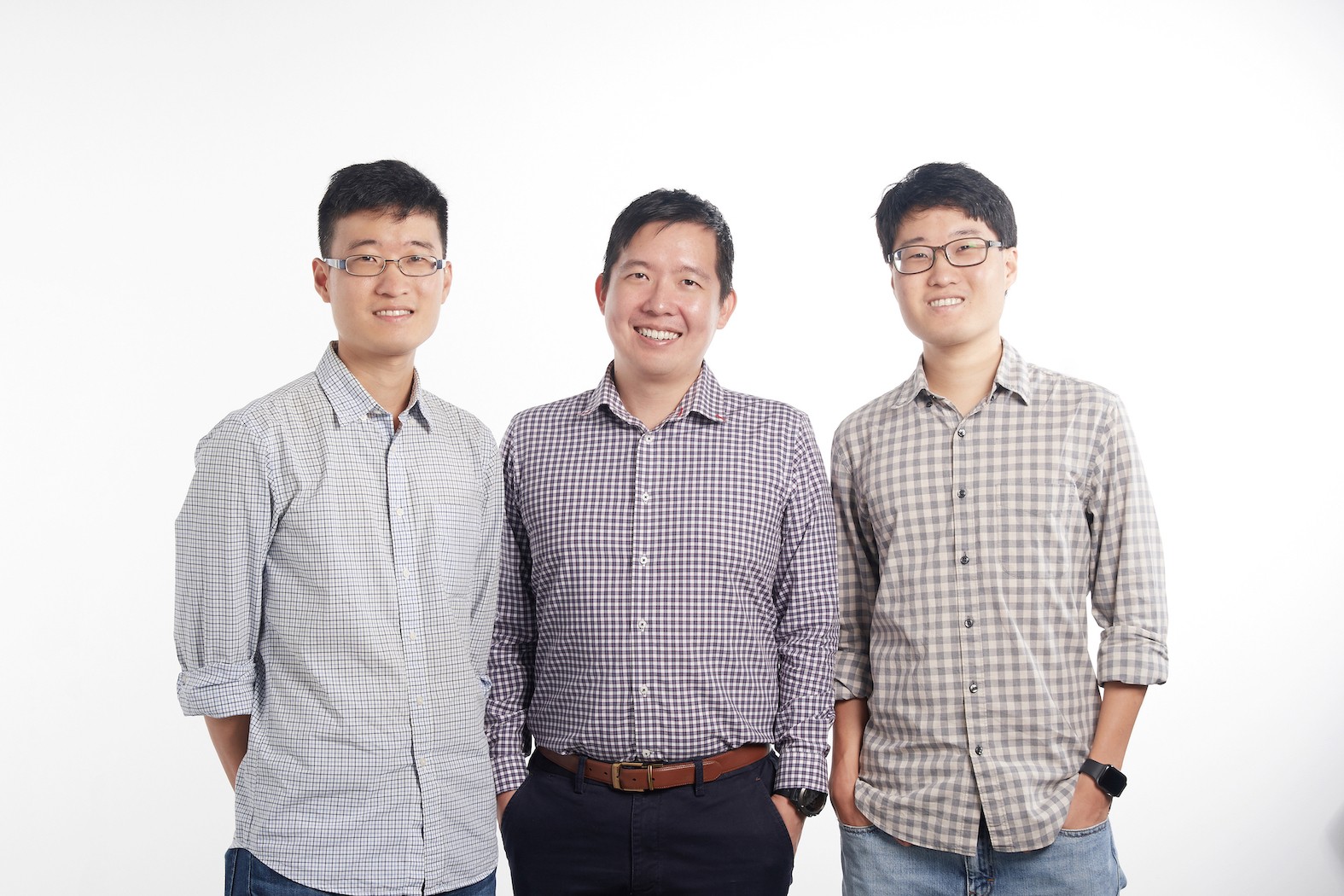
BasisAI co-founders (from left): Silvanus Lee, Fengyuan Liu, and Linus Lee / Photo credit: BasisAI
Many companies are also riding the AI wave. One of the established players in Asia is China’s SenseTime, which has raised a total of US$2.6 billion in funding rounds from SoftBank Group, Alibaba, and Tiger Global Management, among others, according to Crunchbase.
There’s also Singapore-based Near, which raised US$100 million in a series D funding round and uses AI to derive insights from location-based data.
However, Fengyuan Liu, co-founder and CEO of BasisAI, tells Tech in Asia that his company is different since it’s “an enabler,” whereas SenseTime and Near are more akin to a “specific intelligence solution” provider for enterprises.
SenseTime focuses on products that provide facial recognition while Near is about location intelligence, which are types of “narrow AI services and products.” BasisAI, however, offers enterprises a path to develop their own AI capability, Liu says.
In other words, rather than building specific end-user products, it helps enterprises develop bespoke AI applications such as product personalization, pricing, or forecasting engines.
AI black box
Machine learning systems are described as black boxes for a reason: They lack full transparency and may display unintended bias against minority groups or certain genders.
While the technology itself is a mathematical tool devoid of human bias, algorithms may inherit societal prejudice from the data they digest.
Take predictive policing algorithm for example: BasisAI noted in a blog post that it could be dirtied by historical arrest and conviction patterns of a police force already rife with institutional bias.
“Robust AI engines require oversight, ongoing monitoring, and compliance. Ultimately, it is up to humans to ensure that machine learning systems are put to good use and are accountable,” the company added.
To help open up the black box, BasisAI aims to develop a “responsible, transparent, and explainable” AI platform.
Its debut product Bedrock, an end-to-end machine learning platform, helps data-driven enterprises deploy AI in the real world “responsibly.”
Data science trio





Stay updated on the go with our mobile app.
Get latest insights with smoother, more personalized experience through TIA mobile app.












📅 Upcoming Events
22 October 2026
Payoneer x CSPN Summit 2026