- Premium Content It takes our newsroom weeks - if not months - to investigate and produce stories for our premium content. You can’t find them anywhere else.
 Aditya Hadi Pratama · · 5 min read
Behind Ula’s entry into social commerce
When Nipun Mehra arrived in Indonesia and saw how mom and pop stores (warungs) worked in the country, he was reminded of his time growing up in Delhi’s busy market area.
In both countries, merchants often operate out of their own homes and become anchors for social interactions in their neighborhoods.
That’s why, according to Mehra, who is the co-founder of Indonesia-based B2B marketplace Ula, it was a natural journey when the company launched its social commerce feature in June last year.
“In Indonesia, commerce has always been social. Yes, social can mean Instagram, Facebook, and WhatsApp, but social also means relationships,” he tells Tech in Asia.
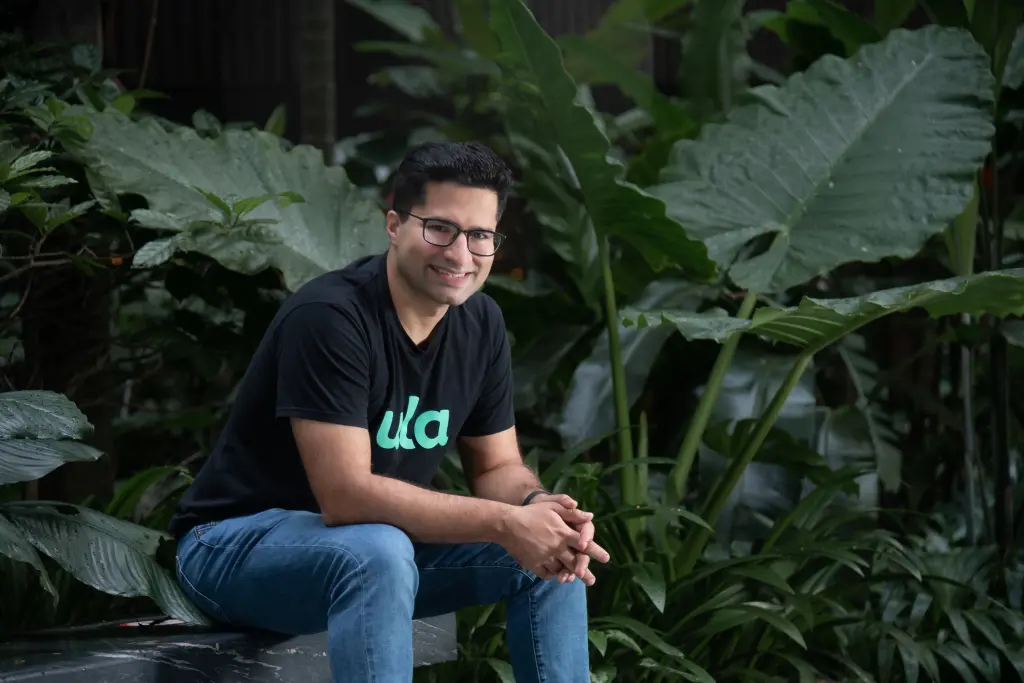
Ula co-founders Nipun Mehra / Photo credit: Ula
Called Teman Ula, the new feature that means “Ula’s friends” in English, is a service that allows small neighborhood retailers in the firm’s ecosystem to offer more products than what they usually provide to customers.
For example, a warung that only sells cigarettes can start to aggregate demand from its customers for oil, chicken, and other products. The order will be delivered to the warung in the same way that the cigarettes are usually delivered.
In the last six months, Teman Ula’s registered users have grown 20x. Its number of transactions are now at around 70,000 orders per month.
“Our target is to make Teman Ula’s contribution to our business reach 40% in the next 18 months,” Mehra says.
While that’s a very ambitious target, the co-founder believes it’s achievable – the company saw 80% of Teman Ula’s users make a repeat transaction in the following month. Some of the users even made up to 14 orders in a single 30-day time period.
More offerings equal more income
Ula was founded in 2018 to improve how neighborhood stores run their businesses. The company made headlines when it raised a US$110 million series B round in November last year from prominent investors such as Tiger Global, Tencent, and Bezos Expeditions, the investment firm of Amazon founder Jeff Bezos.
The firm’s first offering was a solution that aimed to help warung owners source goods. Then it complemented the service with a credit product that let merchants to buy products and pay for them later. Currently, Ula provides the service itself, but in the future, it may collaborate with other financial institutions.
However, the company saw another problem: Warung owners usually only focus on selling specific products to limit the need for storage space and to minimize waste. But this meant that merchants weren’t able to fulfill all of their customers’ demands.
“Sometimes, people need to buy several items – from toothpaste, shampoo, garlic, to chicken. And if the merchant doesn’t have some of those items, [customers] will go to another place,” Mehra says.
Piggybacking on the existing supply chain
Stay ahead in Asia’s tech landscape
This is premium content. Subscribe to read the full story.
Jeff Bezos-backed Ula said that the number of transactions for its social commerce feature, Teman Ula, are now at around 70,000 orders per month.
We know this is not ideal. ⌛ Sign up in 20 seconds. Cancel anytime.
Our subscriber community includes professionals from these companies:





Stay updated on the go with our mobile app.
Get latest insights with smoother, more personalized experience through TIA mobile app.










📅 Upcoming Events
22 October 2026
Payoneer x CSPN Summit 2026