J.T. Quigley · · 7 min read
Here’s the winner from Tech in Asia Tour Seoul’s pitch contest, our first event in South Korea
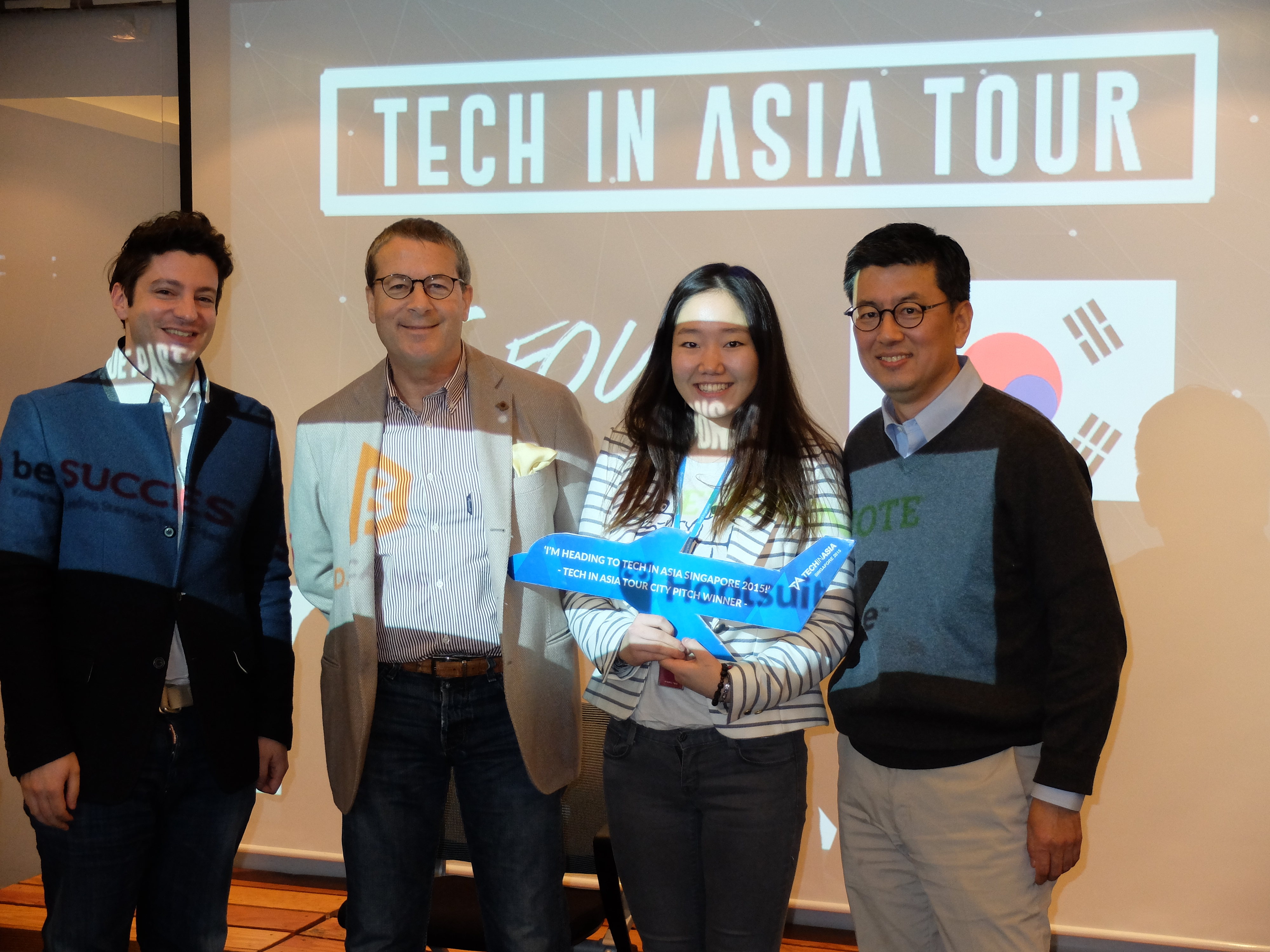
Tech in Asia kicked off its first event in South Korea tonight. Tech in Asia Tour Seoul was the seventh stop on our globe-trotting pitch contest, with the goal of tracking down the region’s best startups. The winner – which you’ll have to read to the bottom to find out – will be provided with round-trip airfare, accommodation, event passes, and a startup booth at Tech in Asia Singapore on May 6 and 7.
Three local investors joined the tour to critique each startup and ultimately crown the victor: Mark Tetto, managing partner at TheVentures Co.; Peter Kennedy, executive chairman for Asia at Hubert Burda Media; and Michael Hong, president and CEO of Red Herring Inc.
Without further ado, here are eight of South Korea’s hottest startups.
Frasen
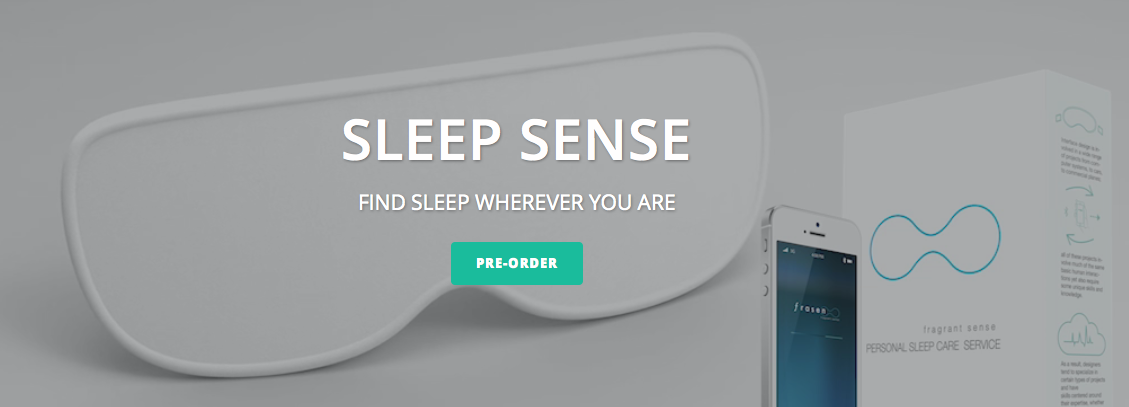
Sleep studies require staying in a hospital and getting electrodes attached all over your body. Frasen’s Sleep Sense mask and companion app aims to help users fall asleep faster and get a better rest – all without unhealthy and potentially habit-forming sleeping pills. The US$250 mask features bone-conduction speakers, LED diodes, and an EEG electrode that collect and transmit neurological data to a wearer’s smartphone. They must also pay a US$5 a month subscription fee for the analytics.
“You know how long you slept last night, but you don’t know how well you slept last night,” explained Frasen CEO Hyojun Woo.
The judges thought the idea was good, but pointed out that the pitch didn’t even touch on how the device worked. They also wondered how LED lights can help you sleep. “I thought dark was the best for sleep,” said Kennedy.
“Instead of saying your market is everyone with a bed and pillow, tell us how many people spend an x amount of money on sleeping pills and how your product is a healthier option,” Tetto added. “It’s a smaller market, but it’s more compelling to an investor.”
KPOP United

KPOP United measures global social demand for K-pop artists and shares that data with promoters. Its Krowdpop service then acts as a concert crowdfunding platform for bringing popular artists to cities around the world that demand them. Richard Peterson, KPOP United’s strategy director, said that genre (Korean pop, if you’ve been living under a rock) generates US$3.4 billion a year.
“The crowdfunding aspect eliminated financial risk for promoters,” he said. “Backers get a full refund if their concert doesn’t reach its funding target.”
The judges asked, despite being a current pop culture phenomenon, why the startup limited itself to K-pop when the entire concert industry could benefit from disruption.
Cong Kong
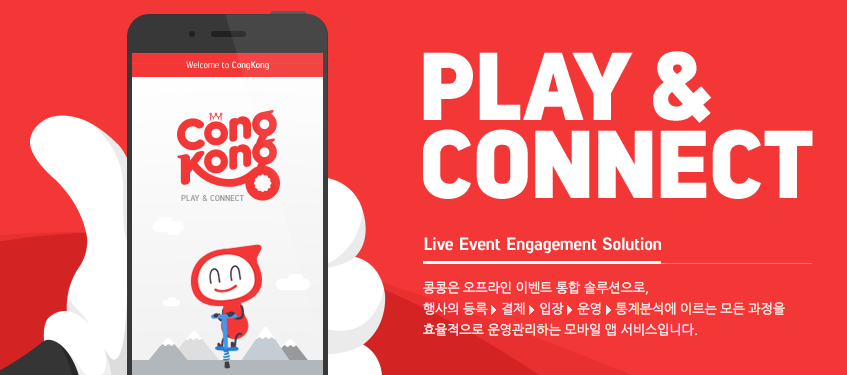
Cong Kong gets its name from the Korean word for the sound of your heartbeat when you meet someone new. It’s an event management app for organizers that adds online-to-offline games to improve engagement among attendees and a baked-in SNS for them to keep in touch after the event ends.
The judges were confused by Cong Kong’s business model and what made its additional services more enticing than existing networking tools.
Bridge Mobile

Bridge Mobile is a free VoIP service that works in the background and allows Android users to place a call through the phone’s default dialer. The catch is that calls are only free when the person you’re calling also has the app installed.
The startup boasted more than 2 million total downloads and 40 million referrals sent, and also claims to be saving users a combined $650,000 on paid phone calls.
Hong was quick to point out that getting eventual iOS approval for an app that modifies the stock dialer would be next to impossible.
Send Anywhere

Send Anywhere has a simple concept: securely send files of any size and quantity to anyone without sign-ups or logins. “Securely” is a key word here, with file sharing giants like Dropbox – even blockbuster messaging app KakaoTalk – embroiled in privacy and hacking scandals. There’s also the issue of size limitations – Gmail, for example, limits attachments to 25MB without using Google Drive.
Send Anywhere ditches the cloud and accepts multiple platforms; all a user has to do is upload their file and share a six-digit key with the recipient.
Minchi Park, Send Anywhere’s head of marketing, said the service has attracted 700,000 monthly active users, with 40 percent in the US and Europe. Their monetization comes from a B2B2C model that allows companies, like current partner Samsung, to use the Send Anywhere API.
Jandi
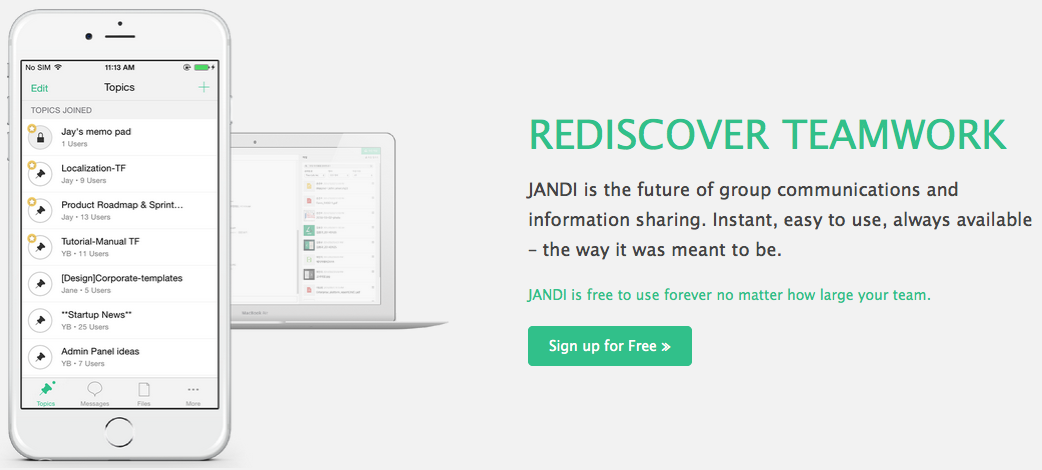
Daniel Chan, CEO and co-founder of Jandi, said that his startup wants to solve two major problems: One is the productivity drain associated with managing our inboxes, which many people use for messaging, file sharing, task management, calendaring, and collaboration. The other is the disconnect among services like Line, Dropbox, Trello, and Sunrise, which are often used in tandem rather than centralized into a single app. Jandi is a team collaboration platform that allows users to tackle all of those things in one place.
Chan acknowledged that competitors exist in the team communication and collaboration space, but said there are no clear rivals in Asia. He also said that Jandi recently added a Fortune 500 company to its user base.
The judges – and the audience – loved Chan’s presentation, but wondered if Jandi could go head-to-head with the likes of Slack.
Ybrain
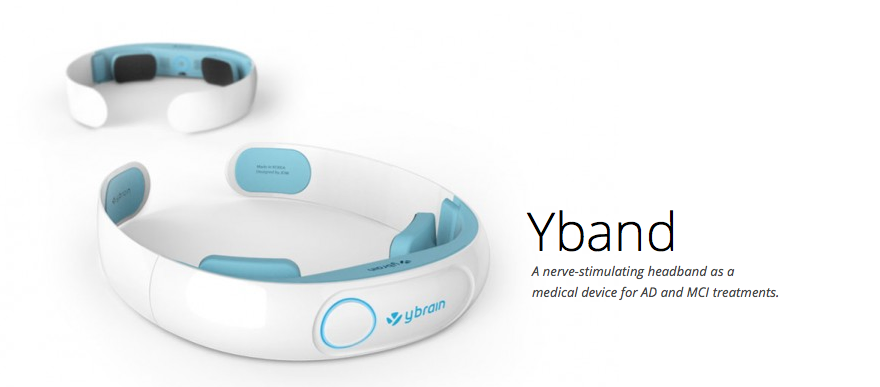
Ybrain is a neuroscience-focused medical hardware startup. Its wearable device, Yband, provides electrical stimulation to the brain that the startup claims is safe, comfortable, and without side effects. The team is focusing on both diagnosis and treatment Alzheimer’s disease and Mild Cognitive Impairment (MCI), a precursor to Alzheimer’s.
Apart from pointing out the long road to official medical approval by government authorities, Kennedy asked what everyone in the audience was likely thinking: “how do we know it works?” Jason Kim, a senior engineer at Ybrain, said that the startup’s visor is currently in clinical trials at major hospitals in South Korea.
Ediket
Min Kim struggled with writing assignments while studying abroad in the US. That motivated him to found Ediket, a proofreading service for the general public.
“Editing is usually a premium B2B service, not for students or regular people,” he said. “Our goal is to democratize proofreading.”
Hong asked how users can be sure they’re getting a qualified proofreader, because Kim described his editing staff as being like “Uber drivers” who use the service to supplement their existing income. Kim replied that the service allows users to like, block, and favorite proofreaders, but didn’t go too deep into the specific process for sourcing them in the first place.
Ediket’s average proofreading time is just under nine minutes for 100 words, and Kim said that requests range from help with writing a letter to a penpal to scrutinizing a university thesis.
Judges’ feedback
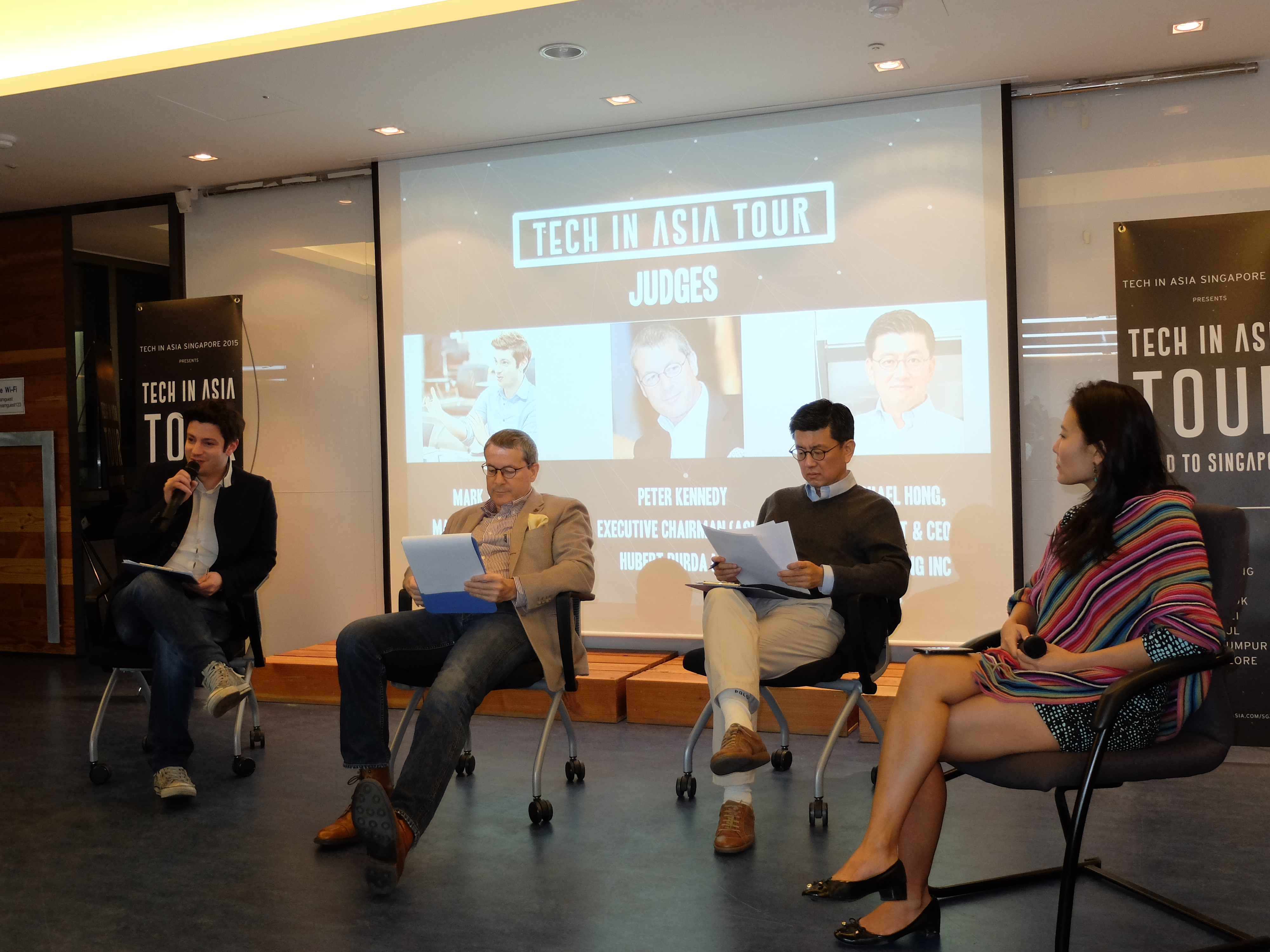
Hong started with general feedback for the majority of the event’s presenters: “Start with what your product is all about or what the problem you’re trying to solve is. Don’t just talk about product without having something to say regarding feedback from your customers. We want to know why to care.”
Kennedy added: “You only have five minutes, so if you can’t get across what your product is and who it is for, you’re finished. Don’t dive into data and stats without describing your product, what it is, what it does, and who it’s for.”
Speaking to Frasen and Ybrain, Tetto said, “There’s a gimmick element for medical-related startups, so you need to get these things validated by real medical professionals.”
In the end, despite a compelling pitch from Jandi, they chose Send Anywhere for its smart concept and proven traction. Congratulations to the winner and a big thank you to our partners in Korea: D.CAMP, beSUCCESS, and G3 Partners.
Stay updated on the go with our mobile app.
Get latest insights with smoother, more personalized experience through TIA mobile app.
Recommended reads
 Binance, YG team up for metaverse, blockchain projects
 Ask us anything at Founders Meetup Vietnam!
 Interpol issues Red Notice for Terra co-founder
 One step closer to virtual reality for an anime metaverse
 Crypto.com to launch app in South Korea on April 29
 Indonesia raises ride-hailing fares amid rising fuel prices
 The official unofficial tier list of priorities for expansion in Asia
 What is Hodlnaut hiding?
 So you think you know startup growth
 Letter to readers: Ecommerce logistics heat up in Vietnam





Editing by Charlie Custer
(And yes, we’re serious about ethics and transparency. More information here.)