Disclosure: The author is the Senior Technical Client Partner at Red Ant.
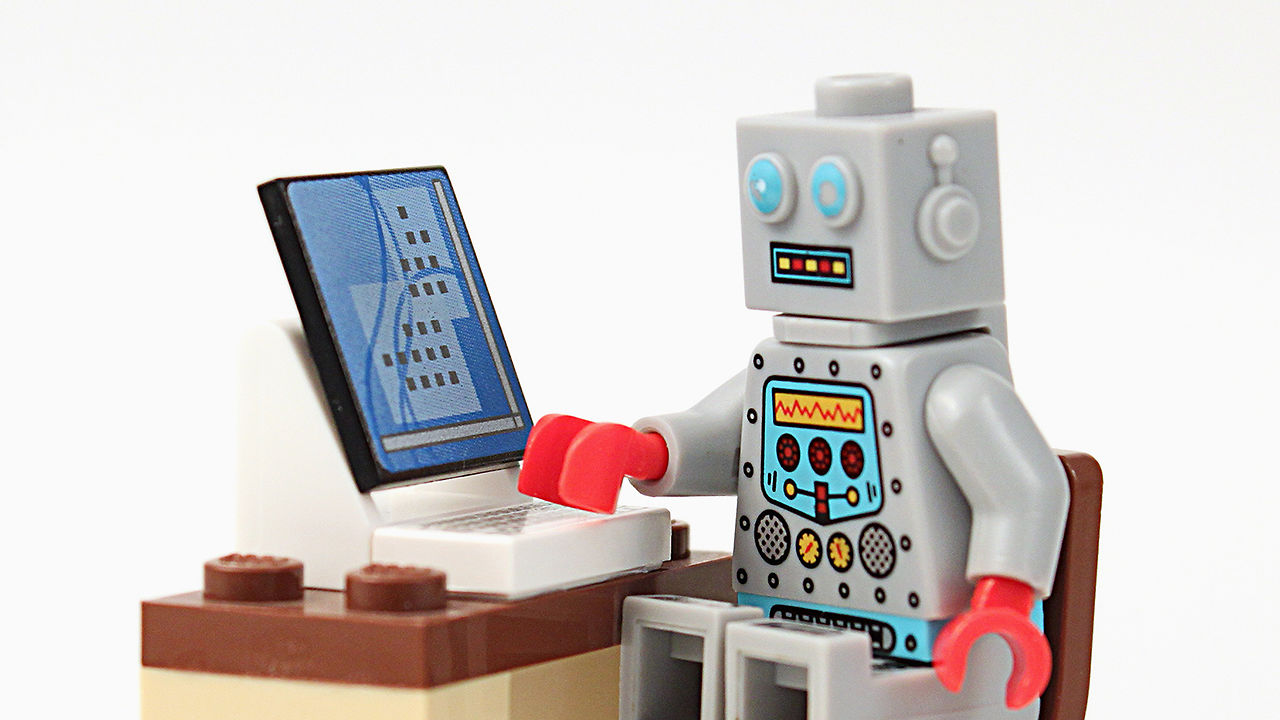
Photo credit: Shutterstock
There has been a lot of buzz recently about AI chatbots and how brands can use them to engage with customers; there is no doubt that over time, they will continue to grow and become a more seamless part of everyday customer engagement.
I wanted to give some insight into the creation of an AI chatbot with less focus on the technical aspects and more about the “things they don’t tell you” when you get involved in this kind of projects.
How Antony was conceived
First, a bit of background – Red Ant developed Antony the AI chatbot as a proof of concept for the Retail Asia Expo, where he served as a virtual concierge, giving details about food and beverages options, key locations around the expo, real time weather and background information on Red Ant.
The majority of AI chatbots use a messenger-based communication tool between AI and customer, but with Antony, I wanted to take him a step further and introduce verbal communication as a way of engaging with him – a method of bridging the gap between virtual and real world interaction; by essentially replacing touch interaction with verbal interaction.
Educating Antony
Developing Antony required integration of three technologies – speech-to-text (his ears), machine learning (his brain) and text-to-speech (his voice).
When experimenting with speech-to-text technology, we did a ton of research on the different technologies available, mainly for multi-language capabilities and detecting accents.
One issue the development team encountered was with Antony’s original name, Antonia – we found that “her” name couldn’t consistently be recognized by the algorithm, which usually returned Antonio – so, with a last minute sex change, Antony was born.
Part of the fun of developing an AI chatbot is the ability to define their characters through what words and nuances we train it to use in response to a question. While the developers worked on the nuts and bolts of Antony, I worked on his speech responses, so he ended up having a lexicon similar to mine.
Giving Antony a multilingual voice
The last piece in bringing Antony to life was his voice. We spent several hours testing different settings for speech output, and finally settled on a male voice with an English accent, a nod to Red Ant’s English roots.
Antony’s first words were, “Hi my name is Antony, tell me, what’s your name?” – words that would be forever etched into our memories due to the repeated testings we did, with Antony saying the same phrase over and over again.
Our greatest challenge was developing his multi-language capabilities, not due to the limitations of him understanding Cantonese or Mandarin, but in keeping his tone of voice, personality and lexicon similar across different languages, which isn’t just a simple matter of translating the English base.
Even his name “Antony” might need to be translated to the Chinese equivalent, which could be difficult as the “Ant” in Antony is a play on Red Ant, which probably won’t work in Chinese.
Getting him ready for the future





Stay updated on the go with our mobile app.
Get latest insights with smoother, more personalized experience through TIA mobile app.













📅 Upcoming Events
22 October 2026
Payoneer x CSPN Summit 2026