- Insights This article was written by a TIA community member. Insights pieces undergo the same rigorous editorial process that newsroom-produced articles have.
 Mohit Mamoria · · 5 min read
What the heck are decentralized hedge funds in the blockchain space?
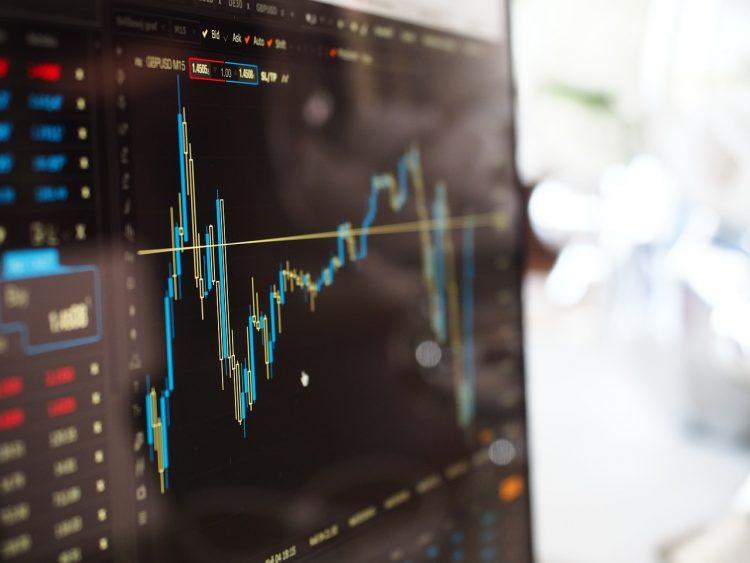
Photo credit: Pixabay.
Blockchain, cryptocurrencies, trading, mining, and a new buzzword—hedge funds. The term usually used in financial markets has made its way into the technological arena. There are engineers building, managing, and scaling something called hedge funds. They are recommended as the best way to make investments in crypto assets.
But the question for the rest of us is , what are hedge funds and how are the good ones picked? Let’s find out.
What is a hedge fund?
It’s an investment vehicle.
Setting aside the legal part, you can think of a hedge fund as a pool of assets in various proportions managed by fund managers. A typical hedge fund in the stock market manages various securities for several companies to create an overall pool. Because the pool is diverse, meaning no one asset dominates, the risk goes down. In other words, the risk is hedged, thus the name.
Are all hedge funds the same?
All successful hedge funds are built on a unique insight that fund managers have about the market. That insight allows them to leverage a certain market opportunity that no one else previously did. Building on this market opportunity, a hedge fund can attract investors to put their hard-earned money into the hands of fund managers.
What separates hedge funds from each other is the unique insight each of them is built on and the process of decision making within a fund.
Is there more than one process for decision making?
Yes, there are two processes: conventional and decentralized.
The standard strategy for making decisions in a hedge fund is to hire smart people, put them in a room, and ask them to make bets in markets. Every individual makes their own bets in the market and, depending on the decision, the value of the fund will either go up or down. The variable incentives for these decision makers (or fund managers) are in proportion with the returns they yield for the fund.
A manager who consistently makes good decisions makes more money than one who regularly makes bad bets. That’s the traditional way to reach a decision in a hedge fund. On average, a hedge fund employs 200 to 250 fund managers to take care of the fund and the investors’ money. Such a fund is as good as the 200 people hired by the fund.
Then, some smart folks have started asking, “Are 200 people enough? Can we leverage the smartness of people at scale?” The answer led to the decentralized form of decision making.
How does decentralized decision making work?
The winds of decentralization have not left the management of hedge funds untouched.
Is it really that simple?
What are some of the economics that must go into decentralized decision making?





Stay updated on the go with our mobile app.
Get latest insights with smoother, more personalized experience through TIA mobile app.








📅 Upcoming Events
22 October 2026
Payoneer x CSPN Summit 2026