Alexander Leung · · 5 min read
A look at Vietnam’s startup coworking spaces: Saigon Coworking
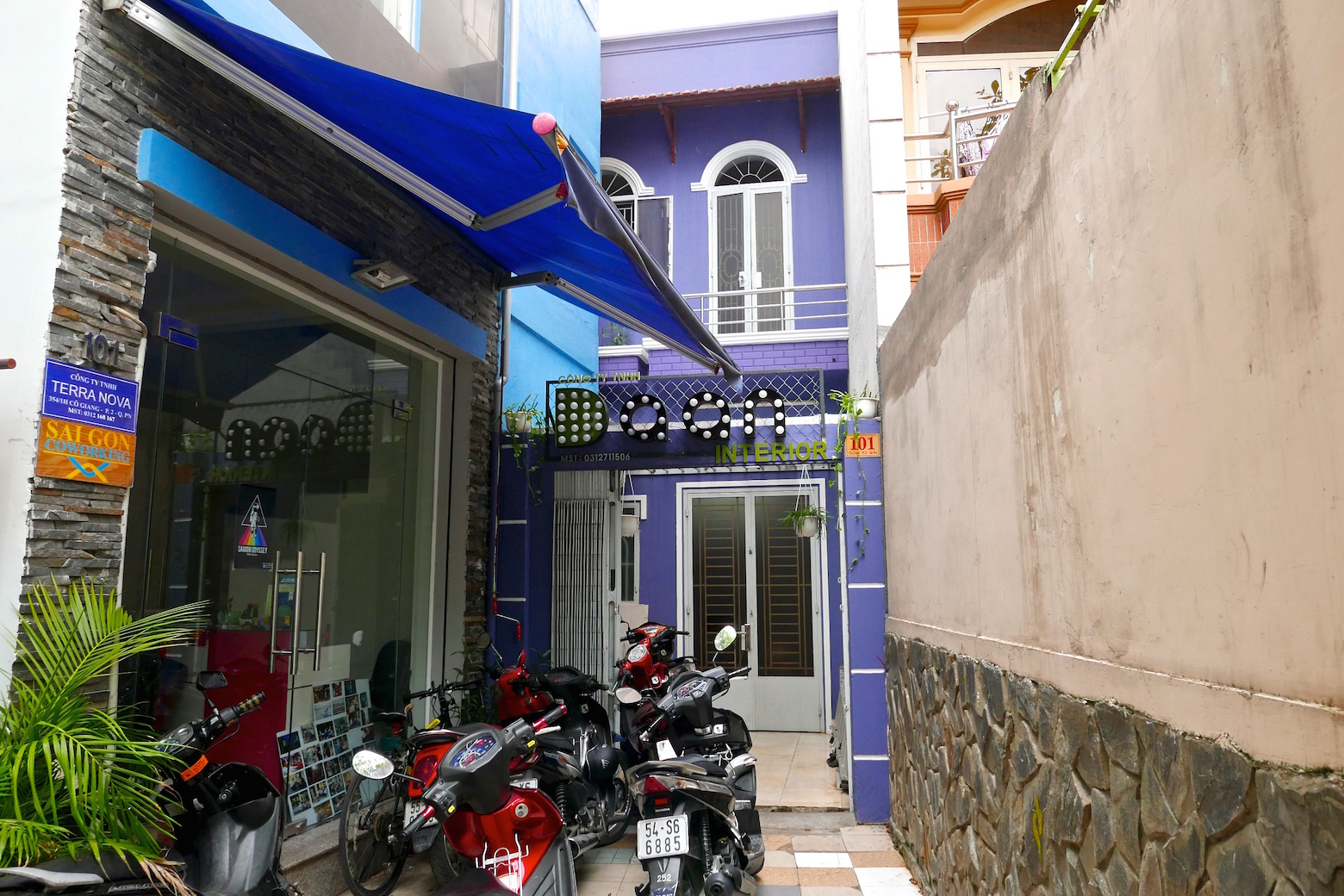
Image Caption: Saigon Coworking is tucked away in a little alley. I later found out most of the coworking spaces were hidden away like this.
Saigon Coworking
101 Cù Lao, phường 2, Hồ Chí Minh, Vietnam
saigoncoworking.com
—
Vietnamese culture feels like it embodies the spirit of startups and entrepreneurialism. The mindset here is like Shia LaBoeuf – JUST. DO IT. There’s a feeling in Vietnam that you can start immediately and figure it all out later (sometimes for better or for worse). It’s not uncommon to see a family with multiple things on the go. They might rent out an apartment complex, sell goods on the ground floor of said apartment AND have another full-time job on top of that. Even when crossing the streets, the scooters, cars and people are always in perpetual motion. The spirit and energy here is inspiring.
While in Vietnam, I tried to meet the most prominent startup hubs in HCMC and the first one to reply back was Saigon Coworking.
Upon entering, I was greeted by Ni Le, one person in a small team that runs the space. The first thing I noticed about Vietnam’s coworking spaces is that there’s no fascination with the “one floor, swaths of desks” layout, a trend for most spaces elsewhere. It’s especially apparent in Hong Kong, where even though it’s expensive as hell to find that much space on one floor, it’s still the thing to do. The spaces here are converted from old houses that resemble houses in Amsterdam – they’re built quite narrow, and shoulder-to-shoulder.
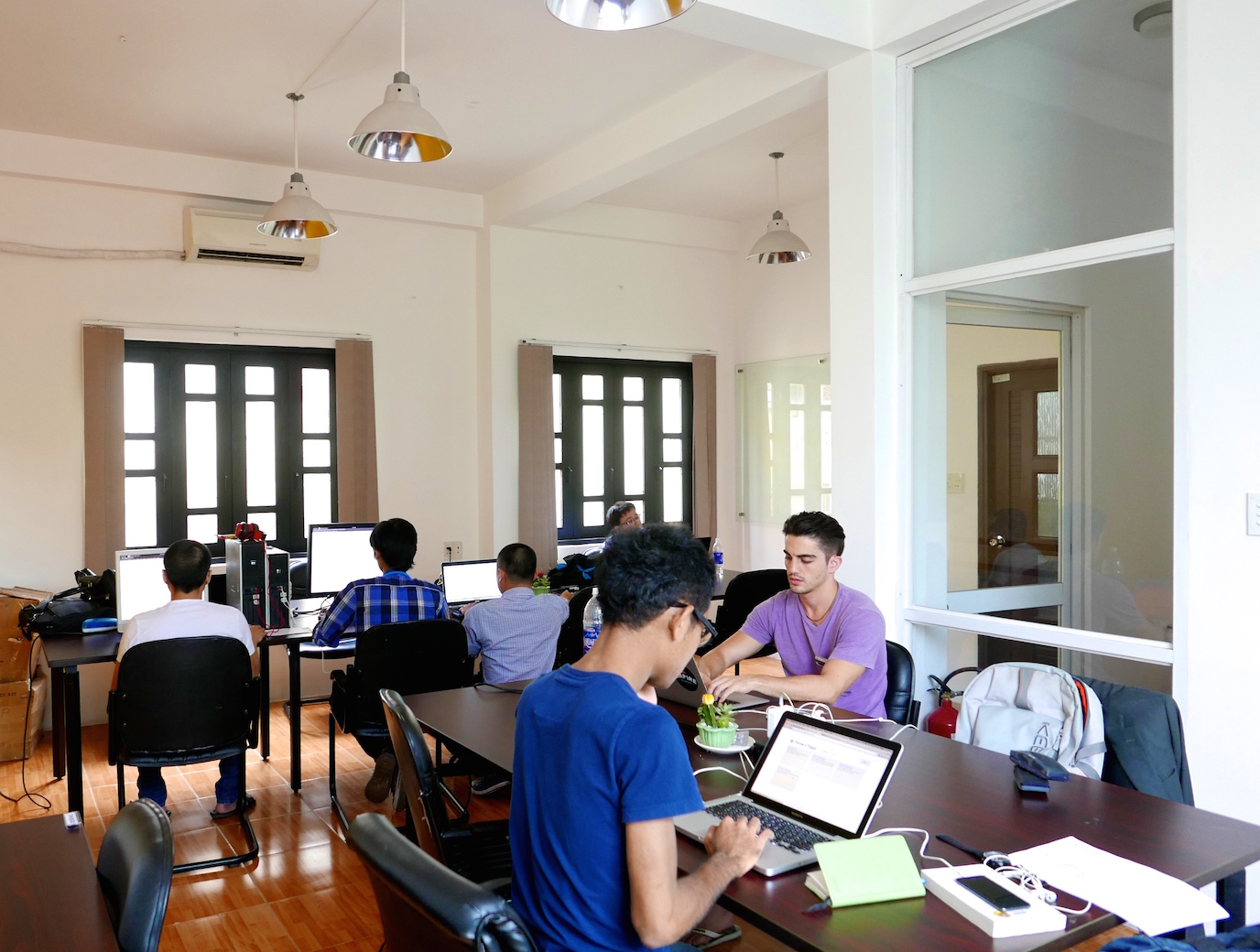
Image Caption: Vietnam’s coworking spaces are mostly renovated narrow houses, with about 10 – 15 desks per floor. Each house is usually 4 – 8 floors high.
Because startups have great communication tools now, I don’t really think it’s a problem to have teams on different floors – certainly places like Hong Kong may benefit from this layout. The makeup of Vietnamese startup teams also differed from those in places like Hong Kong. In Hong Kong, you meet many expat Western Europeans and Americans looking to sell an idea internationally. In Vietnam, I saw many more teams with “hyphenated,” young, Vietnamese coming back from studies abroad: Vietnamese-Americans, Vietnamese-Australians, etc to improve the local market.
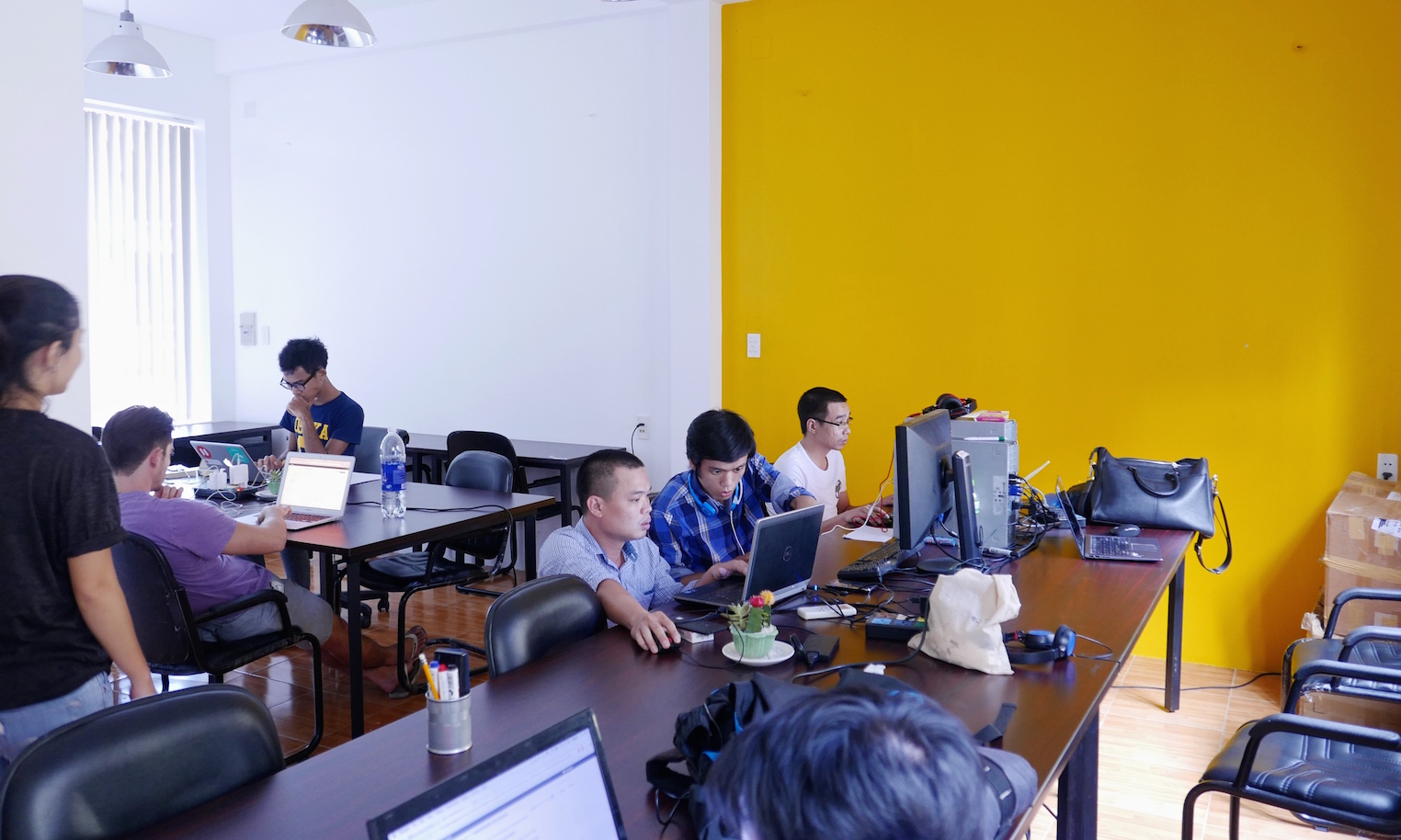
Image Caption: Many of the entrepreneurs were young Vietnamese who studied abroad and saw opportunities and ideas there that could be beneficial for Vietnam.
After the quick tour, Ni and I went to chat at a nearby coffeeshop. [I’m guessing Vietnam rivals Italy’s love for coffee. Every second store seems to be a coffee shop in Vietnam. The coffee culture is fantastic, adopted by the young and the old.] It was interesting to hear her thoughts on Vietnam’s startup scene.
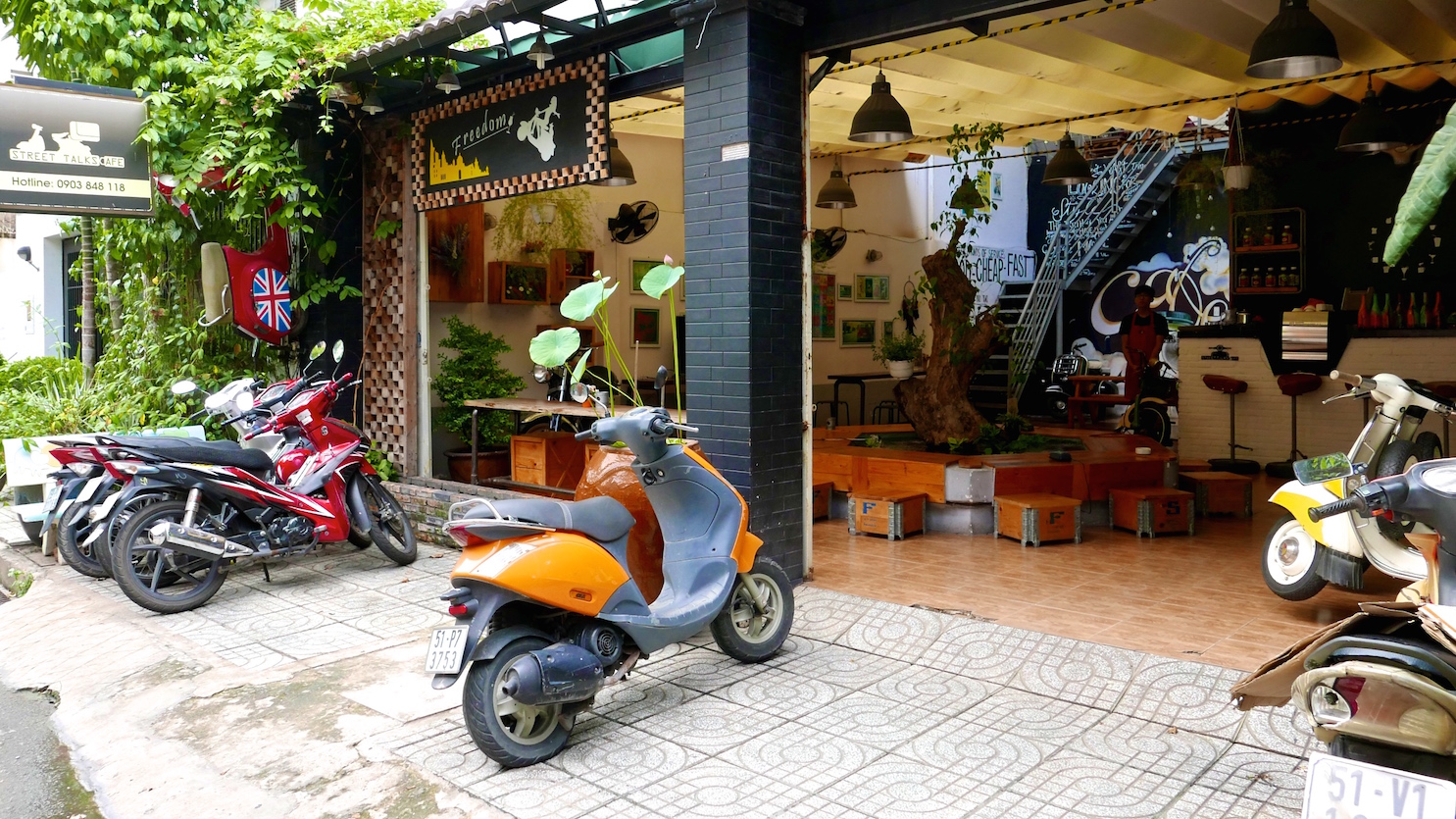
Image Caption: The neighbourhoods were filled with some really unique coffeeshops like this scooter cafe. With the tech industry’s obsession with coffee, coupled with Vietnam’s fanatic coffee culture, could there be a better pairing?
Ni mentioned that one of the biggest challenges Vietnamese entrepreneurs and industries face here in general is doing business online. Credit cards still do not have a high use rate in Vietnam and are not the preferred method of payment for the majority of Vietnamese. Online businesses immediately have big a barrier to adoption if any online sales are involved. The plus side is business regulations are relatively lax and lightly enforced in Vietnam, allowing entrepreneurs to create products that they can sell almost immediately. Many startups develop for the local market and work to create ideas and products that focus on service. Because the service level in Vietnam is usually developed in a laissez-faire manner, it’s easy for a startup to stand out immediately if they can simplify, innovate or improve the quality of an existing service. This usually happens with some inspiration from an idea that has worked in the Western world. Vietnamese companies like Tiki (a Vietnamese Amazon), Ticketbox (Vietnam’s Ticketmaster) and Foody (A Groupon for food) are all good examples of this.





Stay updated on the go with our mobile app.
Get latest insights with smoother, more personalized experience through TIA mobile app.