Hi TIA! Agriculture, aquaculture and fisheries make up a huge part of the economy in Southeast Asia. There are large plantations – especially palm oil -and many smallholder farms.
In Indonesia, about 40 percent of the total workforce is in in agriculture.
It’s no surprise that an increasing number of Indonesian startups are seeking to disrupt this sector. Their goal is to make farming more efficient, safer, and more reliable. Some examples in Indonesia are:
- CI-Agriculture: system of precision farming, where data from sensors, aerial photography, and other data sources is combined to make predictions about when and what to plant. Ci-Agriculture is part of big data analytics company Mediatrac. Ultimately, their goal is to use the farming data to construct smart insurance packages for farmers.
- iGrow: a micro-financing model for farming. People can invest in a certain crop type and get a share after the harvest is sold.
- Cybreed: this startup’s well known product is called eFishery, a smart fish or shrimp feeding system for aquafarms. It has since expanded its portfolio to include more aquafarming tools and a seed planting robot.
- Terralogiq: it’s smart dashboard isn’t limited to agricultrue, but plantations are a use case. Basically, it helps plantation owners collect data from various sources (can be manual input from workers, weather, or aerial imagery) and use it to monitor and control.
- LayerFarm: this startup is very new, and it has created a custom monitoring system for chicken farms.
In Cambodia, there’s Project Alba, which supports farmers through a cooperative network but so far, they don’t have a strong focus on tech, though they do have an SMS support service.
Are you aware of agritech best practices around Asia? Are there promising business models?
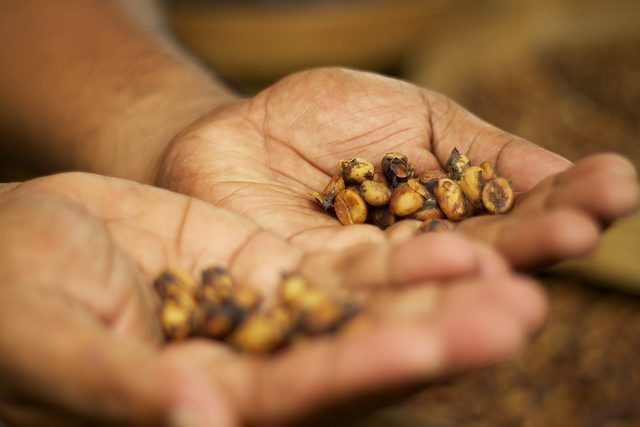
Image from McKay Savage





Stay updated on the go with our mobile app.
Get latest insights with smoother, more personalized experience through TIA mobile app.