- Insights This article was written by a TIA community member. Insights pieces undergo the same rigorous editorial process that newsroom-produced articles have.
 Danya Williams · · 8 min read
This is what the exodus to the subscription economy means for retailers
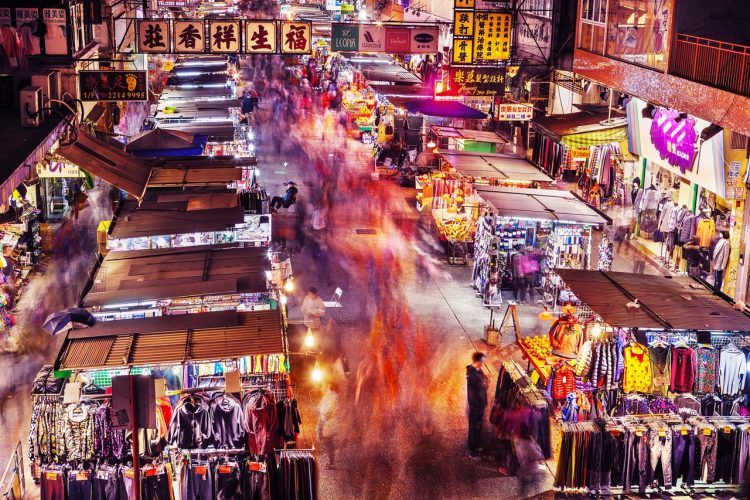
Photo credit: Jimmy Lau.
With the internet as a driving factor, the subscription economy is the future of modern commerce. But there’s more to it than just technology. It’s a massive shift in the way people consume products and services on a global scale.
In Australia and New Zealand, for example, 70 percent of businesses are planning to shift to a subscription model in the next few years. Consumers in these regions are spending an average of over US$500 per month on subscription products and services.
Moving the goalposts
On Forbes, Kimberly Whitler used a gown rental website called Rent the Runway as an example to explain the benefit of the subscription economy to consumers. She wrote, “Why own a Prada […] when you can rent one and wear a different one a month from now?”
The idea applies to any product. Why should a customer buy a CD or DVD from a retailer when they can pay a monthly fee to Spotify or Netflix and enjoy an almost limitless selection of media? Why would they buy a book when they can read one on Amazon’s Kindle Unlimited? These are great questions, and they should gravely concern retailers.
Our customer, The French Cellar, is also a great example. The company’s model is buyer-centric, as they provide customers with two bottles of wine every month, which are selected for them by a three-star Michelin sommelier, alongside a tasting guide.
This is a radically different experience from buying your own wine in a supermarket. It takes the pressure off the end user and provides the company with regular business, not dependent on the whims their customers have each month.
Similarly, Chuck Longanecker on Entrepreneur pointed out that SaaS providers are a perfect example of a subscription-based business and wrote, “It’s more evident than ever that customers prefer subscriptions.”
Monika Saha, VP of marketing at software company Zuora, told a story about a very unusual subscription product she encountered in India:
“One month earlier, on a trip to New Delhi to visit my parents, I found out they had ‘subscribed’ to fresh coconut water, delivered to their doorstep every morning. A subscription to fresh coconut water? The techie in me was tempted to call it CWaaS (coconut-water-as-a-service).”
Subscribing to outcomes, not ownership
Not everything can be outright replaced, of course. However, the way in which people buy, use, own, and interact with goods has changed—forever. Zuora’s website says, “At the heart of the subscription economy is the idea that customers are happier subscribing to the outcomes they want, when they want them, rather than purchasing a product with the burden of ownership.”
Its CEO, Tien Tzuo, predicted that car subscription services will replace traditional car ownership:
Ticking the subscription box
The personal touch
How can retailers make the shift?
A truly customer-centric model





Stay updated on the go with our mobile app.
Get latest insights with smoother, more personalized experience through TIA mobile app.