- Insights This article was written by a TIA community member. Insights pieces undergo the same rigorous editorial process that newsroom-produced articles have.
 Niko Bonatsos · · 4 min read
Opinion: Startups, stop confusing metrics and get real

Photo credit: Pexels.
A lot of Silicon Valley buzz is created by our collective addiction to vanity metrics. We’re all about saying things that sound both plausible and very impressive or things that make us sound really smart and full of insights. But in reality, if you investigate the hype we create just a little bit, you may discover a lot of silly arguments.
Questioning some of these smart-sounding Startupland statements is something that always makes me smile. Looking into the underlying reasons behind some of these outlandish remarks is something us investors should consistently be doing. As a founder, make sure none of these ambiguous statements make its way into your next pitch meeting.
‘We have hundreds of years of collective experience.’
One of my all-time favorites is when you see people, especially in the enterprise space, say the words “hundreds of years of collective experience.” It makes me wonder: are we going to be investing in a museum or a non-profit university? Is this a team that’s nimble in their thinking and contemporary and agile enough to be moving quickly?
In actuality, 20 years of experience may very well be 20 times one year of experience. In that case, you haven’t yet had time to learn anything from your prior adventures. Instead of relying on a multiplication trick that may sound impressive, relating what you actually have learned and accomplished is far more powerful to any VC.
‘Our app has 5 million downloads.’
A lot of us investors and founders often confuse metrics. In the early days of mobile apps, we would ask developers how many downloads they had and say, “You have 5 million downloads? Great! This must be a very successful app!”
In fact, just 10 percent of those 5 million downloads actually used the app. That’s not as great. It took two years for the investor community to realize it’s about engaged and retained users and not downloads. Just like there’s a difference between downloads and engaged users, there’s also a huge difference between people who have expressed interest in doing business with your company and those who are already your customers.
I’ve seen younger companies that are selling to businesses or government agencies that confuse LOIs with contracts, where they overstate what they have in their sales pipeline. Then, six months later, you do another meeting with them and, of course, they fall short of their projections.
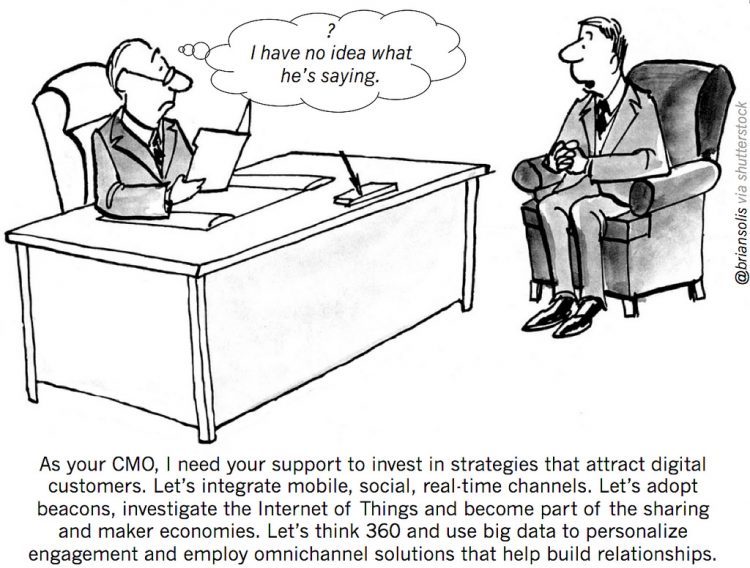
Photo credit: Brian Solis.
‘We only spent a million on marketing.’
Did you, though?
A lot of consumer-facing online companies will spend a ton of money on the marketing front. One trick is to say, “We only spent a million bucks on Facebook to acquire new customers and our revenue is growing 50 percent every quarter.”
That sounds great, but you have to ask what they count as marketing spend. That same company might be giving discounts to engage customers that amount to another million dollars, but they’re not counting it toward their total spend. Often, they’re not even thinking about this internally and, eventually, if a company’s drinking its own Kool-Aid on growth numbers for too long, they’ll drown in it.
So what?





Stay updated on the go with our mobile app.
Get latest insights with smoother, more personalized experience through TIA mobile app.