- Insights This article was written by a TIA community member. Insights pieces undergo the same rigorous editorial process that newsroom-produced articles have.
 Jessica Chang · · 4 min read
Softbank-Alibaba vs Google-Tencent: Examining the head-on clash
It has long been a battle between the largest Chinese ecommerce platform (Alibaba) and a dominating social media and gaming company (Tencent). But now, it’s not just limited to China anymore. In recent years, both companies have extended their networks and layouts to some of the most promising tech startups in the Southeast Asian market.
It seems that two camps are forming: Softbank and Alibaba vs Google and Tencent. Which side will win is hard to tell since both parties are resourceful and have solid financials. It’s more likely that both will be in the market for the long run, shaping the region’s tech ecosystem.
Softbank + Alibaba
Eighteen years ago, Softbank founder Masayoshi Son made a bet on Alibaba, which turned out to be a huge success. Despite some skirmishes over the ownership of Ant Financial, Softbank remains Alibaba’s biggest shareholder at IPO.
The two did not stop there. Perhaps influenced by Softbank’s bold yet incisive decision-making culture, Alibaba is more courageous than most of its Chinese counterparts. In April 2016, the company officially acquired a controlling stake in Lazada, starting a spree of major investments by Chinese tech giants into Southeast Asia.
Afterward, Softbank allowed Alibaba to invest in Tokopedia (and prevented JD.com from doing so), and Alibaba firmed up its stake in Lazada to 81 percent. Now, there are rumors of a potential Alibaba investment in Grab, where Softbank and Didi jointly hold a controlling stake.
Google + Tencent
Being the world’s leading technology heavyweight, Google is also keen on procuring seats in the Chinese and Southeast Asian markets. We previously wrote about Google’s recent investment into JD.com, a Tencent portfolio company that has a decent presence in Indonesia and a big joint venture in Thailand.
Both Tencent and Google also invested in Go-Jek, Grab’s major rival.
It is hard to believe that there is no synergy between the two.
Head-on clashes in logistics, payment, and ecommerce
As both parties obtain market share in logistics services, payment solutions, and ecommerce platforms in Southeast Asia, the “clash of titans” is inevitable. Let us break this down individually to see what we can expect.
1. Online ecommerce platform and payment solution provider: Lazada and Tokopedia vs JD.com and Sea (Shopee)
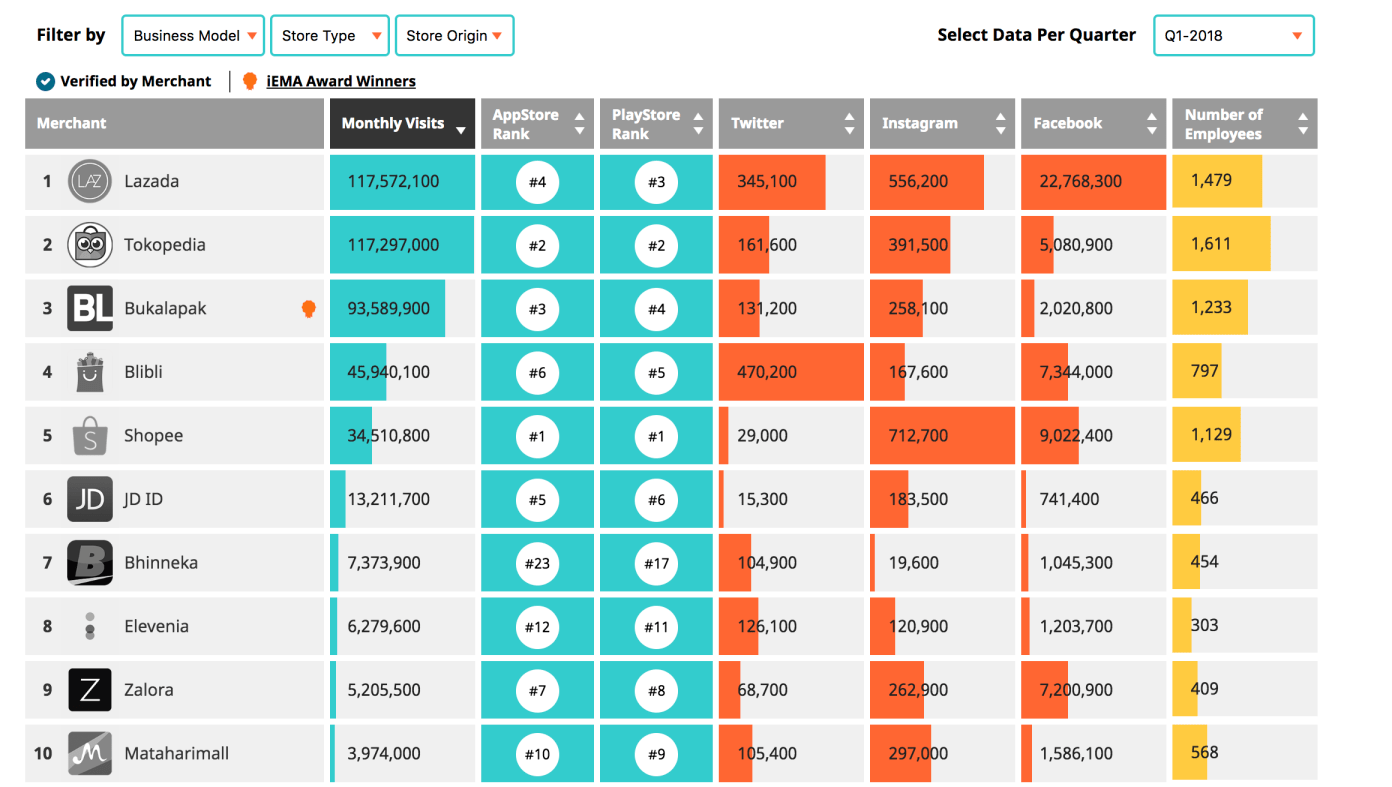
Smart layout for Softbank + Alibaba and Google + Tencent in ecommerce, but both are facing underlying factors in Southeast Asia / Photo credit: iPrice
With a rising population and increased rates of internet and mobile penetration, the potential for ecommerce in Southeast Asia is unlimited. This includes generating traffic for online stores and achieving sales goals through successful payment solutions.
What to do amidst the fight





Stay updated on the go with our mobile app.
Get latest insights with smoother, more personalized experience through TIA mobile app.







📅 Upcoming Events
22 October 2026
Payoneer x CSPN Summit 2026