- Insights This article was written by a TIA community member. Insights pieces undergo the same rigorous editorial process that newsroom-produced articles have.
 Anjali Krishnan · · 6 min read
Opinion: Why small retailers do omnichannel better than the big guys
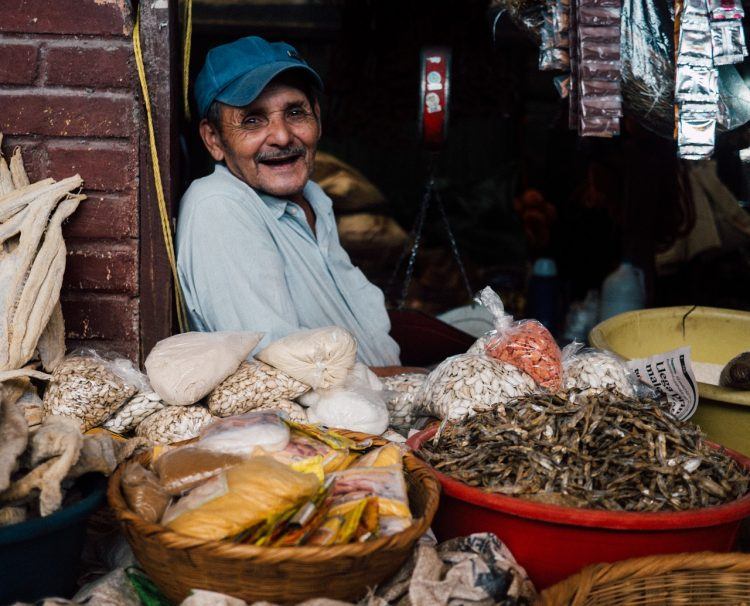
Photo credit: Unsplash.
Omnichannel retail, as the term implies (omnis is Latin for every or all), is about offering customers a seamless shopping experience across multiple retail channels.
It has been a challenge for old and established retailers to adapt to online retail; hence, omnichannel has cropped up a lot in the past few years.
Or has it?

Apparently nobody really cared until late 2014. Data source: Google Trends.
An Indian omnichannel retailer
StoreKing was established in India in 2012 and has reached a gross merchandise value of US$100 million a year. Compared with the American department store chain Sears, which has been around for over 130 years and had a revenue of US$40 billion in 2013, StoreKing is truly small fry. But in terms of doing omnichannel retail, it might be a role model.
While India’s ecommerce stories focus on big players like Flipkart and Amazon India, this small company has penetrated India’s notoriously difficult rural market with its ingenious omnichannel strategy. Interestingly, they don’t call themselves omnichannel retailers or even talk about it extensively. They are simply doing what it takes to get to the customers.
Around 80 percent of the villages in India are composed of no more than 2,000 people. Rural penetration of ecommerce faces a lot of obstacles. Distribution models are not efficient enough, fraud is a huge problem, and worst, rural India has trust and familiarity issues with online shopping.
Consumers ordering online for the first time feel a lot of anxiety and distrust. And though the internet penetration in India has been mainly driven by mobile phones, it is still lagging far behind with only 32 percent of the population having internet access in 2015, according to Morgan Stanley.
Hence, it is inevitable that a village store plays a pretty central role. It’s also important that people know the shopkeeper.
StoreKing came up with a simple solution : Set up a kiosk with a shopkeeper and tablets that customers can use to access the store’s online catalog. Customers choose a product and the shopkeeper helps them complete the order online. They pay the shopkeeper for the purchase and pick the product up from the shop in a couple of days. StoreKing pays the shopkeeper a commission.
Outpacing development
StoreKing made two key changes to the traditional model of ecommerce. First, they follow a transportation-distribution model to get their goods to the people in the villages. They use the same vehicles that transport groceries and usual FMCG products to the village stores to transport their online orders.
But the beauty of the model is not just in using an existing distribution system to fulfill ecommerce orders. It is also in how they reached their customers.
Small steps instead of giant leaps
Thinking ahead vs playing catch-up





Stay updated on the go with our mobile app.
Get latest insights with smoother, more personalized experience through TIA mobile app.








📅 Upcoming Events
22 October 2026
Payoneer x CSPN Summit 2026