 Tytus Michalski · · 3 min read
This startup sends satellites the size of wine bottles to space. Here’s why it matters.
Disclosure: The author is a Managing Partner of Fresco Capital. Fresco Capital or its affiliates have invested in companies mentioned in this article.
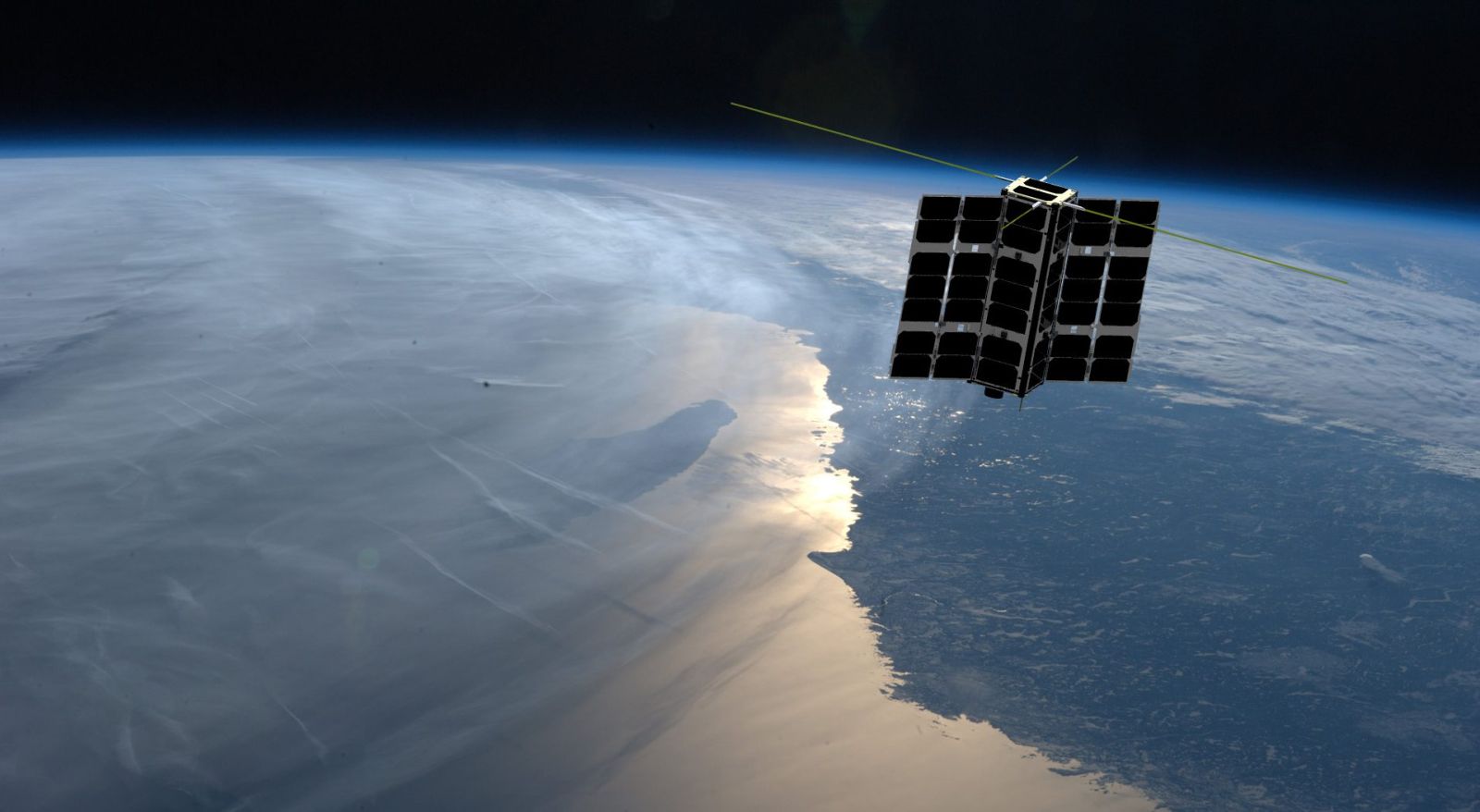
One of Spire’s nanosatellites. Photo credit: Spire Global
I first connected with Peter Platzer in 2012 during the early days of Spire, before any of the company’s nanosatellites were actually in space. We hit it off immediately, and very quickly this led to an investment by us at Fresco Capital. There is no shortage of teams with big dreams, but Peter and the Spire team are one of the few that have proven their ability to successfully execute those big dreams. In addition to launching and managing a constellation of nanosatellites, the satellite-powered data startup has built a truly global business with offices across Asia, Europe and North America.
Here’s a recent Q&A I had with Peter.
Q: When most people think of satellites, they think of very large and expensive projects that only governments can afford. What has changed in the past 15 years and why?
A: Nanosatellites are about the size of a bottle of wine and since 2014, there have been more nanosatellite launches than that of traditional large ones. With nanosatellites being far more affordable, this has dramatically changed the number of space faring nations, companies, and even individuals!
The two biggest reasons for that is the integration of new technologies from other industries and the creation of the CubeSat standard. Components from smartphones, drones, and robotics have made it possible to build an incredibly powerful satellite in a fraction of the time at a fraction of the price – it is still quite a bit of rocket science, but simply by replacing the need for lots of money with the need for lots of ingenuity and brains, it opened access for innovation from the private sector to space. Secondly, when it comes time to launch, there are now opportunities to share a ride in almost every space-faring country because the standard form factor is now well-known and accepted by over a dozen launch vehicles.
Q: The transformation of the space industry is likely be a much needed catalyst for job creation in the future. What should governments, schools and parents be doing to make sure that their children are well prepared for these new job opportunities?
A: The best thing that schools can do is to keep kids engaged with technology. We need people who can code, build electronics, and understand complex systems. Thankfully there are great minds in edtech, like Ardusat.com, working on this problem. We put an educational payload into every satellite because investing in children’s passion for science and technology is an investment in our future.
Q: Anything related to space has a huge amount of global and national regulations. Recently, startups in other industries have been hurt by not following regulations. How do you approach the challenge of innovating in a highly regulated industry?
A: It’s always going to be difficult to deal with a highly regulated industry like aerospace, but it is worth reminding yourself that the regulations were created for a reason. When we run into a roadblock, we talk with people. It’s often the case that no one even imagined a world with nanosatellites when they wrote the rules. So far we have found regulators to be very keen on understanding and supporting New Space, even though they often have to work with regulations that are anachronistic to today’s rapid pace of space technology development.
Q: What benefits do you think this new technology will be bringing to companies, government, and people in the next 1-3 years?
A: Nanosatellites are bringing about a sea-change in how much data is available from space to benefit mankind. Its like switching from a 1950 black and white silent movie to a 2015 4k 3D IMAX movie.
Many of those benefits are yet to be discovered, but simply imagine a world where no airplane is ever lost again, global shipping is running on half the emissions because of route optimisation, our oceans are replenished in fish stock thanks to eradicating illegal fishing, and weather forecasts are as accurate as swiss train schedules, allowing you to never be late for a date (or miss a shipping to a customer). And those are just the areas that our company is working on. We are certain that many more areas will be positively impacted by the wide-spread use of nanosatellites, similarly as the widespread use of the PC instead of the mainframe brought about the internet.





Stay updated on the go with our mobile app.
Get latest insights with smoother, more personalized experience through TIA mobile app.










📅 Upcoming Events
22 October 2026
Payoneer x CSPN Summit 2026