- Insights This article was written by a TIA community member. Insights pieces undergo the same rigorous editorial process that newsroom-produced articles have.
 Stuart Lansdale · · 6 min read
Remote working in Nepal: What it’s like now in 2017
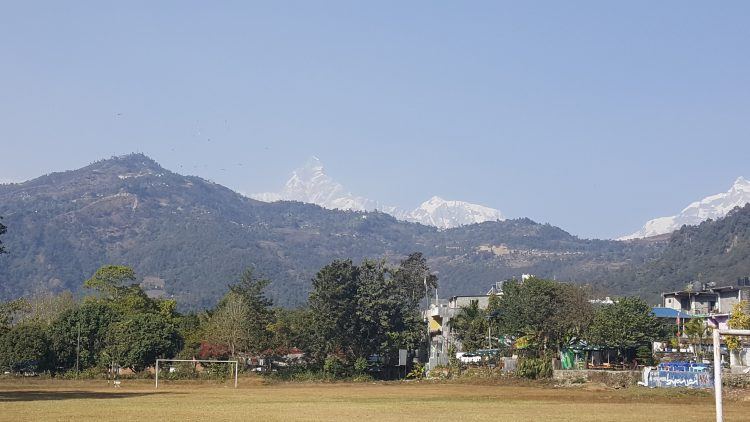
Pokhara Mountains.
It has been nearly a year since my last visit to Nepal where I learned a lot about what was and wasn’t possible at the time for remote working (You can read the story here). I have just returned from my recent trip to the country and, boy oh boy, there have been major changes.
The real question I want to pose in this piece is when will Pokhara become a competitor to Chiang Mai for the digital nomad crowd?
The biggest changes
Electricity is now 24 hours
I will say that again: electricity is now 24 hours.
This is a major development. There was obviously major corruption going on behind the scenes, which prevented this improvement from happening for so long. But having 24-hour electricity brings endless opportunities: You can work whenever you want, you don’t have to worry about recharging your equipment, basic things like fridges are working all the time, and it is important to note that this was the first trip where I did not get sick.
Accommodation is improving
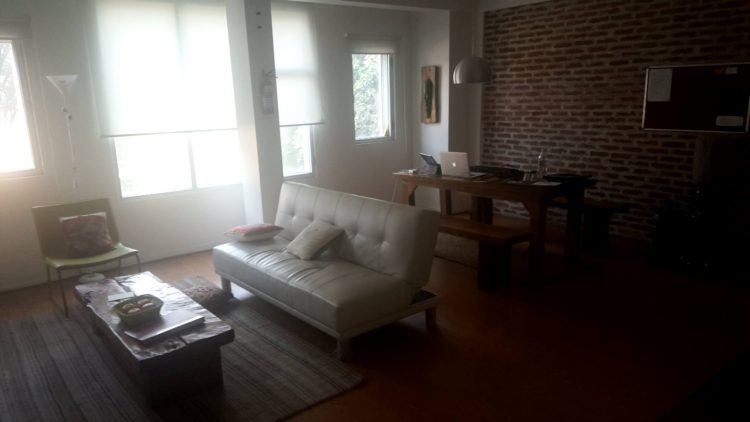
My Airbnb accommodation.
In bigger cities like Kathmandu and Pokhara, the hotels have always been a bit hit-and-miss. My company, Roomfilla, focuses on the vacation rental or short-term rental market. So, I figured I would check out the offerings on websites like Airbnb and look for a potential play for us in the country in the future.
The apartment I stayed in in the middle of Kathmandu is like a place in the center of Manhattan. There’s perfect wifi, and the electricity and the amenities made it the perfect place to set up an office.
The costs
It always surprises me that I end up spending less money on a trip to Nepal (including flight costs) than I would normally in Bangkok.
A beer is around US$5 while a meal can cost as little as US$1 (and the food is great). Hotels also run at just around US$8 in most places. Unless you are having a heavy drinking session, it is difficult to spend more than US$15 a day. The cost of staying in Nepal is super cheap, which begs the question: why aren’t more startups bootstrapping in the country?
During my time in Kathmandu, I met with a friend who had an office in the city which was big enough for four persons. He told me that his six months’ rent was about US$470. That’s an insanely cheap price for an office in the center of the city—with wifi and all!
Pokhara vs Chiang Mai
Extreme remote working
Final thoughts





Stay updated on the go with our mobile app.
Get latest insights with smoother, more personalized experience through TIA mobile app.