- Insights This article was written by a TIA community member. Insights pieces undergo the same rigorous editorial process that newsroom-produced articles have.
 ChangSheng Sze Tho · · 4 min read
Is it still possible to have technology and privacy? Yes and no.
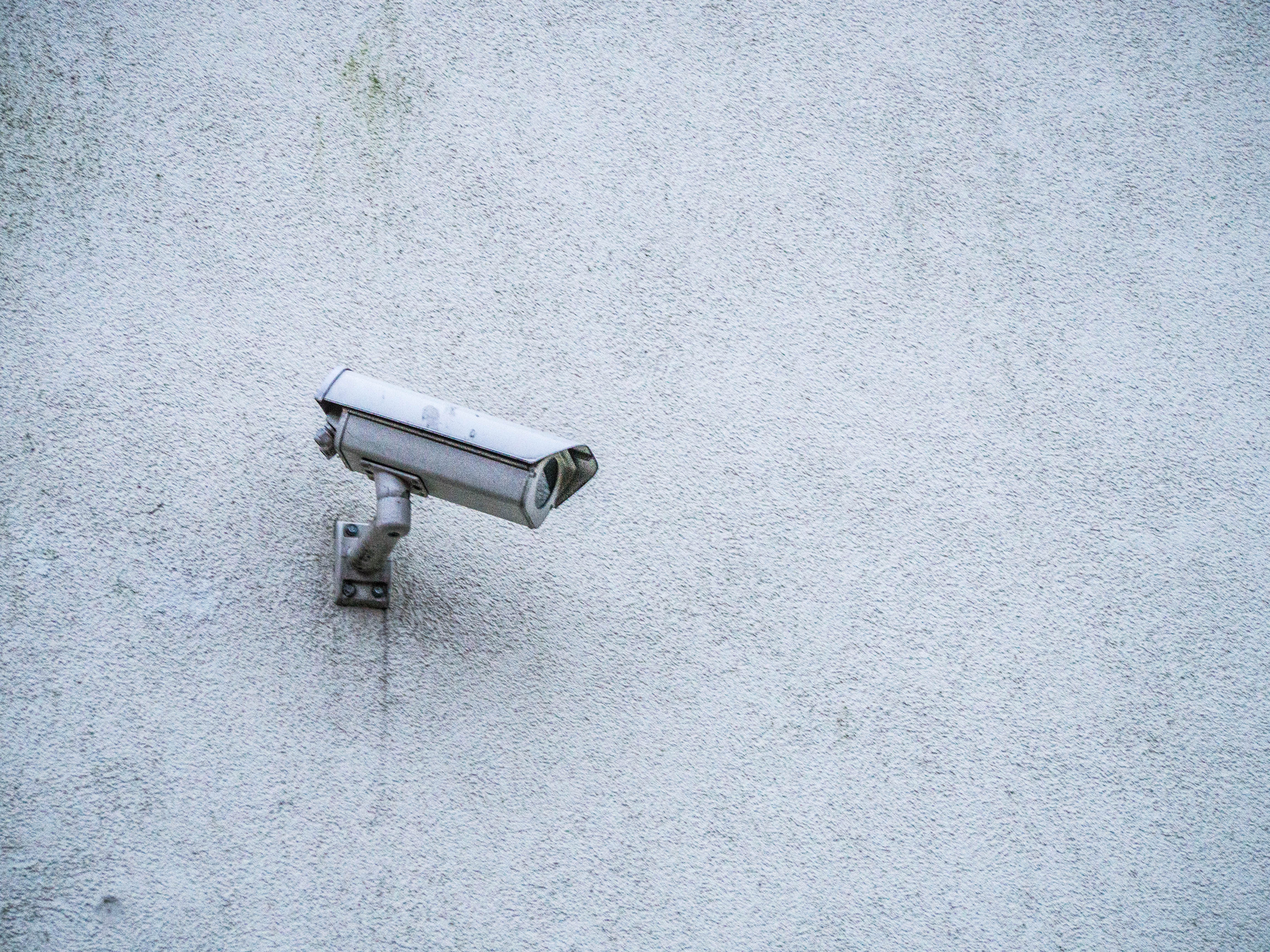
Photo credit: Agnieszka Bladzik.
Technology and privacy have a bit of a complicated relationship—its past is checkered and its future is rife with uncertainties. While we all enjoy the benefits of technology, are we giving away too much privacy at the cost of convenience?
One of the most widely-debated incidents of technology vs. privacy was Apple’s battle with the FBI following the terrorist attack in San Bernadino, California. In order to unlock an iPhone 5C, recovered from the attackers’ home, the FBI requested Apple to create new software.
Apple refused, sparking a hailstorm of arguments in the US and across the globe. The case was dropped, however, after FBI agents were able to find a third party to help unlock the iPhone.
This standoff created a big divide. A Pew Research Center survey showed that 51 percent of Americans thought Apple should assist the FBI investigation while fewer Americans—38 percent—said Apple should not unlock the phone to ensure their users’ security.
So how much privacy are we giving up for technology and is it worth it?
What are we giving away?
The San Bernadino case is an extreme one, with larger implications on the invasion of privacy. However, what about privacy in our day-to-day activities? What exactly are we giving away without much thought, knowledge, or even choice?
News reports in December 2005 first revealed that the US National Security Agency (NSA) has been intercepting phone calls and Internet communications. This is clearly in violation of the privacy safeguards established by congress and the US constitution.
In 2013, whistleblower, Edward Snowden, told the world about a secret surveillance program called Prism. This let the NSA grab emails, video chats, photos, and documents through some of the world’s largest tech companies. He even posited that NSA hackers can use mobile phones as bugs even after they’ve been turned off.
The entertainment industry has also made paranoia about the “Big Brother” worse. TV shows and movies are inundated with so many ingenious—albeit fictitious—ways to hack into people’s private lives using their gadgets.
The entertainment industry has also made paranoia about the “Big Brother” worse.
One such gadget is Amazon’s Echo, a hands-free speaker you can control with your voice. Echo connects with a human-like voice service called Alexa, which provides information, news, sports scores, and more. It must be connected to the Internet and is essentially like having a personal secretary.
Echo takes the “fiddliness” of phones out of the picture and is extremely useful. However, you can’t help but wonder if all your requests and demands are stored somewhere and are used without your consent.
Are we safe if we keep our hardware secure?
Unfortunately, not at all.
Is technology worth it?





Stay updated on the go with our mobile app.
Get latest insights with smoother, more personalized experience through TIA mobile app.











📅 Upcoming Events
22 October 2026
Payoneer x CSPN Summit 2026