- Insights This article was written by a TIA community member. Insights pieces undergo the same rigorous editorial process that newsroom-produced articles have.
 Whitney Mato · · 4 min read
An overview of Singapore’s ecommerce industry in 2017
Before the release of the Singapore Budget 2018, there were speculations around the implementation of ecommerce tax in the country. In a live interview with Money FM, senior minister of state for law and finance Indranee Rajah said that “it’s certainly something we would like to do.” However, she also mentioned that they need to be careful with how they implement it.
While it won’t be implemented yet, this shows the government’s interest in the state of Singapore ecommerce.
A Google and Temasek Holdings report predicted that the market size for the industry will grow a staggering amount to US$5.4 billion by 2025.
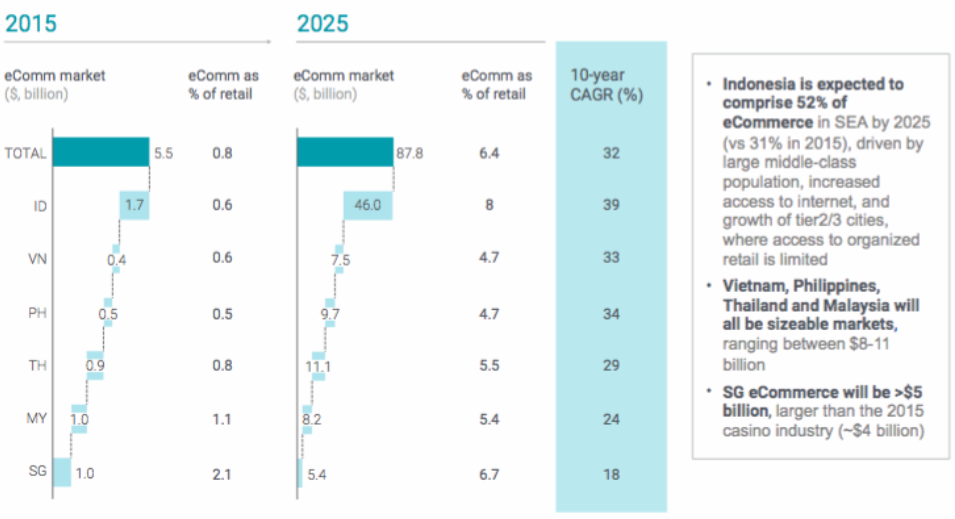
We at iPrice Group, a price comparison website, released our first study on the state of ecommerce in Southeast Asia. We used our proprietary data from over 1,000 ecommerce players in the region and have noticed several interesting facts. Here’s an overview of Singapore’s ecommerce industry in 2017.
Singaporeans are three times more likely to complete purchases on desktop than mobile
Known as a rapidly developing country in Southeast Asia, some expect Singapore consumers to be fast to adapt on mobile commerce (m-commerce). But despite having the highest smartphone penetration globally, Singaporeans were three times more inclined to complete their purchases on desktops rather than mobile.
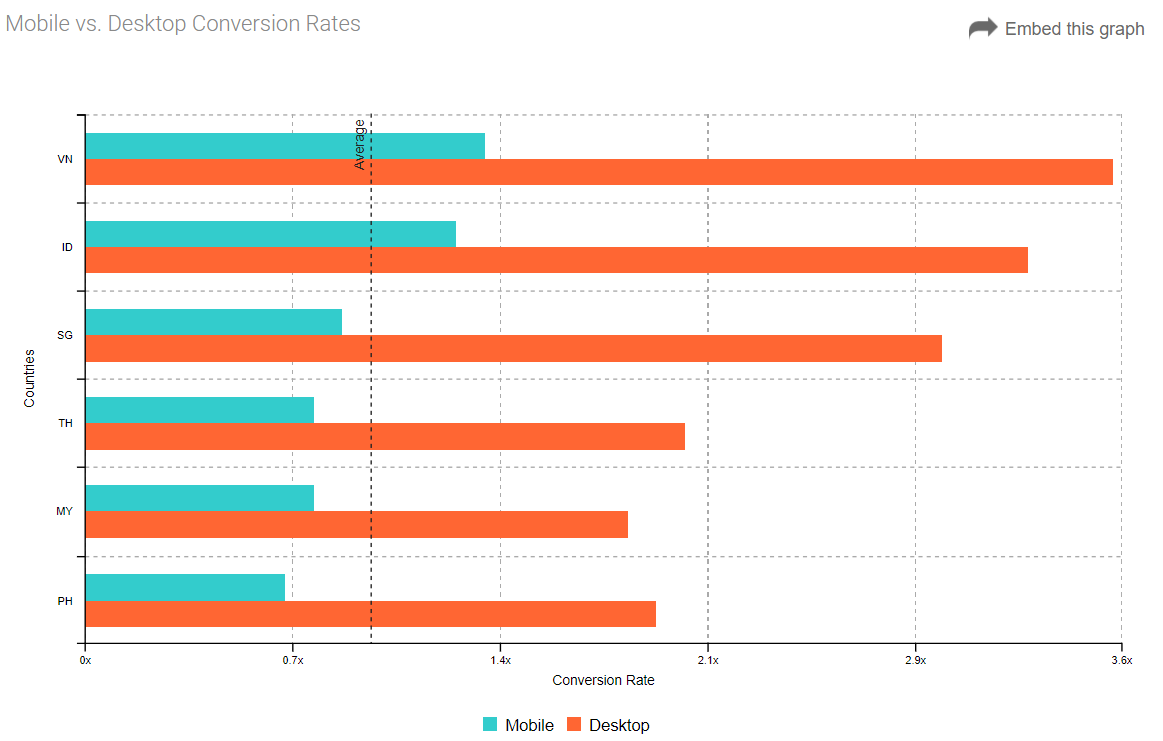
The data also shows that even while on mobile, the conversion rate for Singapore is 10 percent lower than average for Southeast Asia countries.
Completing purchases on desktop rather than mobile is not a trend seen only in Singapore but all around Southeast Asia. According to KPMG, 57 percent of consumers still prefer to use desktop PCs or laptops for online shopping, despite the increased usage of smartphones and tablets. Only 17 percent prefer using mobile devices. This may be caused by poor app and mobile site transaction experiences.
Singaporeans shop more after work hours
Singapore is the only country in Southeast Asia where consumers shop more after working hours—others including Malaysia tend to shop during working hours.
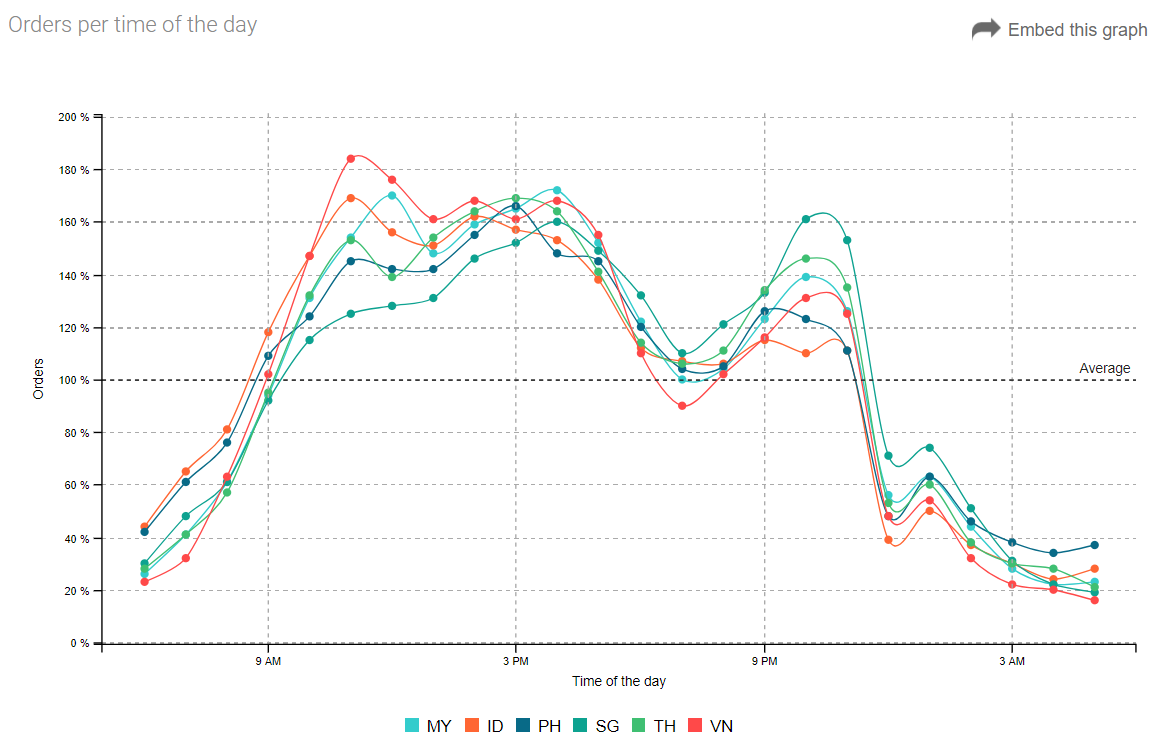
The number of orders placed by Singaporeans are the lowest among Southeast Asia countries during working hours. However, the numbers increase gradually from 4 pm and eventually take the first spot at 6 pm.
The credit card payment method is a must-have for Singapore ecommerce websites
Singapore is number one in basket size and has a huge lead on GDP in SEA
Consistent increase in mobile traffic





Stay updated on the go with our mobile app.
Get latest insights with smoother, more personalized experience through TIA mobile app.








📅 Upcoming Events
22 October 2026
Payoneer x CSPN Summit 2026