- Insights This article was written by a TIA community member. Insights pieces undergo the same rigorous editorial process that newsroom-produced articles have.
 Gijs Verheijke · · 4 min read
Opinion: Fulfillment systems and why ecommerce adoption in SEA is still slow
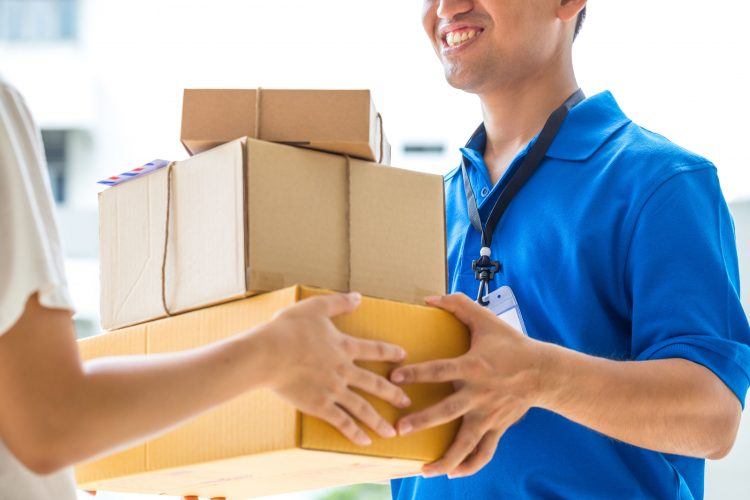
Photo credit: Comzeal
The uptake of ecommerce in Asian emerging markets has been disappointingly slow. Traffic is expensive, conversion rates are abysmally low, and returning customers are all but non-existent.
It’s surprising when you consider how pervasive internet has already become in most places. Consider the smartphone penetration in Myanmar (80 percent) and Indonesia (70 percent) or the fact that smartphone users in Asia spend much more time on social media than their American counterparts.
With the looming bankruptcy of Sears, it struck me that there is a very logical explanation for the slower-than-expected uptake, one that I had not heard anyone discuss ever before.
There were never any mail order catalogs in any of these countries. People in the US had been ordering items from the Sears catalog for more than 100 years when ecommerce first started.
Let me explain.
Trust issue
The main issue with ecommerce in most emerging markets has been trust; people have a difficult time believing the products will arrive as promised.
For example, in Indonesia, more than a third of the 1,800 people surveyed by MARS Indonesia said they don’t trust online retailers. In Myanmar, survey results indicated that most people prefer to see the product physically before buying because they don’t trust the merchant.
Part of the explanation for the reluctance may be a history of genuinely untrustworthy merchants. For example, when buying a product, it is customary in Myanmar and Bangladesh that the box is opened by the store clerk while you are watching, so you can see that the box in fact contains the right product before you pay.
But this cannot be the whole story. All ecommerce players offer cash on delivery, and when I once bought an iPhone online in Myanmar, the box was again opened in front of me by the delivery guy.
The main problem is a great reluctance in embracing the concept of buying something from a faceless system and trusting that it will then come to your house. This is evident in customer support questions (“Where can I go to see the product?”, “Where do I have to go to pick it up?”) and fulfillment challenges. A friend who runs an ecommerce platform tells me that the first part of their order fulfillment process still is to call every person on the phone to make sure they didn’t order by accident or weren’t “just clicking things.”
And you can’t blame them. All of this was completely new to them a few years ago! The issue is much easier to understand if you think about the lack of experience people have in general with getting things delivered to their house.
Five generations of learning to trust
In contrast, people in the West have been ordering things from their homes for five generations.
As an 80s kid, I can remember the time when internet was just going mainstream. With our 28k modem, we would dial into the internet (remember the sound?) and nobody could use the phone while you were online. The rare picture on a website would gradually load from top to bottom. With that, forget about shopping online.
Where do we go from here?





Stay updated on the go with our mobile app.
Get latest insights with smoother, more personalized experience through TIA mobile app.









