Raja Jamalamadaka · · 4 min read
Opinion: Mistry’s exit from Tata proves just how important good business relationships are
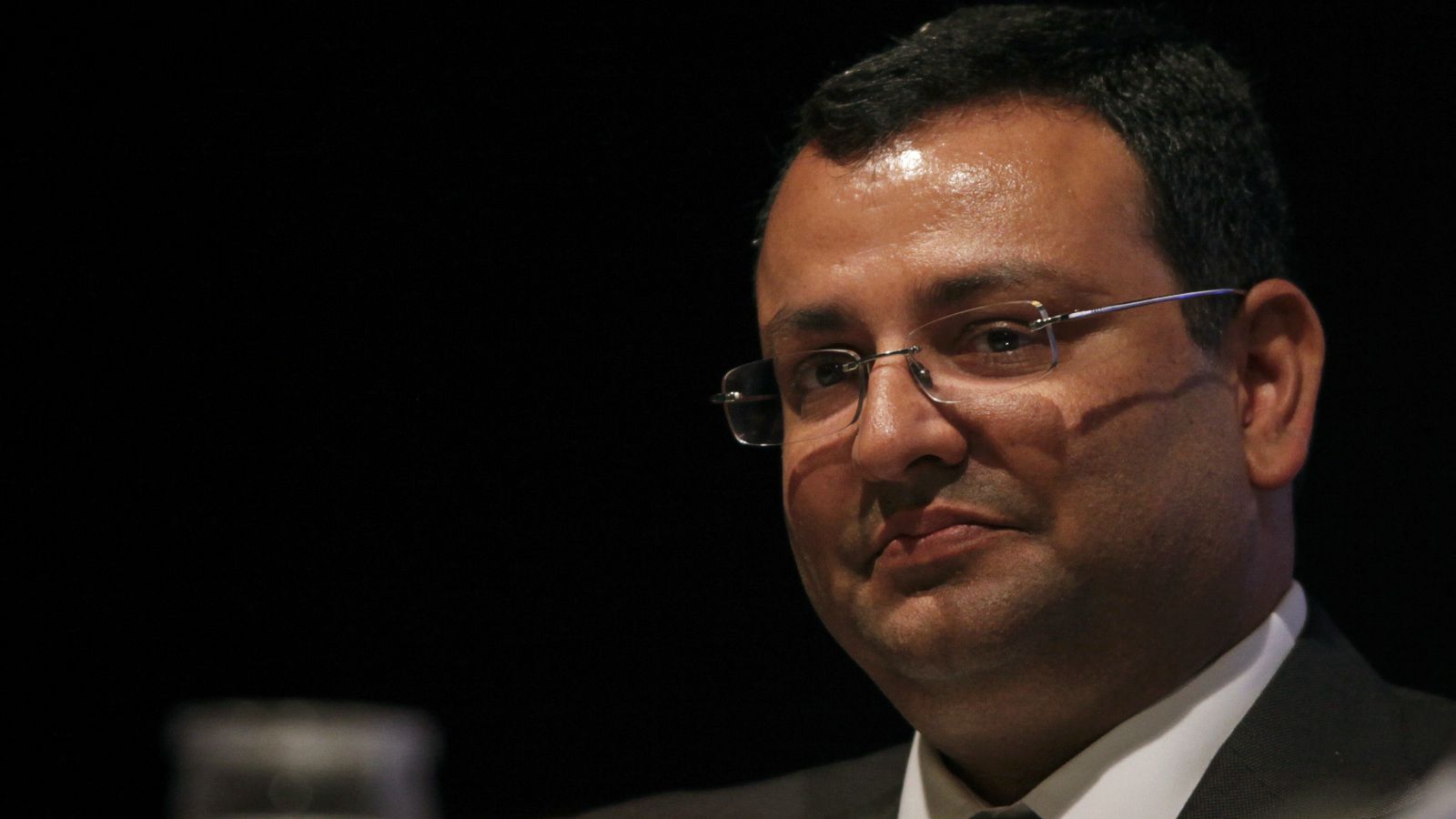
Cyrus Mistry. Photo credit: Danish Siddiqui.
If you go by the popular press, the key to understanding Cyrus Mistry’s firing from Tata Sons—one of Corporate India’s ugliest exits—lies in some well-analyzed areas: slow execution, lack of strategic focus, inaction in key areas, and poor timing. Without denying the importance of these, I would argue that the softer aspects of Mistry’s role played a far more important part in his exit.
Mistry’s selection
Mistry had been on the Tata Sons board for five years before he became the chairman. He was chosen to take charge as Ratan Tata’s successor for various attributes like his vision for the group and competence. But two important drivers stood out:
- His understanding and willingness to maintain the group’s and, by extension, Tata’s ideals. According to this 2013 article by Arijit Barman, the senior editor at The Economic Times, “More than succession, it had to be ‘legacy planning.’ It was as much about competence as it was about continuity.”
- His personal relationship with Tata. In 2011, former Tata Sons director JJ Irani told Business Standard, “There has always been a strong chemistry between the two.” A Quartz India article also quoted him saying, “In board meetings, Mr. Tata would often seek out his advice.”
These two attributes show just how important soft aspects were to Tata Sons and to Tata personally.
Tata’s legacy
Tata’s legacy was his ability to bring an MNC touch to the India-centric Tata Group through his bold acquisitions—Tata Tea’s acquisition of Tetley, Tata Motors of Jaguar Land Rover, and Tata Steel of Corus, among the more prominent ones.
A second vital part of his legacy was his ability to conceptualize and carry out ideas on “compassionate capitalism.” This included ideas like the world’s cheapest car (Tata Nano), which was reportedly Tata’s initiative to enable middle-class Indians to afford a safe car at a lower price point.
Partly as a result of Tata’s buying binge, Mistry inherited a group laden with debt. With a neutral, emotion-free pair of eyes, he reduced group debts by selling stressed assets—hotels, Tata Corus in Europe, and the Tata Nano project (all Tata’s pet projects). Despite his best intents, Mistry’s efforts appeared to undo his predecessor’s legacy.
The importance of a leader’s legacy
Every leader, be it the US president, Tata, or your immediate boss, leaves a legacy behind and, despite visible shortcomings, is proud of it. There have been many successors who have undone their predecessor’s legacy—the latest being Donald Trump. But in such cases, the predecessor has no control over the successor’s actions.
Mistry’s is a different story. Tata was proud of his legacy but, unlike other leaders, he had the power to influence and replace his successor. In such a situation, Mistry should have taken the reality (Tata’s pride in his legacy) into perspective. Destroying your predecessor’s legacy needs a base of trust, but Mistry missed that big time with his soured relationship with Tata.
Mistry’s relationship with Tata
Mistry had been Tata’s blue-eyed boy when he took charge as the Tata Sons chairman. Such was Tata’s confidence in Mistry that the former’s first advice to the latter when he took charge was to “be your own man.”
Unfortunately, Mistry made several actions that collectively cast a shadow on their relationship. A few of those were when he sacked Raymond Bickson (widely perceived as Tata’s man), his refusal to settle the Docomo dispute, which led to an ugly legal battle, and when he created the Group Executive Council composed of fresh faces.
Over time, the relationship between the two men slid to such lows that Tata’s blue-eyed boy became the source of his black eye.
Relations in business?
Smooth working relations are the bedrock on which work performance and leadership run. But it’s unfortunate that relationships are often viewed as a soft subject.





Stay updated on the go with our mobile app.
Get latest insights with smoother, more personalized experience through TIA mobile app.