Disclosure: The author handles PR, Partnerships and Marketing at Glints.
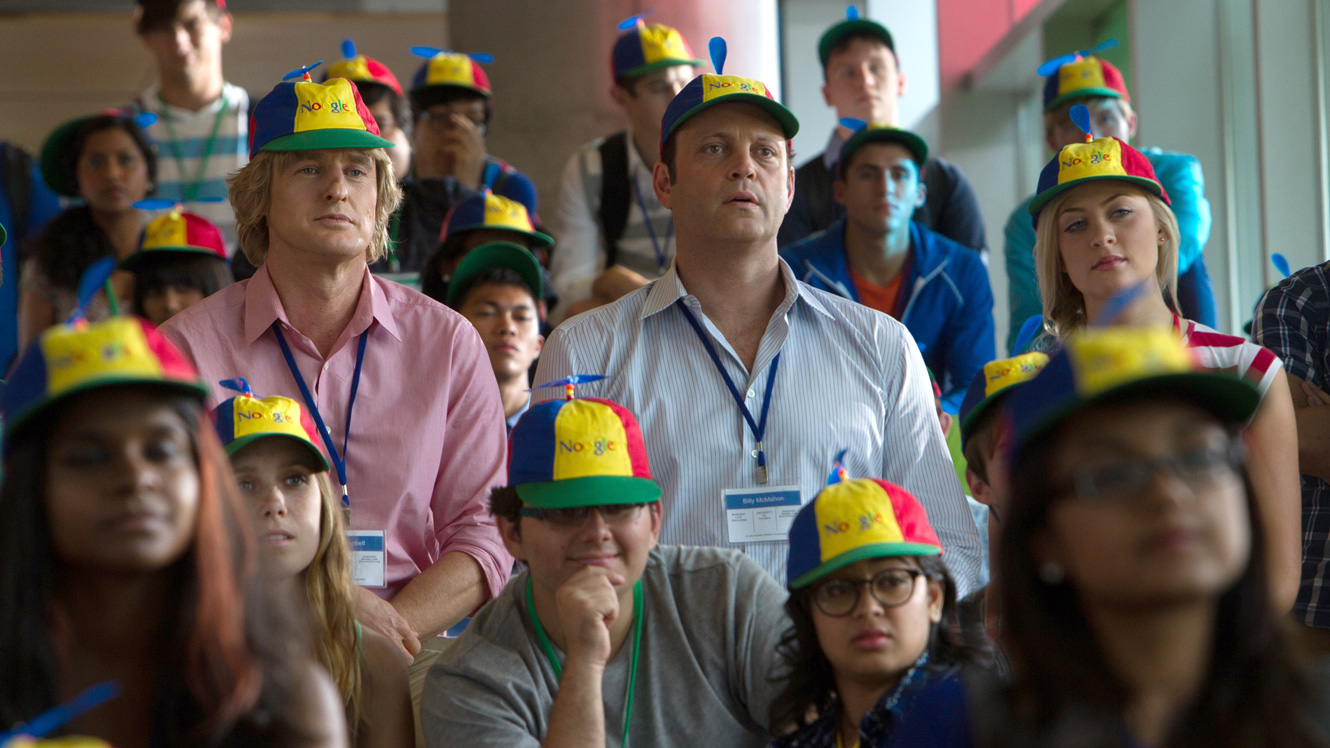
Photo credit: 20th Century Fox via Sky Cinema
Increasingly, more students are looking to complete multiple internships before they enter the workforce, some even doing up to six internships in four years of university. Companies are also starting to recognise the fresh perspectives, vitality, and dynamism that these young interns can bring – all at a lower cost than full-time hires. It’s not surprising that interns are a hit among startups.
However, there must be some dissonance when internships require a certain level of time and in-person commitment. Does this mean that the student would never get the chance to hone his craft if he cannot make it for a set time period? More importantly, is the company is going to lose the talent when the intern leaves?
Some part-time arrangements can be made, but are sometimes haphazard. Many of my friends who are hiring are against hiring part-timers unless they’ve worked with the candidate for a considerable Monday-to-Friday period.
What is an externship?
Enter the world of “externships”, a term first coined by Glints. Externships are similar to internships, except that they are shorter in duration, feature flexible work hours, and are project-based rather than milestone-based. Looi Qin En, co-founder of Glints, shared that externships was a result of listening to talent (students) within their community.
“Many of our talents were polytechnic and university students who wanted to gain work experience during the holidays,” he said, “but employers didn’t want to accept them as interns because internships were to last for at least two months. We saw this as a clear gap and decided to introduce the concept of externships, which are three to six week job shadowing attachments.”
While many companies have informal externships in place, Glints was the first to formalise this for its employers. Cai Li, co-founder of Airfrov, was thankful for this arrangement. He said, “Externships is a good way for Airfrov to tap into more specialized and experienced talent… this creates a win-win situation for rapidly growing startups like ours, and job-seekers seeking a new stint.” One example he quoted was a hire who had design thinking skills and wanted to practice her craft on startups.
In the longer-term and on a more strategic viewpoint, externships seem to also retain the impetus that internships provide to people operations in general.
Marc Dass of Soulscape is of the view externships have a strategic role to play in human capital, “Externships were an innovative way for us to resolve short-term manpower issues, along with a view of possible conversions to long-term hires or shortlisting potential hires for the team.”
Try-before-you-buy careers
Besides Glints, QLC.io, which coincidentally underwent the same JFDI program as Glints, is addressing the ever-present quarter-life crisis (which explains the acronym in its name). Co-founder Will Fan describes the platform as “a combination of online education and practical upskilling”. And instead of college students, mid-career people (typically
While this might sound bizarre in traditional HR, it is not far-fetched at all. Will also shared that more than 500 students have undergone the QLC program. Over 50 startups have benefitted from having young hotshots and a fresh perspective for a month or two. According to Will, startup founders can “mentor smart people interested in their space and test-drive hiring needs without the risk.”
Bianca Lao, a QLC.io project candidate, had this to say, “I learnt a lot more working hands-on with the startup rather than having someone feeding me the information. The milestones were very clear, separating one big task into several smaller ones. This helped me and my team to get more organised and develop a great range of skills.”
Revolutionalising HR?
The state of internships and talent pipelining today is vastly different from, say, five years ago. And this is especially the case in global tech companies and startups. Talent is aplenty, work arrangements are much more flexible, and remote working has a very strong case. More pertinent is the rise of portfolio careers, and that university students have some desire to give it a try before they dive deep into the corporate world.





Stay updated on the go with our mobile app.
Get latest insights with smoother, more personalized experience through TIA mobile app.