- Insights This article was written by a TIA community member. Insights pieces undergo the same rigorous editorial process that newsroom-produced articles have.
 Wui Liang Heng · · 5 min read
Hits and misses of Singapore’s CFE recommendations on fintech
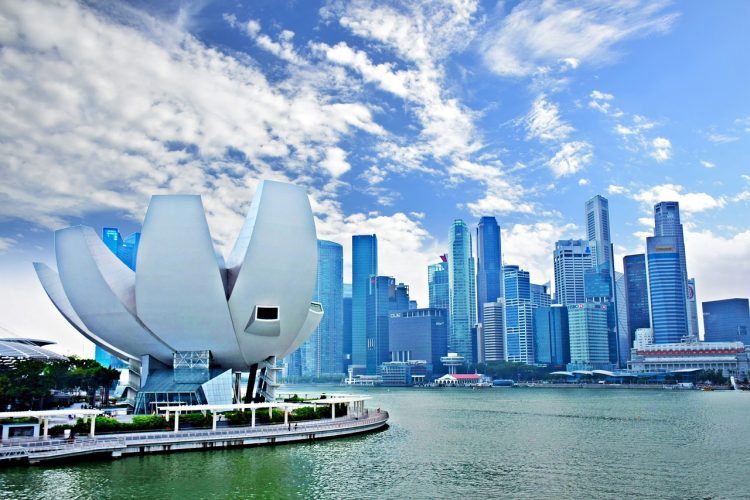
Photo credit: Akenarinc.
On February 9, the 30-member Committee of Future Economy (CFE) released its report on how Singapore can stay competitive in the global economy. The report focuses on the transition into the future economy where people acquire deep skills and are inspired to learn throughout their lives so they can become the “pioneers of the next generation.”
To give an overview of what the CFE recommends for Singapore’s economy, here are the seven strategies proposed by the committee:
- Deepen and diversify international connections
- Acquire and utilize deep skills
- Strengthen enterprise capabilities to innovate and scale up
- Build strong digital capabilities
- Develop a vibrant and connected city of opportunities
- Develop and implement Industry Transformation Maps (ITMs)
- Form partnerships to enable innovation and growth
The country is not unanimous in accepting these recommendations. While many applaud the committee for proactively tackling the issues on maintaining economic sustainability, some think it has not yet adequately addressed the issues that are currently swarming the economy and is focused only on the future. Others believe that many of the proposed strategies were just rehashed from existing policies.
So, are these strategies already in place today? Do these recommendations still have something to offer to propel Singapore into becoming a global fintech leader?
Hits
Under its first strategy, the CFE has recommended setting up a Global Innovation Alliance or GIA to keep pace with the rapid technological growth in Asia. Through this, the committee encourages all local institutions and companies to “link up” with their overseas counterparts in order to form a GIA.
This particular recommendation is a hit because such an alliance has not been effectively put in place yet in Singapore. The current systems of global integration are nebulous at best. Here are some valuable takeaways from the proposed GIA:
Expanding the country’s network in different markets and exposing students to various conducive learning environments throughout Asia
The NUS (National University of Singapore) overseas college has already implemented this by establishing links with the UK, the US, and China. The CFE recommends replicating this strategy across companies and other institutions.
Using the National Service, especially full-time national servicemen, to develop specific skill sets for cybersecurity and data analytics
A recurring concern in the fintech ecosystem is the lack of supply of industry-ready talent to assume niche positions in the industry, especially in areas of cybersecurity and data analytics. Therefore, this particular recommendation can help combat the omnipresent dearth of niche job requirements in fintech.
Setting up “innovation launchpads” where local, as well as foreign startups, can find a common ground to work and tap talent and partners using IHLs (Institutes of Higher Learning)
Following the Fintech Festival last November, banks such as DBS and ANZ have already setup their own “innovation labs” to accelerate innovation in banking institutions. However, they are yet to go global. Take for example ANZ’s innovation lab, ANZ Blue Space. Its current focus is to work with the academia and the government and to tap into Singapore’s fintech industry.
Misses
Do the state of Singapore’s fintech industry and the CFE recommendations complement each other?





Stay updated on the go with our mobile app.
Get latest insights with smoother, more personalized experience through TIA mobile app.