- Insights This article was written by a TIA community member. Insights pieces undergo the same rigorous editorial process that newsroom-produced articles have.
 Edward Tse · · 4 min read
What happened to Xiaomi?
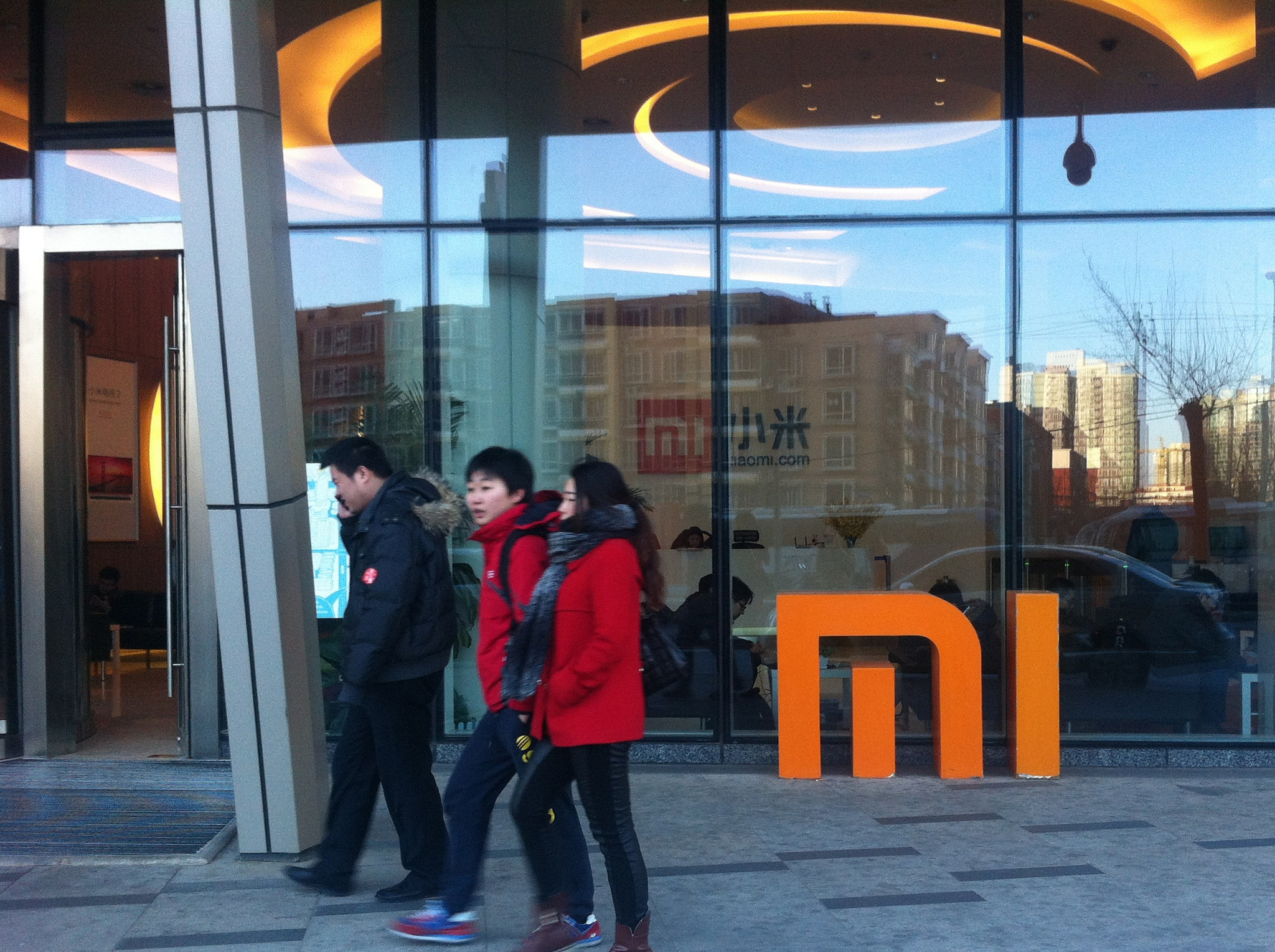
Photo credit: Jon Russell.
Xiaomi, a Chinese electronics company founded in 2010, is often regarded as the Apple of China. It became the world’s most valuable “unicorn” in 2014, with a private valuation of more than US$46 billion.
Though it is best known for low-cost, value-for-money smartphones, Xiaomi is not merely a smartphone manufacturer. It has been aggressively building an ecosystem of smart connected devices, including: smart TVs, air purifiers, sports cameras, VR devices, drones, and even smart rice cookers.
Xiaomi became China’s largest smartphone brand in 2014. It attracted a lot of first-time, young, tech-savvy consumers due to its inexpensive pricing, highly customizable smartphone, and fan-based marketing. It rejected brick and mortar retail stores, traditional distribution channels, and conventional advertising.
Instead, Xiaomi utilized a unique and innovative way to engage its consumers with its “geeky” brand positioning. It leveraged online user communities, social media, flash sales, and online-to-offline (O2O) events which hyped consumer expectations.
The company ensured customer satisfaction by incorporating user feedback to make frequent software and features updates. As a result, Xiaomi created a sticky fan base, known as “Mi-fans.”
However, it didn’t take long before Xiaomi’s sales began to slow down. Its sales dropped by 5 percent in Q1 of 2016 and 38 percent in Q2 of the same year.
It also fell out of the global top 5 brands in terms of smartphone sales. So what exactly happened?
Reasons behind recent struggles
Xiaomi’s mission statement is to offer affordable smart devices so people can enjoy the benefits of technology and connectivity at a lower price.
However, Xiaomi’s core initial customers now have a desire for more premium products. Despite clear evidence that Chinese customers are willing to trade up, the company continues to focus on the budget end of the market.
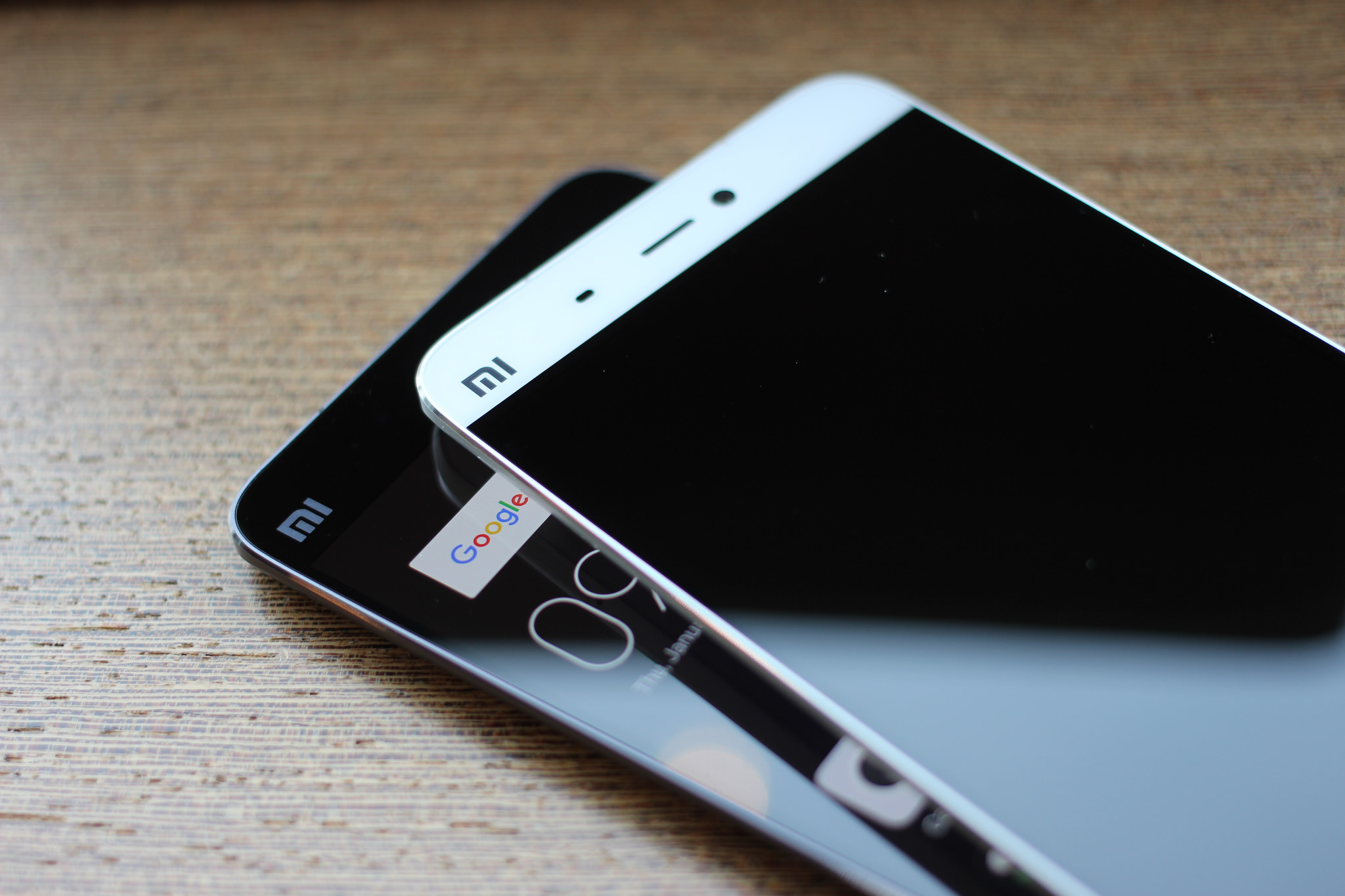
Photo credit: Maurizio Pesce.
Xiaomi has also been focused on its young, tech-savvy consumers, marketing heavily through social media and online word-of-mouth. Consequently, its marketing efforts do not reach beyond its core fan base.
In addition, the majority of its customers are not devout Mi-fans. They buy its products based on their value without really embracing Xiaomi’s ecosystem. The company’s limited content has also failed to make return customers.
What did other Chinese players do?
Implications to Xiaomi and beyond





Stay updated on the go with our mobile app.
Get latest insights with smoother, more personalized experience through TIA mobile app.













📅 Upcoming Events
22 October 2026
Payoneer x CSPN Summit 2026