- Insights This article was written by a TIA community member. Insights pieces undergo the same rigorous editorial process that newsroom-produced articles have.
 Cheryl Goh · · 4 min read
How Grab grew from 40 to 630,000 drivers
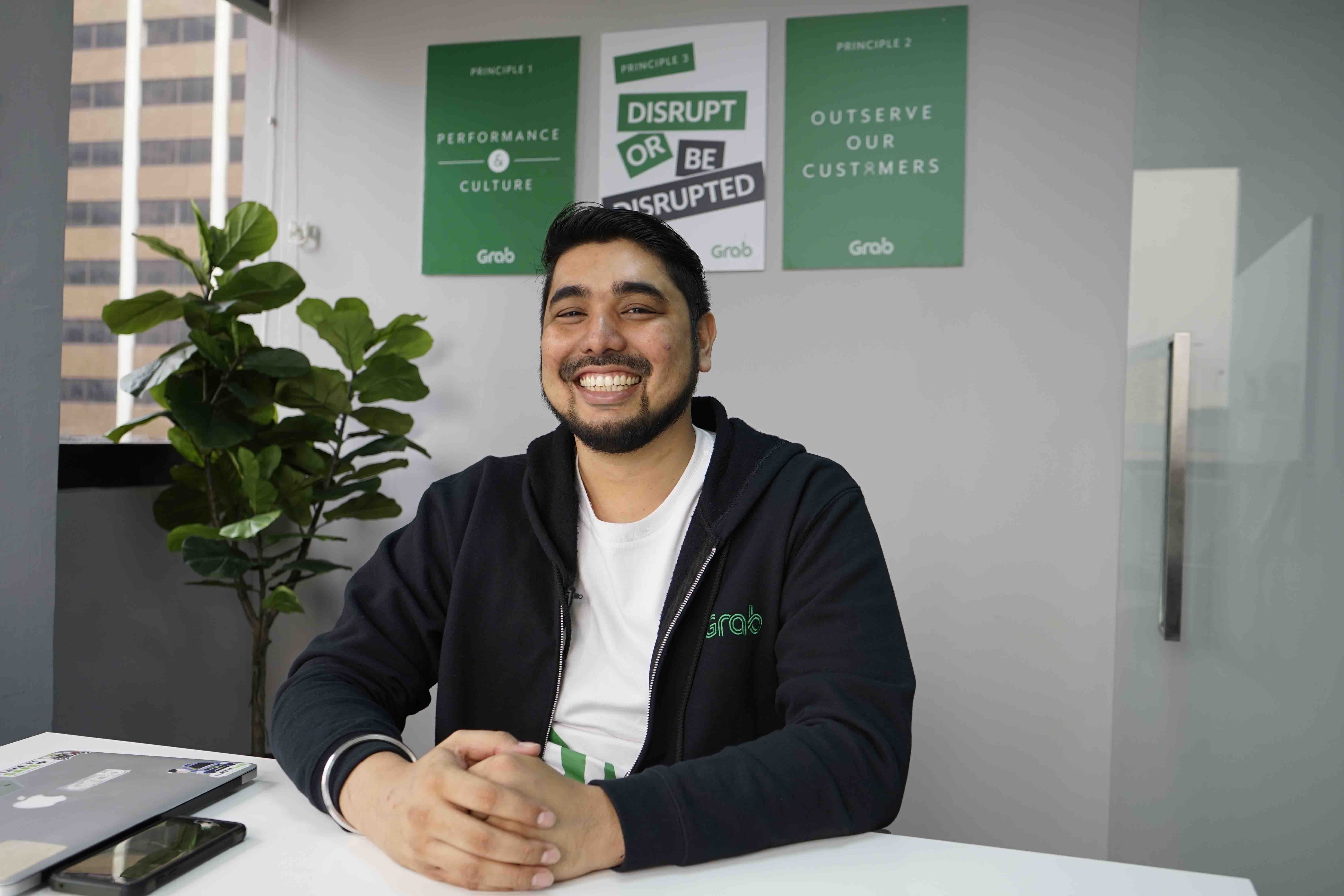
Grab’s head of business solutions, Aaron Gill. Photo credit: Grab.
In this interview series, we share insights from Grab’s founding members who talk about their experience building up one of Southeast Asia’s most popular ride-hailing apps. This week, our head of business solutions Aaron Gill shares how we expanded our network of drivers from 40 to over 630,000. He also offers some takeaways for other early startups.
According to Aaron, “Grab now has a network of over 630,000 drivers across six countries in Southeast Asia. But our beginnings were decidedly humble.”
“Back in 2011, we had no grand ambitions of being a unicorn. All we wanted was to fix the taxi problem in Kuala Lumpur,” he said.
In the past, commuters in Kuala Lumpur would phone in taxi call centers. A dispatcher would manually find and assign a driver in a process that could drag on for half an hour.
There were also rumors—never verified—of dispatchers awarding rides in return for kickbacks, upsetting honest cabbies.
“We saw this and thought we could obviously make an improvement. We could shave waiting times for passengers and help drivers earn a fair wage,” says Aaron.
That was the genesis of Grab (then called MyTeksi). Aaron joined the founding team—which comprised of co-founders Anthony Tan and Tan Hooi Ling—overseeing product and tech development.
Getting drivers onboard
Right off the bat, the team faced a challenge: Grab needed taxi drivers onboard its ride-matching platform, but most drivers in Malaysia didn’t even own smartphones. In Aaron’s words, “Convincing them to buy one was a huge leap.”
By working with a local taxi service provider, Grab found 40 cabbies willing to throw in their lot with the unknown startup.
WhatsApp was an alien concept to the drivers which meant face time was critical. The team set up fortnightly teh tarik or coffee sessions to gather feedback.
“These early adopters had faith in us because they felt it was time for a change. They liked that the decision would be made by a machine, not a person. It seemed fairer,” Aaron said.
Vocal critics, vocal champions
But having invested in a new tool, Grab’s first 40 drivers had high expectations.
Aaron recalls drivers sitting side-by-side in coffee shops waiting for jobs to come in. One would get a notification, but due to the speed of the network, it would take a few more seconds for the other drivers to receive the same job.
Raising the bar
The human touch
3 takeaways for growing a young business





Stay updated on the go with our mobile app.
Get latest insights with smoother, more personalized experience through TIA mobile app.