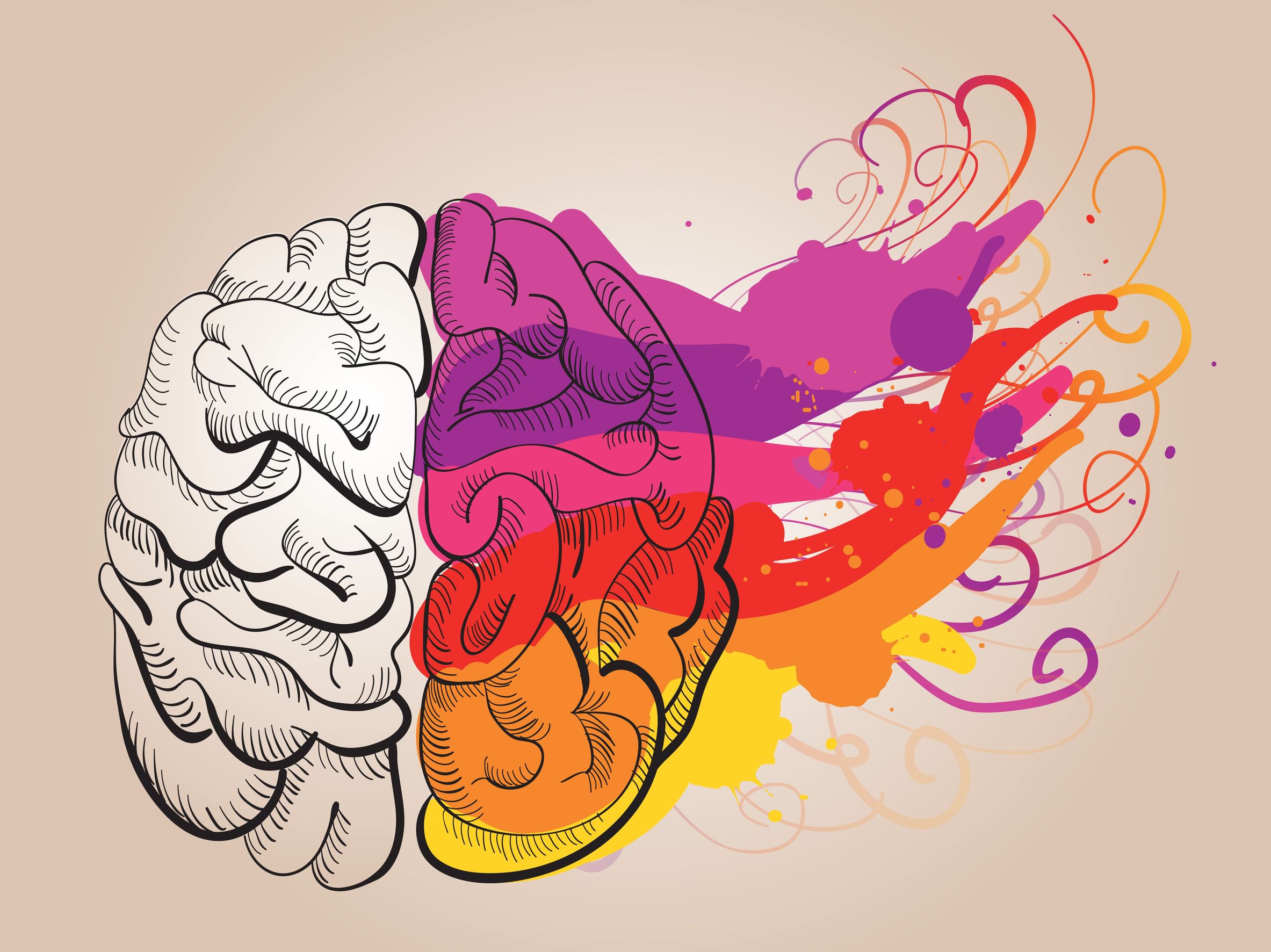
Photo credit: venimo / 123RF Stock Photo.
As I write this, I’m sitting in a small conference room on the second floor of an office building. The view from the windows is a paved courtyard roughly 7 meters from the building with some tables, chairs, and well-manicured landscaping. I can see that the sun is shining, and it looks like a lovely day. Based on that data, should I go work outdoors? Consider your answer, and we’ll come back to the question later.
If you are a designer, engineer, or in any role that creates things, you probably hear a lot about big data and being data-driven. The assumption is that data equals insight and direction. But does it? Any data in any amount brings problems that make it very dangerous to rely on alone. Let’s consider a few of them:
- Data is just information and does not represent objective reality alone.
- Whatever data you have is never, ever complete.
- Getting more data does not necessarily mean more clarity.
Let’s look at these in more detail.
The problem of data
Data is not reality
Humans are great at making decisions based on their context and history. But we’re pretty bad at seeing the possibilities beyond that. Read the text below, for example:

If you read “What are you reading now?” you did what many English readers would do with the same data. You’re able to read something meaningful by taking both the context of this article and your history with the English language and filling in the blanks. The fact that I asked you to read the sentence may also have made you see the word reading in the letters. That priming helped determine the outcome.
Not everyone reads it the same way, however. If you were munching on something or sitting in a restaurant, you might just as easily have read “What are you eating now?” And for anyone who doesn’t read English, the letters would be what they really are—gibberish. The point here is that how data is processed is highly contextualized by the individual processing it. Often, we will come to the same conclusions based on our shared history or context, but just as often we can come to different conclusions from the exact same data for the same reasons.
All data is missing something
Small data, big data—it doesn’t matter. All data is incomplete at some level. To demonstrate, let’s imagine that you’re constructing a software product and are creating a profile of your intended customer. You create a persona named Linda from data you collected.
Linda is:
Techniques to approach data
Being creative in a data-rich world





Stay updated on the go with our mobile app.
Get latest insights with smoother, more personalized experience through TIA mobile app.













📅 Upcoming Events
22 October 2026
Payoneer x CSPN Summit 2026