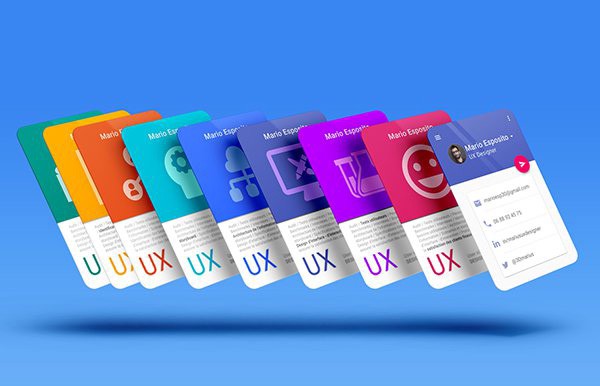
Photo credit: Materialup
Web and mobile apps move away from pages, towards completely personalized experiences. And this experience builds on an aggregation of many individual pieces of content. Cards are the new creative concept.
Regardless of how you feel about the concept, cards are here to stay.
What are cards?
Cards are those little rectangles full of inclusive images and text that serve as entry points to more detailed information. They become almost a default option when it comes to balancing UI aesthetics with good usability. Cards are a convenient means of displaying content composed of different elements.

Example of a card. Photo credit: Material Design
Excellent metaphors
The use of cards in the UI is an excellent metaphor, since they look like real-world tangible cards. Before mobile devices, they were always all around us — business cards, baseball cards, playing cards and so forth. Cards are an interaction model that are spreading pretty widely, in fact. Thus, it is more intuitive for users to know that these cards are representing piece of content just like in real life.
Cards are a great tool for communicating quick stories. Baseball card is a good example from real-life objects. The basic information you needed to know about a player is contained on both sides of a small card.
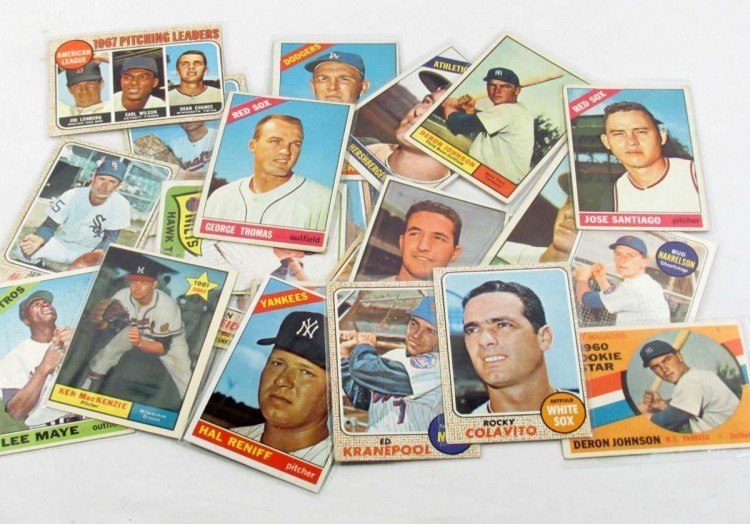
Each card representing a player. Photo credit: liveauctiongroup
Content organization
Cards divide content into meaningful sections which occupies less screen space. Similar to the way text paragraphs group sentences into distinct sections, cards can gather various pieces of information to form one coherent piece of content.

How to design a card
Card advantages
When to use?
When not to use
Conclusion





Stay updated on the go with our mobile app.
Get latest insights with smoother, more personalized experience through TIA mobile app.












📅 Upcoming Events
22 October 2026
Payoneer x CSPN Summit 2026