- Insights This article was written by a TIA community member. Insights pieces undergo the same rigorous editorial process that newsroom-produced articles have.
 Highmore Chen · · 3 min read
6 things you need to know to make international shipping less risky
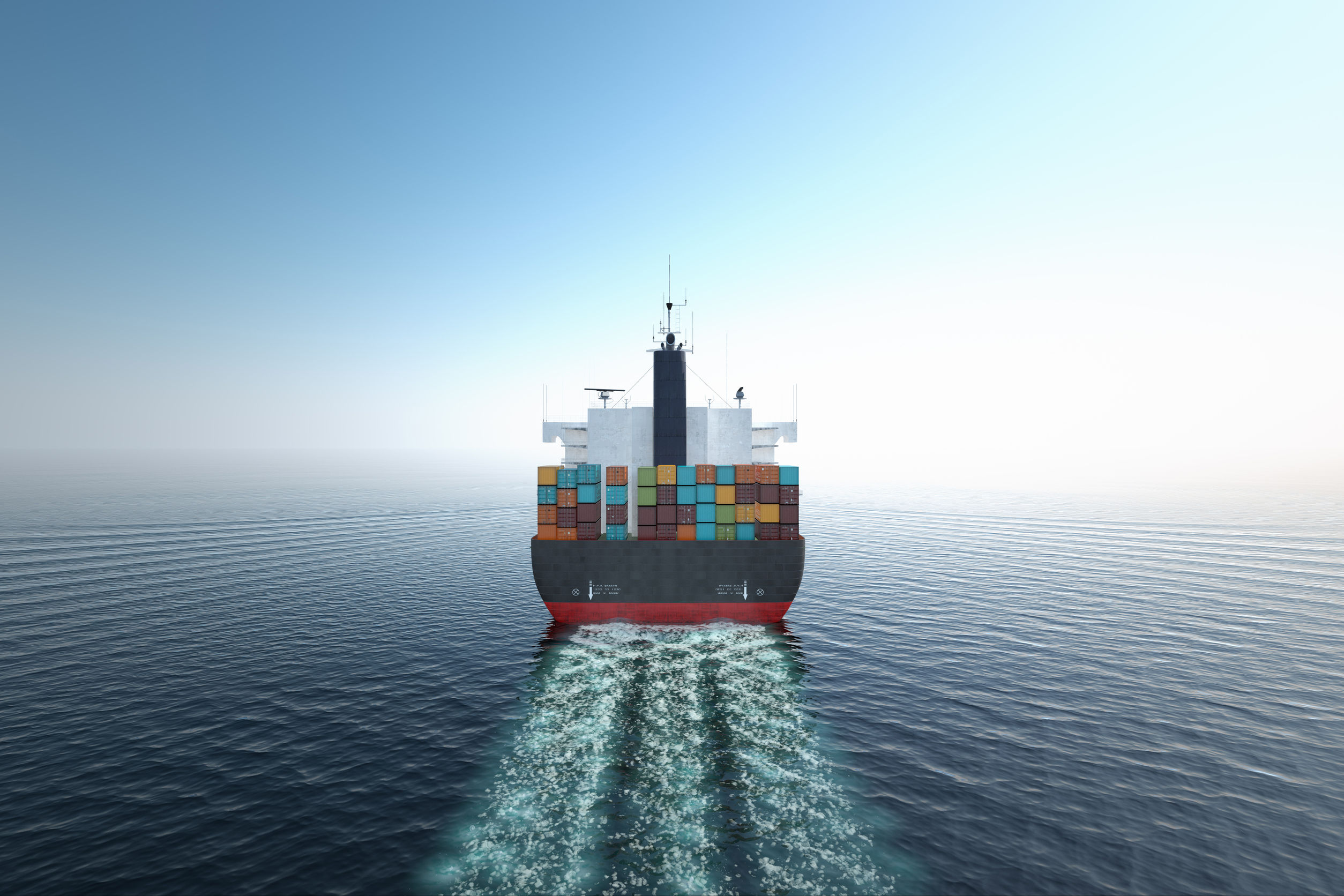
Photo credit: 3dmentat / 123RF Stock Photo.
As ecommerce develops, so does cross-border business. Nowadays, people in Jamaica can purchase a MacBook from the United States and people in the US can buy latiao, a Chinese popular snack food, from China. (Well, what can I say? Who doesn’t like spicy sticks?)
All this is possible thanks to the rapid development of international shipping.
Cross-border trading has always had high profits and high risks. Buyers are always willing to pay more for exotic merchandise but these have to travel across land and sea to get to them. In this regard, international shipping can make or break your business.
You must play the game of international shipping. There is no another way. However, here are a few things to keep in mind that will make cross-border business a lot less risky.
Country regulation
Ever heard the expression, “When in Rome, do as the Romans do”? Before you decide to export to other countries, the first thing you need is to find out what you can and cannot ship. When you export to Brazil, for example, electronic cigarettes are prohibited. Such information can be found on UPS’s website.
After you get a general idea, do consult with the carrier of your choice to get more details.
Insurance
If you think shipping across land and sea isn’t that risky, picture your goods being loaded and unloaded by people from different countries who may not understand each other completely. A small mistake in the process could lead your merchandise astray and destroy the relationship you were trying to maintain with your overseas customers.
Although shipping carriers are usually reliable, their general maximum liability is limited to US$100 per shipment unless a higher value is declared. Why worry and take the risk of a total loss of profit when you can purchase insurance for half the price?
Transit times
You have made a deal with your customer to make a specific deadline. However, it is important to know that transit times vary with each carrier.
Certain elements like customs clearance or local holidays must be taken into consideration so you can decide which service you need to use (economy or priority). Incomplete customs documentations and the local holiday season will delay your shipment. Try to avoid both.
Here you can find holidays and observances around the world.
AES filing requirements
When you plan to export merchandise valued over US$2,500 to other countries — Canada excluded — watch out for the U.S. Foreign Trade Regulations (FTR). This requires you to file your export information electronically through the Automated Export System (AES).
The consequences of failing to file your information or filing them incorrectly could be catastrophic. One consequence could be the seizure of your shipment by the U.S Customs and Border Protection. Every exporter knows well that whenever the CBP is involved, trouble follows.
Commercial invoice
Customs clearance





Stay updated on the go with our mobile app.
Get latest insights with smoother, more personalized experience through TIA mobile app.











📅 Upcoming Events
22 October 2026
Payoneer x CSPN Summit 2026