 Andrew P. Rowan · · 4 min read
Opinion: 4 things that are making Vietnam’s startup future brighter
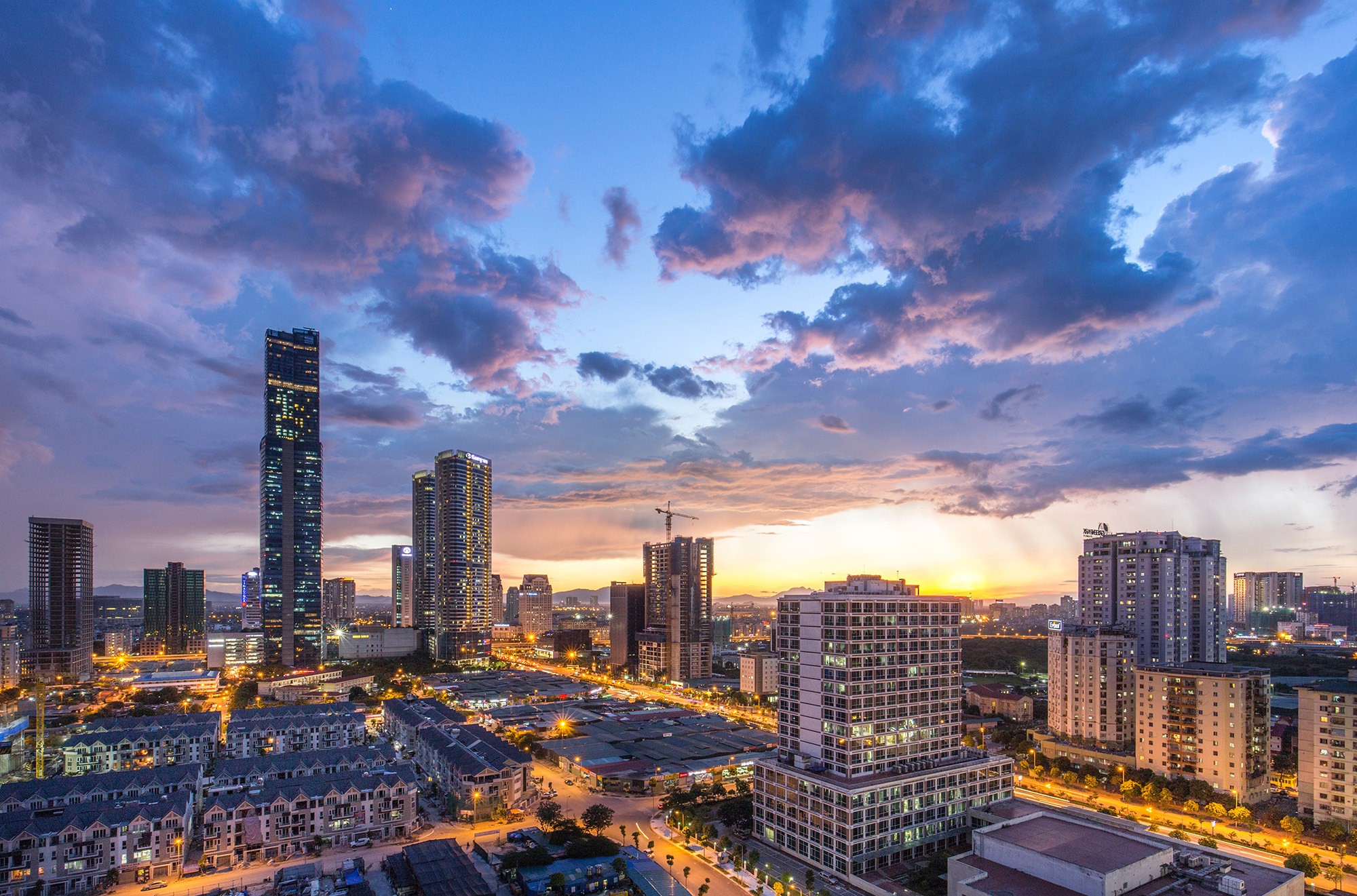
Photo credit: Luu Quang Minh.
The following is an edited excerpt from the book Startup Vietnam: Innovation and Entrepreneurship in the Socialist Republic.
Vietnam’s advantageous place in the hyper global economy of the future isn’t assured—not by a long shot. But the country has a strong potential to make its mark in the world.
The country’s greatest strength, its human capital, has thus far leveraged the benefits of globalization via low-wage manufacturing and the low cost of mobile computing, complemented by increasing access to the internet. But this manufacturing and outsourcing model is reaching its limits. So, Vietnamese entrepreneurs and companies must find new ways to create, add value, and move up the value chain at home and abroad to remain competitive in the global economy. Whether or not this happens largely relies on the foresight, vision, and commitment of leaders in both public and private sectors.
International education for its youth
The youth have embraced international education experiences and the latest cultural trends from South Korea, Japan, and the United States. Presently, there are more than 130,000 Vietnamese students studying at institutions of higher education outside of Vietnam (mostly in Japan and Australia) at a collective price tag of over US$1 billion.
These young Vietnamese are bright, optimistic about the future, talented, eager to learn, and focused on improving their socioeconomic conditions. This current generation may unlock the full potential of Vietnam’s human capital resources, as they understand both local and international norms and seamlessly transition between them.
These graduates are interested in working with and learning new techniques, best practices, and new skills from foreigners and are candid about the challenges ahead for today’s Vietnam, having witnessed the visions of other societies in relation to their own. These are largely positive signs—especially the attitude toward daunting and unknown challenges—because not everyone is positively impacted by globalization.
An engineering nation
With more than 100,000 engineers produced in Vietnam per year, Vietnam has a competitive advantage that places it in the top 10 countries for engineering output. It would stand to reason that some of these engineers would go on to found companies and become incredibly successful in the process.
According to a 2015 policy brief by the Progressive Policy Institute (PPI), these engineers are fueling Vietnam’s “app economy.” It declared that Vietnam has “the top-rated app economy in Southeast Asia (including Singapore, Indonesia, Malaysia, Thailand, and the Philippines).”
This advantage may enable Vietnam to grow its economy on the creation of apps by keeping Vietnamese employed or by developing homegrown intellectual properties, which offer greater value than outsourcing projects. It’s less capital-intensive to become an app hub than a manufacturing hub, after all. Thus, according to the PPI, Vietnam may be in the “early stages of a virtuous cycle,” where the demand for app economy personnel leads to more workers getting app development training.
Fast-growing economy
Looking ahead to the midpoint of the 21st century, a recent PwC report identified Vietnam as potentially one of the three fastest-growing countries in economic terms (along with India and Bangladesh) between 2017 and 2050. By 2030, Vietnam is expected to be a top-30 economy, valued at US$1.3 trillion, up from approximately US$595 billion today (on a purchasing power parity).
Moreover, Vietnam ranked 47th out of 127 economies (and third in ASEAN behind Singapore and Malaysia, respectively) with a score of 38.3 in the Global Innovation Index (GII), published by Cornell University, INSEAD, and the World Intellectual Property Organization.
The country also has some of the fastest-growing cities in the world. Ho Chi Minh City, with a population of 7.3 million in 2015, is the fourth largest city in Southeast Asia behind Manila, Jakarta, and Bangkok, respectively. And the population is still predicted to increase to 9.2 million by 2025.
According to the United Nations World Urbanization Prospects, Hanoi is also expected to increase its population from 3.6 million in 2015 to five million in 2025. Vietnamese cities such as Can Tho, Bien Hoa, Hai Phong, and Da Nang will all experience double-digit population increases by 2025 as well.
Robust internet and smartphone usage
Conclusion





Stay updated on the go with our mobile app.
Get latest insights with smoother, more personalized experience through TIA mobile app.












📅 Upcoming Events
22 October 2026
Payoneer x CSPN Summit 2026