Jum Balea · · 5 min read
Battery startup finds clever way to make electric vehicles cheaper for emerging markets
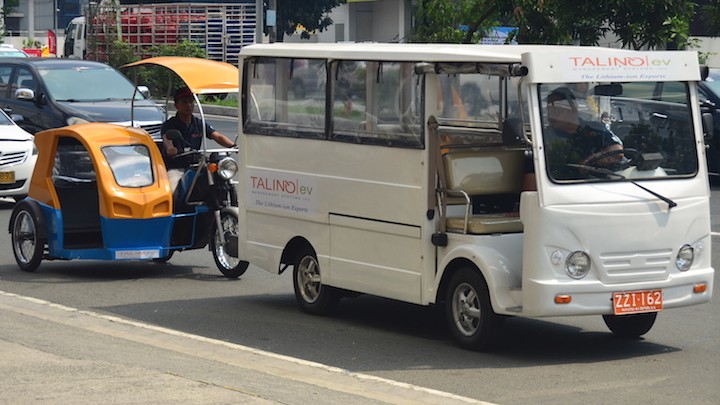
Many factors make electric vehicles (EVs) an exciting alternative to gasoline-powered ones, including long-term savings and the environmental benefits. Still, there are challenges to widespread adoption, the biggest of which is the higher upfront purchase cost of EVs.
It’s what industry players call the “premium for being green.” This upfront cost is largely attributed to an EV’s most critical component: its battery.
US-based startup TalinoEV, which operates mainly in the Philippines, is working with EV manufacturers to cut the cost of their products by about half to equal that of gasoline-powered models.
Co-founders Marc Ira and Henry Abreu, both Filipinos, developed “smartpacks” – composed of an efficient lithium-ion battery and a battery management system – that function as the “brains” of EVs.
“TalinoEV believes there is an opportunity to rethink the approach to electric vehicles for the developing world. The founders thought that developing markets would not be able to afford EVs because of higher costs compared to gasoline-powered vehicles. Thus, the idea was to lower the upfront cost by using smart, digital technologies,” Ira tells Tech in Asia.
Pay-as-you-drive
But how? Ira explains that some manufacturers in the Philippines will sell models with TalinoEV smartpacks (but he declined to reveal any brands which have signed up for this). So people who purchase one of those EVs are essentially paying for the special battery on a “per-use” basis – that’s why the vehicle comes a lot cheaper.
“We provide the drip payment system that allows paying in a manner very familiar to Asians – tingi or sachet payments,” says Ira.
He likens the technology to cell phones. You charge your phone by plugging it, like you charge your EV with electricity at charging stations. However, like your phone, which needs credit to make a call or text, your EV also needs credit to run.
“You can charge your phone all you want overnight. If in the morning you want to make a call, and you didn’t load it with credit, you cannot make a call. The phone restricts the discharge of the call. In the same manner, an EV with our brains will restrict the discharge of energy of the battery until you pay for the ability to discharge the energy.”
And like your phone, an EV driver can buy credit for his ewallet from “eloaders” much like phone prepaid card sellers.
These daily credit payments, along with what the driver pays for electricity for his EV, should cost less than the usual expenses for operating regular vehicles, Ira claims.
He explains TalinoEV’s drip payment method amortizes the cost of the battery over time, lowering the upfront cost of an EV. He believes this will help jumpstart EV sales.





Stay updated on the go with our mobile app.
Get latest insights with smoother, more personalized experience through TIA mobile app.