Steven Millward · · 2 min read
In China, laid-off coal miners turn to the Uber economy
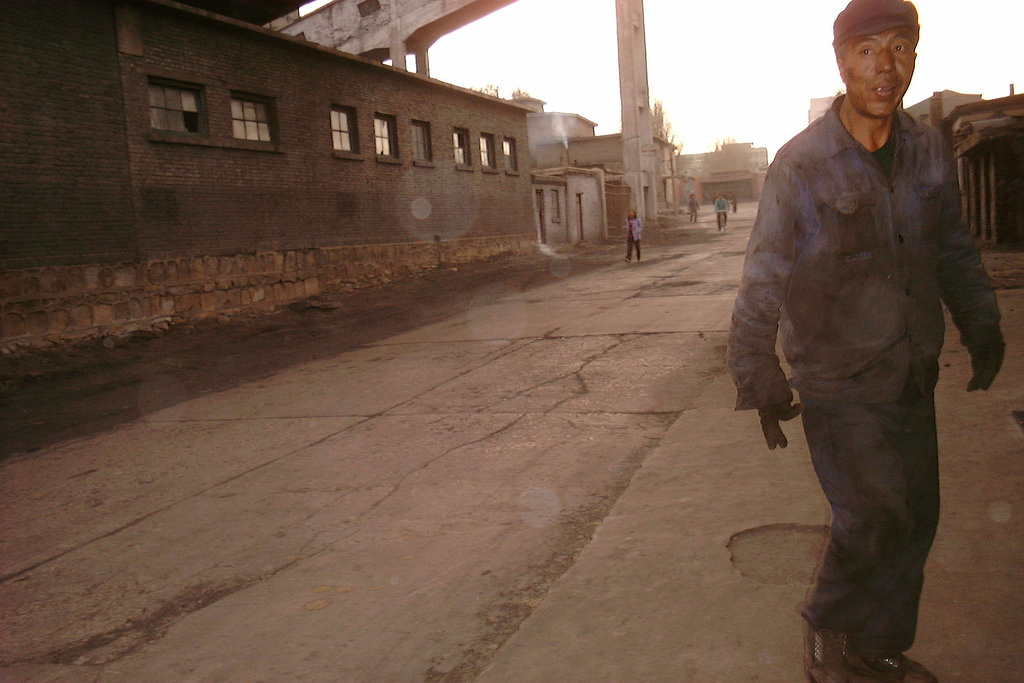
A Chinese miner. Photo credit: Lhoon.
As coal becomes less profitable, whole communities in China – entire towns and dusty cities, even – face upheaval with tens of thousands of people losing their mining jobs. The country, partly in a drive to reform state-owned companies, will soon lay off 1.3 million workers in the coal industry and 500,000 in steel.
While many might opt for farming or retraining for other manual work, a number of former coal miners and others booted out of heavy-industry jobs are turning to the Uber economy. Driving holds a particular appeal.
85 percent of them do it part-time.
The country’s top ride-hailing app, Didi Chuxing, has about one million drivers who “were former employees in heavy industrial sectors undergoing restructuring programs,” says the well-funded startup that’s battling Uber across China.
Of those freelance drivers, 530,000 are from coal and steel jobs.
Didi has a grand total of 15 million signed-up drivers in more than 400 cities across China.
Shifting gear
But driving for an app company is no easy solution to the challenge of finding a new job with few marketable skills. 85 percent of the former heavy-industry workers are part-time drivers for Didi, so they’re turning to other jobs as well to bring in income.
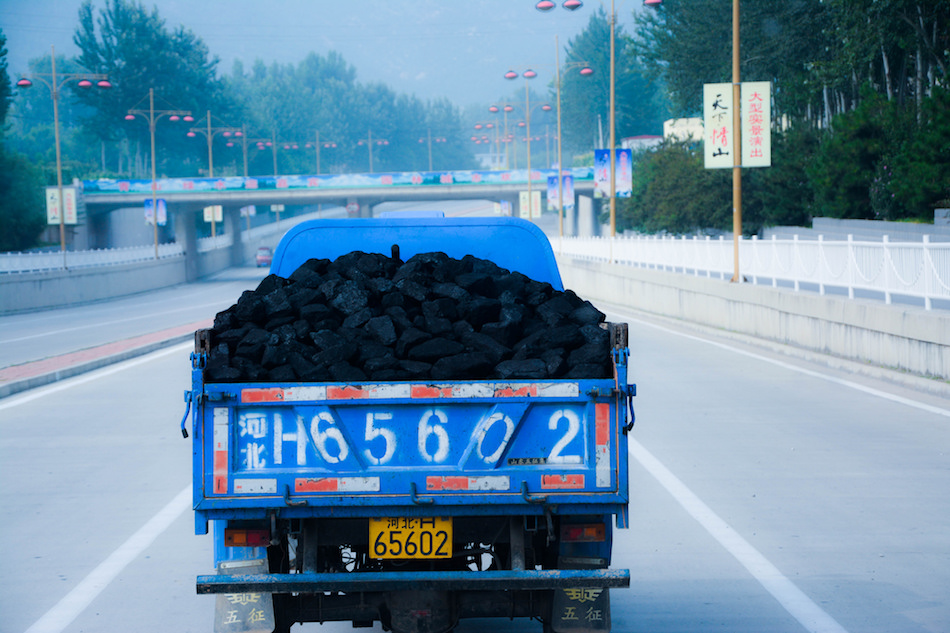
A small truck in China’s Hebei province transports coal. Photo credit: Han Jun Zeng.
Of those who drive full-time, 80 percent “earn more than or an amount equivalent to their original income by driving on Didi’s platform,” states the company today. That net income covers gasoline and car maintenance costs – but not the original cost of the vehicle. And there are no benefits like a retirement plan or health care.
As studies in the US have shown, it’s tough making a living from driving for the likes of Uber and Lyft. In some US cities, Uber drivers “don’t take home much more than service workers at major chains like Walmart when it comes to net pay,” wrote Buzzfeed last month on the basis of “leaked internal price modeling data.”
There’s no similar, impartial data available for Uber and Didi drivers in China.
As China moves away from heavy and polluting industries, driving for a ride-hailing app is just one of several ways to scratch out a living. It’s another day at the coalface.





Stay updated on the go with our mobile app.
Get latest insights with smoother, more personalized experience through TIA mobile app.