 A study showed that giving consumers too many choices might not be a good idea. While extensive (many) choices have proven to be appealing initially, they undermine the subsequent satisfaction and motivation of choice-makers.
With these findings, what should companies or marketers do when it comes to promoting products and deciding how many choices to provide to consumers?
Find the optimal choice set
More choices does not equate to more sales anymore. Marketing research must be done to understand consumers’ preference for more or less choices.
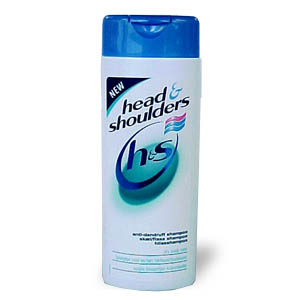
Also, monitoring sales carefully when increasing or decreasing variety can also help. When Procter and Gamble decreased their versions of Head & Shoulders shampoo from 26 to 15, sales increased by 10%.
Always start with many choices and slash it after
 Always offer or appear to offer a wide range of choices to first attract consumers’ attention and then narrow down their set of possible alternatives.
Get sales people to recommend just 2 to 3 alternatives to customers, or provide adequate information on packaging to let them know the few alternatives that would suit their needs best.
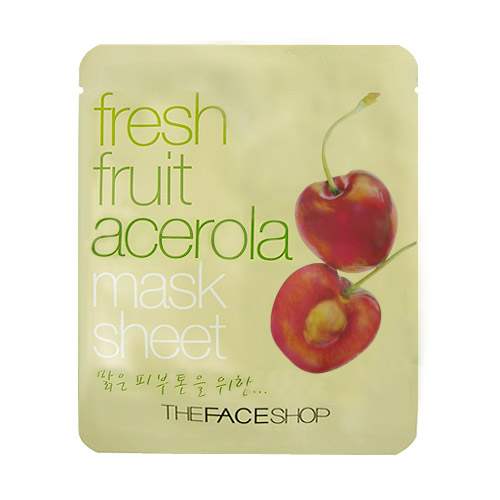
For example, The Face Shop sells facials masks, and on the shelves you will find the functions of each available mask (Hydrating, Soothes inflammation, Collagen etc.). Some masks have multiple benefits and different scents, consumers can quickly eliminate those that don’t fulfill their needs and are left with a few alternatives to choose from.
This would not reduce their initial enjoyment (many choices) and at the same time, increase choice satisfaction and decrease future regret.





Stay updated on the go with our mobile app.
Get latest insights with smoother, more personalized experience through TIA mobile app.