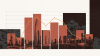
China’s ride-hailing wars are officially on. Homegrown giant Didi Kuaidi dominates the business of hailing taxis in China, but American-import Uber has been making waves – both in business and legal circles – with its peer-to-peer rides model.
Didi Kuaidi released a private-driver function similar (i.e. identical) to Uber’s earlier this year, and since then, the two companies have been duking it out. One on hand, both companies have faced city-wide bans and friction from authorities. On the other, each company’s war chest has ballooned since the battles began, with billions raised in the last few months alone.
To help make sense of the brands, the bans, and the billions, we’ve composed this handy infographic.
Update
Since posting this article, Didi Kuaidi has reached out to Tech in Asia with clarifications about their user statistics. According to statistics by the Chinese firms Analysis International and I-Research, Didi Kuaidi has an 80 percent market share in the private car-hailing market and a 40 percent share in the chauffeur market.
Information on its peer-to-peer service still varies much by city, though, as some (like Shanghai) have been much more accepting of it than others (like Beijing).

Editing by Steven Millward, infographic designed by Andre Gunawan
(And yes, we’re serious about ethics and transparency. More information here.)





Stay updated on the go with our mobile app.
Get latest insights with smoother, more personalized experience through TIA mobile app.